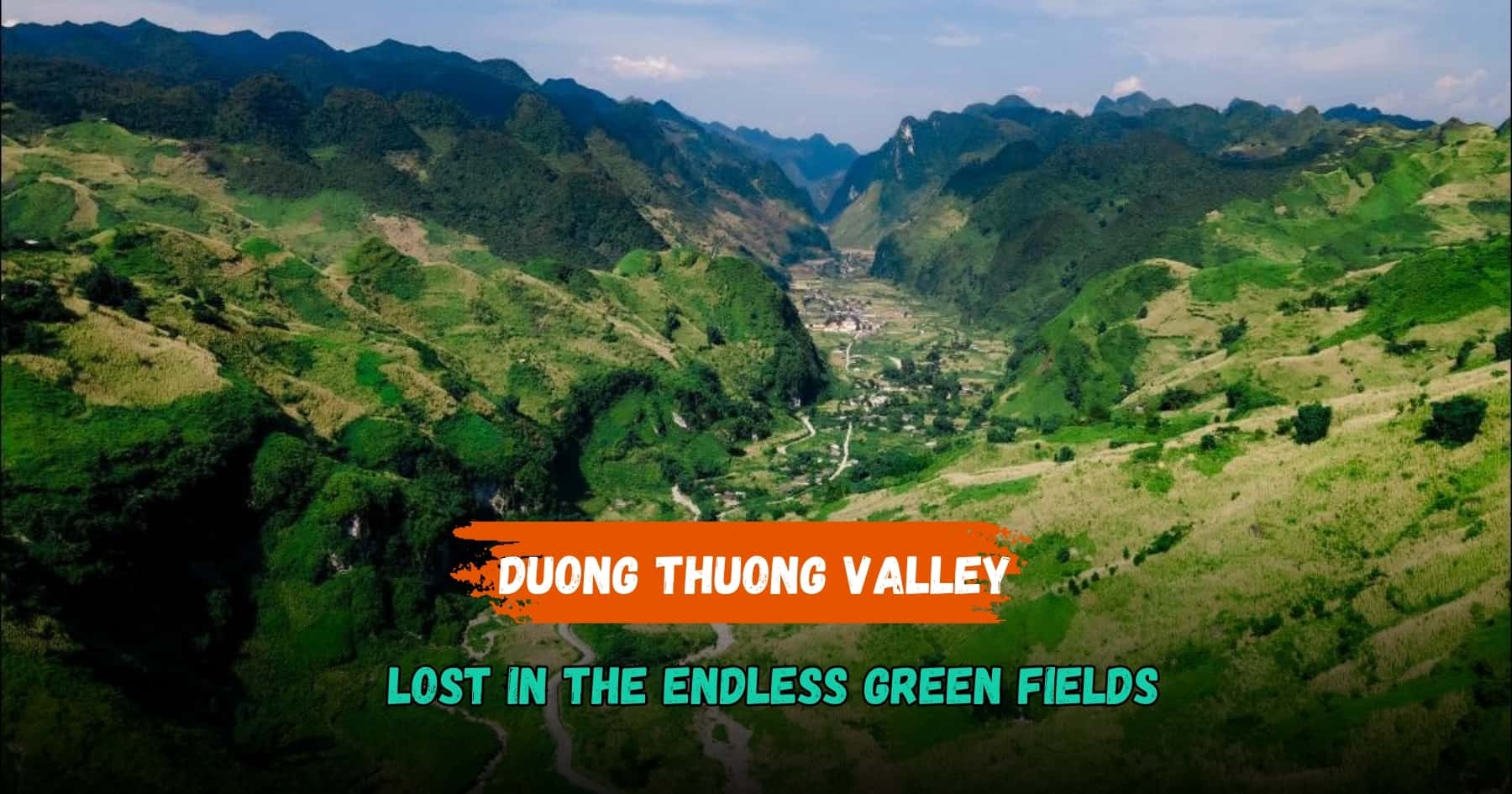


The best time to visit the Ha Giang Loop is from September to April, when cool, dry weather makes riding through the winding mountain passes a breeze.
With over 8 years of guiding travelers through these mountains, we can tell you one thing: Ha Giang is breathtaking in every season.
Spring brings blooming peach blossoms and colorful local festivals, while summer covers the region in glistening, water-filled rice terraces. Autumn shines with golden harvests and pink buckwheat flowers, while winter wraps the peaks in misty mornings and crisp mountain air.
In this guide, Lila Inn & Tours breaks down Ha Giang’s weather season by season so you can pick the perfect time for your adventure.
Best time of year to visit Ha Giang Loop
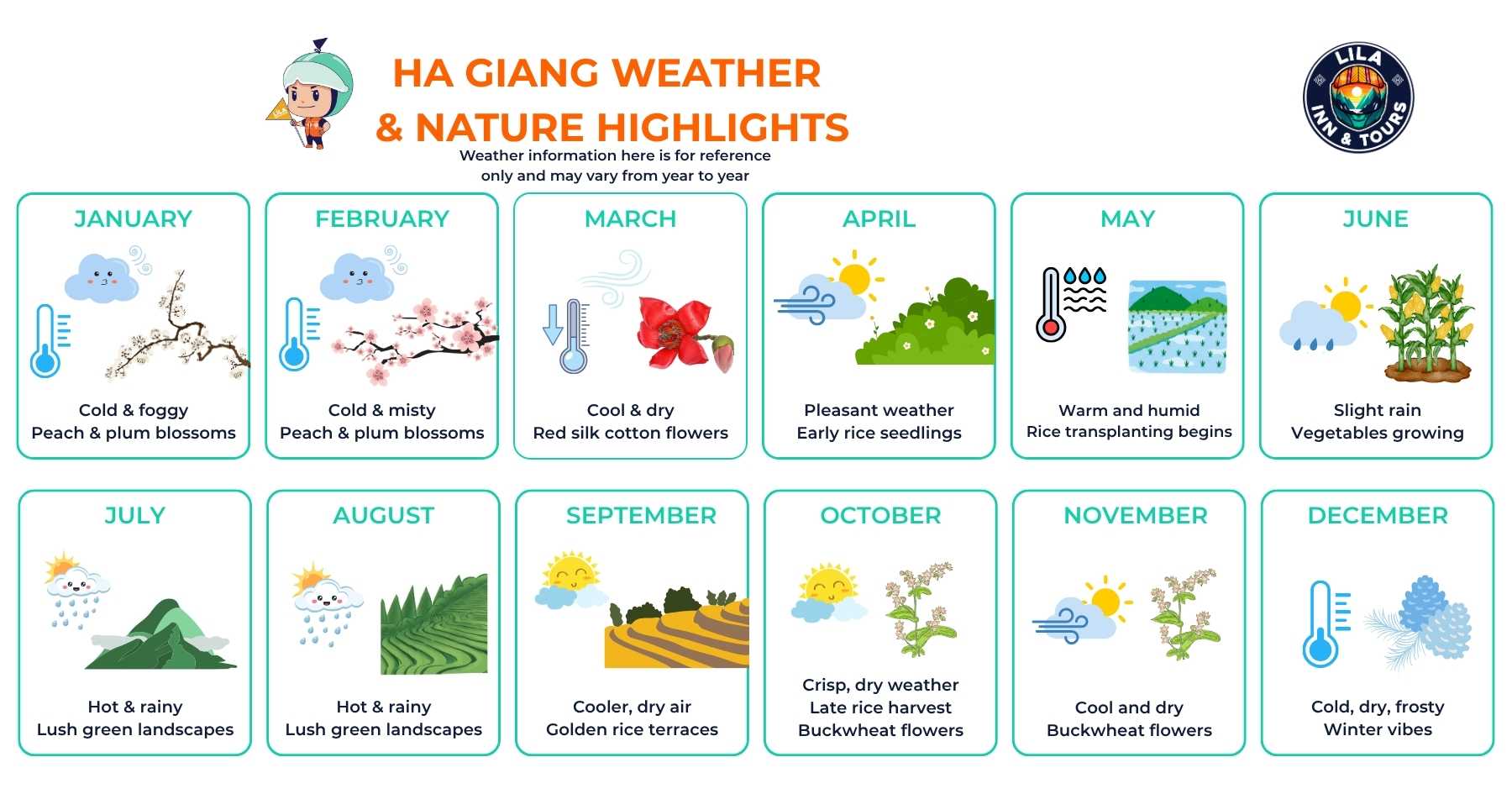
Based on our years as a local tour operator, the best time to ride the Ha Giang Loop is from September to April, the region’s dry season.
During these months, you’ll enjoy pleasant, sunny days with temperatures between 15°C and 25°C, followed by cool, crisp evenings. Less rain means dry roads, clear blue skies, and optimal conditions for navigating the mountain passes, all while Ha Giang displays its most captivating scenery.
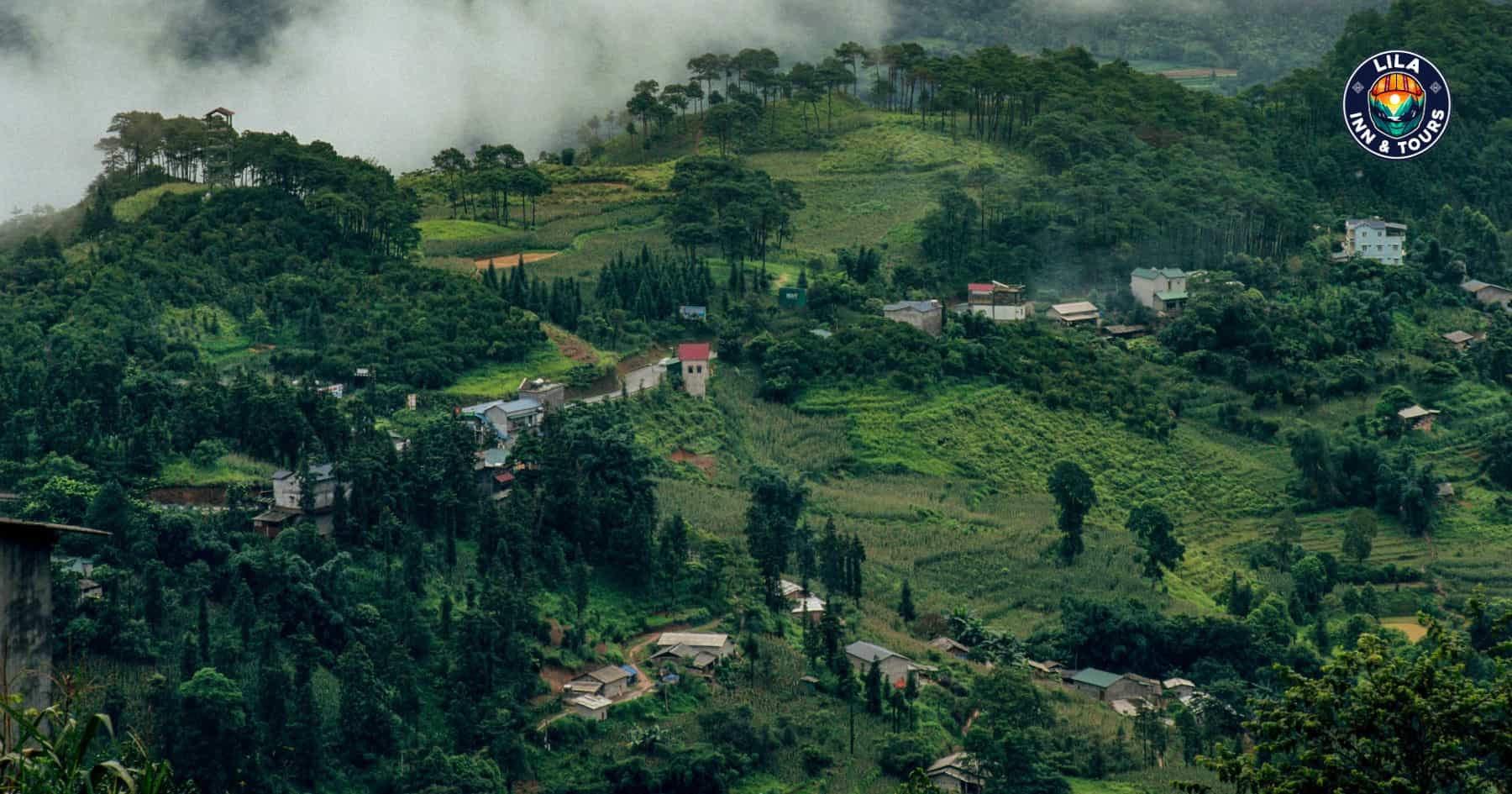
September and October kick off the season with golden rice terraces glowing under the sun. By November, the famous buckwheat flowers cover the mountainsides in soft shades of pink and purple. As spring arrives in March and April, delicate peach and plum blossoms transform the valleys into a dreamy, romantic landscape.
It’s no surprise that during these months, we welcome over 1,500 travelers on the loop, the highest number of the year!
Ha Giang Loop weather (4 Seasons)
Ha Giang Loop winds through the northern highlands of Vietnam, transforming dramatically across four distinct seasons: Spring, Summer, Autumn, and Winter.
Each season brings its own unique character, blending shifting weather and landscapes with seasonal flavors and vibrant local culture. Understanding these changes helps you pick the perfect time for your journey and pack with confidence.
Spring (February – April) | Good weather, new year, & flower blossoms
Average temperature: 15°C to 25°C
Climate Patterns: cool with little rainfall
Scenery: white and pink blossoms
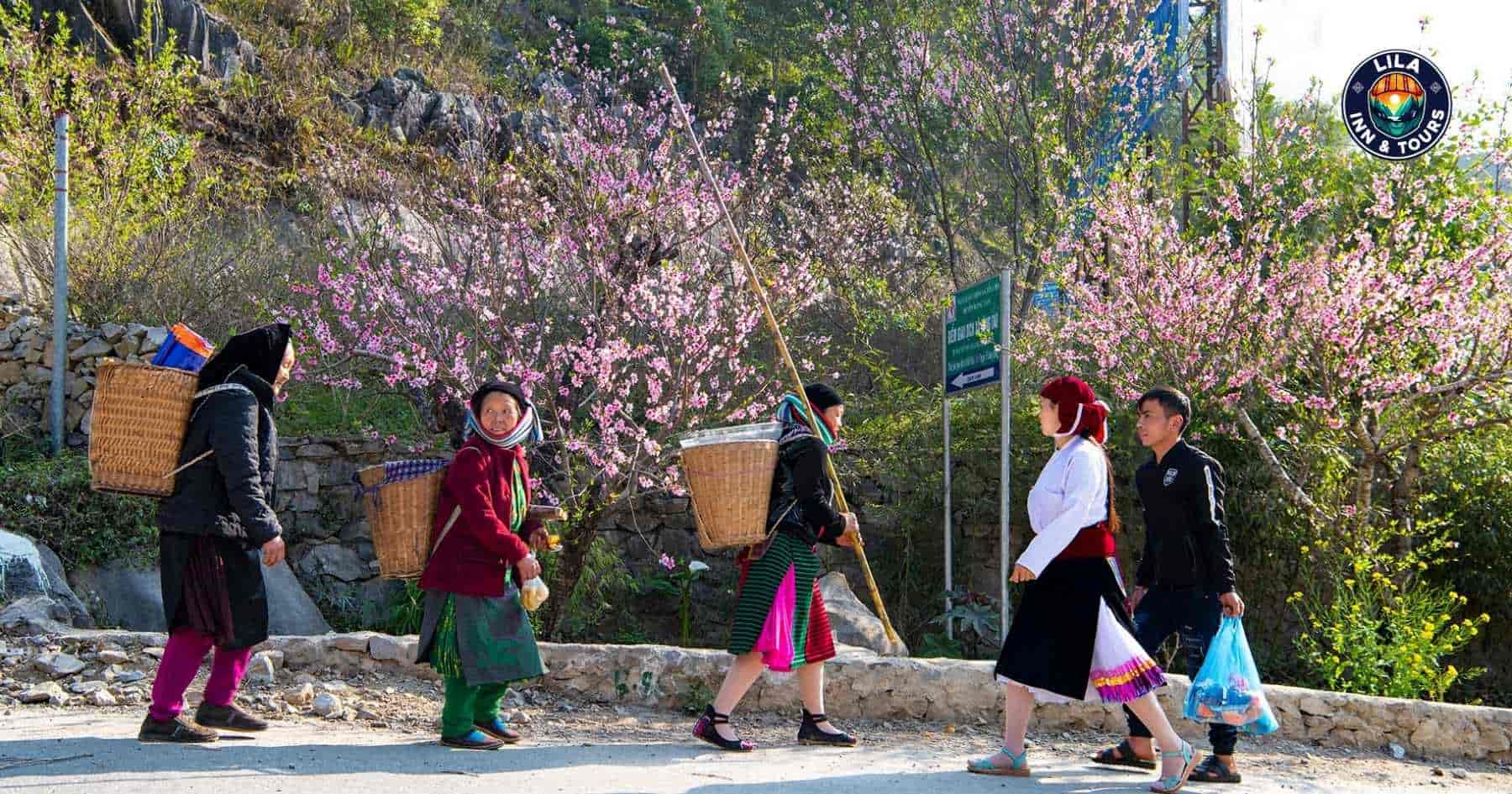
Spring in Ha Giang feels like a warm welcome to every traveler. It is easily one of the best times to visit, thanks to the dry, sunny weather. The air is fresh, skies are clear, and rain is rare. Riding along the mountain roads, you can really breathe in the cool highland air.
This is also when nature wakes up after winter. Hillsides and quiet villages fill with pink peach blossoms and white plum flowers, making the whole landscape look like a painting.
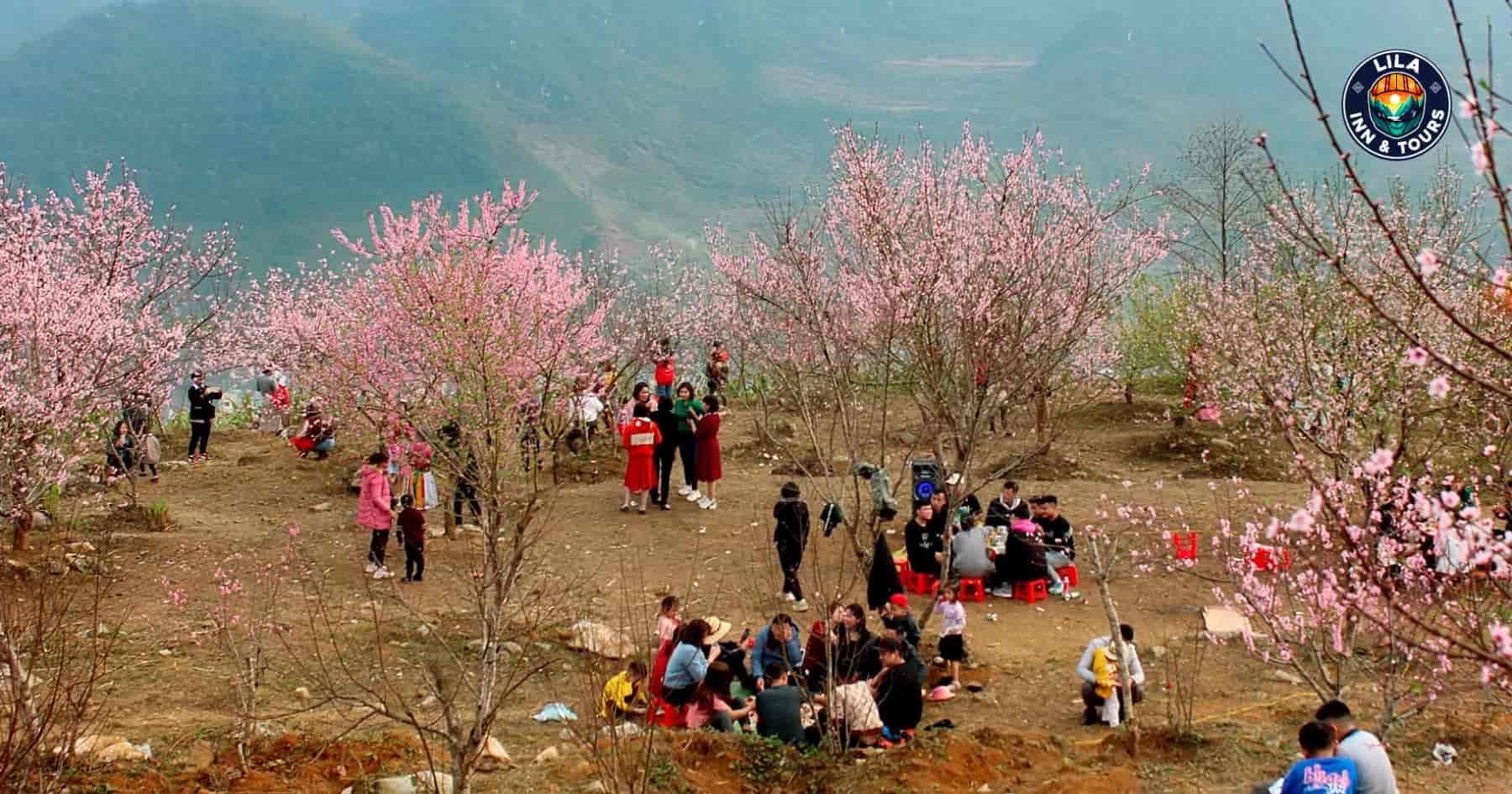
If you visit Ha Giang during Vietnam’s Lunar New Year, usually in February, you will step straight into a joyful local celebration. Villages come alive with traditional games, vibrant dances, and warm smiles from local ethnic communities.
By April, the famous Khau Vai Love Market takes place. This special event brings people together to meet old lovers, share fond memories, and celebrate a culture full of romance and tradition.
Spring weather is mostly pleasant, but nights can still be chilly and light rain may fall unexpectedly. Packing a warm jacket and keeping a lightweight raincoat in your bag will ensure a comfortable trip.
Summer (May – August) | Lush green, waterfalls, rice terraces
Average temperature: 25°C to 32°C
Climate patterns: hot, heavy rain
Scenery: green mountains, rice terraces, waterfalls
Summer brings the rainy season to Ha Giang, with the heaviest downpours usually arriving in July and August. Days are warm, but the high elevation keeps the heat manageable and refreshing. By evening, cool mountain breezes bring a comfortable break from the daytime warmth.
This season shows off a completely different side of the highlands. Endless mountains and deep valleys turn a vivid, lush green under the summer sun.
Summer is also the absolute best time to explore Ha Giang’s hidden waterfalls. Fueled by seasonal rains, the cascades run full and strong, creating some of the most dramatic water views in northern Vietnam.
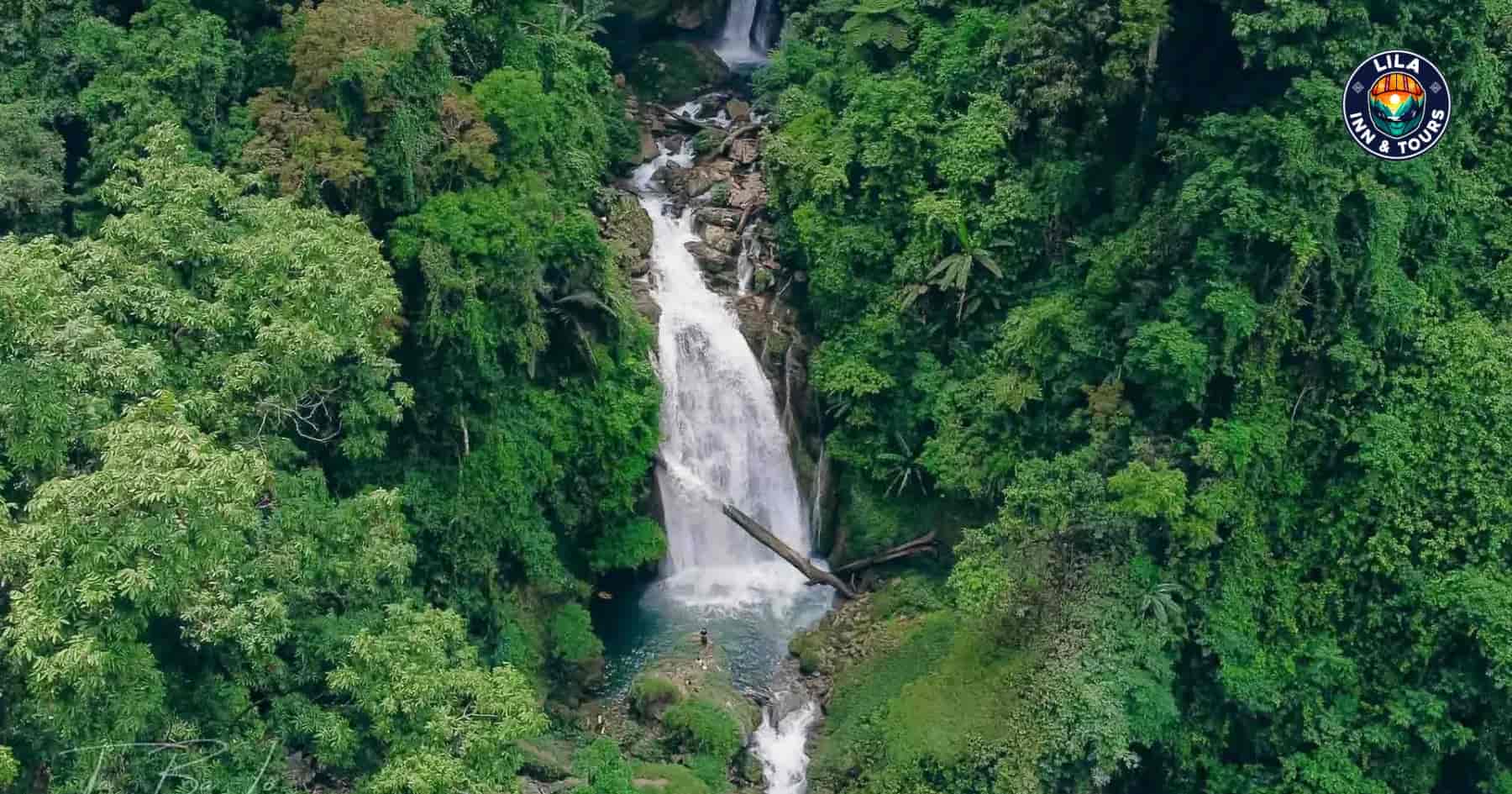
With abundant rain, streams surge and waterfalls crash down with full power, creating breathtaking scenes of majesty.
Another highlight of summer is the famous “pouring water season” on the rice fields. As local farmers prepare their land for a new crop, the terraces sparkle like mirrors under the summer sun.
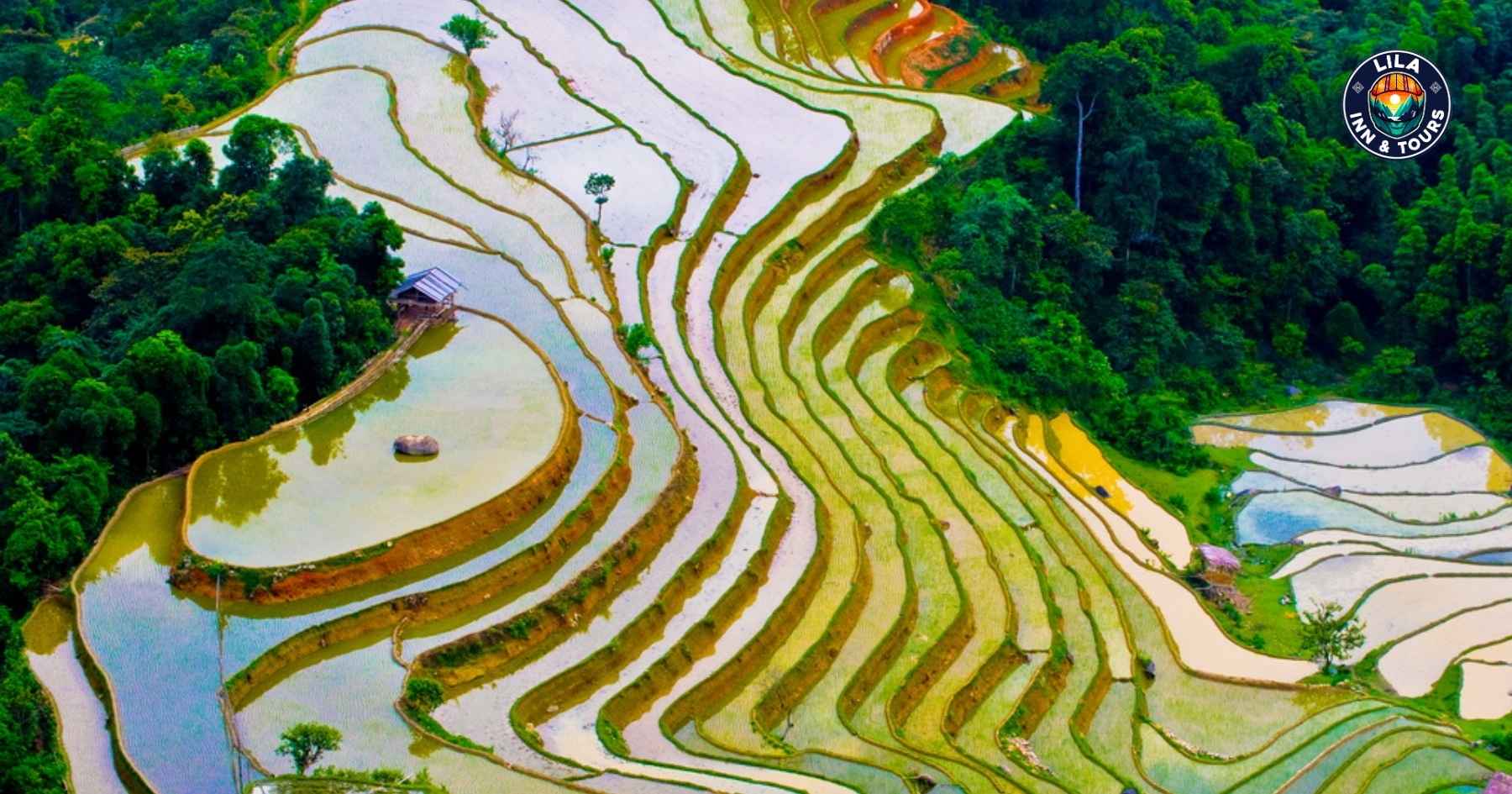
For those who love outdoor adventure, summer is perfect for exploring caves, swimming in cool natural pools, and trekking through the mountains.
However, we still have some reminders for you when traveling this season.
In June and July, the weather may get very hot at noon, so you should start your journey early in the morning to avoid the midday heat. Don’t forget to bring sunscreen and plenty of water.
Summer is especially prone to sudden heavy rains, which can make roads slippery. For safety, it’s highly recommended to check the weather forecast in advance, ride with extra caution, and, if possible, travel with a local guide.
Autumn (September – November) | Golden harvest, buckwheat blossoms & clear sky
Average temperature: 18°C – 25°C
Climate patterns: cool, dry, low rainfall
Scenery: golden rice terraces, buckwheat flowers
Besides spring, autumn is also one of the best times to visit Ha Giang. The days are cool and pleasant, while the nights turn slightly chilly. The skies are clear with very little rain, making it perfect for riding along the winding mountain roads. Yet, what makes autumn truly special is not just the comfortable weather. It’s the breathtaking scenery that only appears during this season.
The rice harvest season marks the start of autumn. In September and October, the terraced fields turn golden, stretching endlessly along the mountain slopes and valleys. The view is so stunning that even a quick roadside stop can reward you with photos that look like paintings.
Along the way, you can also enjoy the special scent of ripe rice fields filling the air. It would be a memory you won’t forget about Vietnam’s rice terraces.
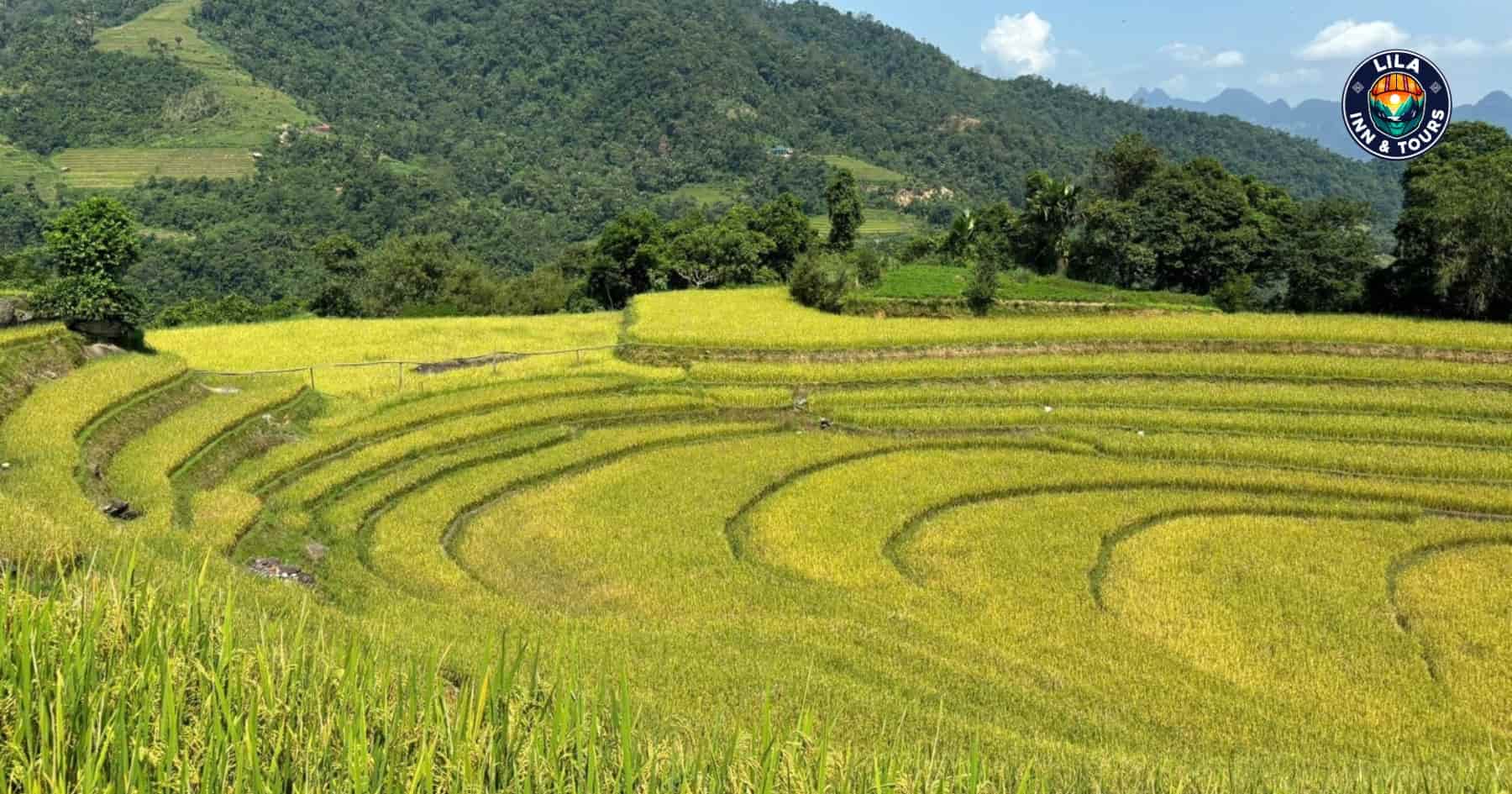
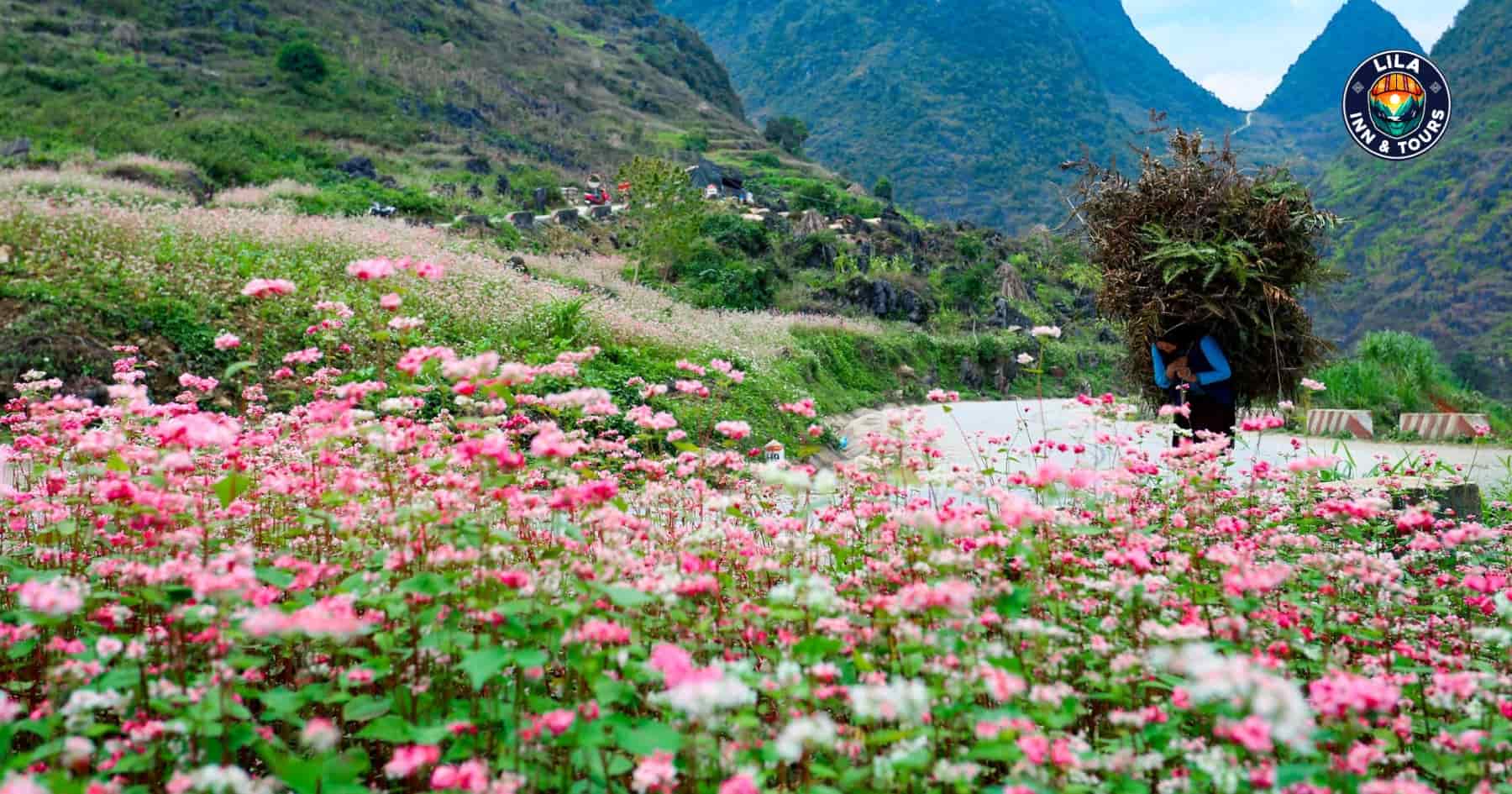
Then comes November, the famous buckwheat flowers begin to bloom. These tiny, delicate blossoms cover the hillsides and valleys in pink and purple, creating a dreamy landscape that “melts” the hearts of every visitor. Many people told us that they come to Ha Giang just to truly admire such a beautiful buckwheat scene and capture that once-in-a-lifetime moment.
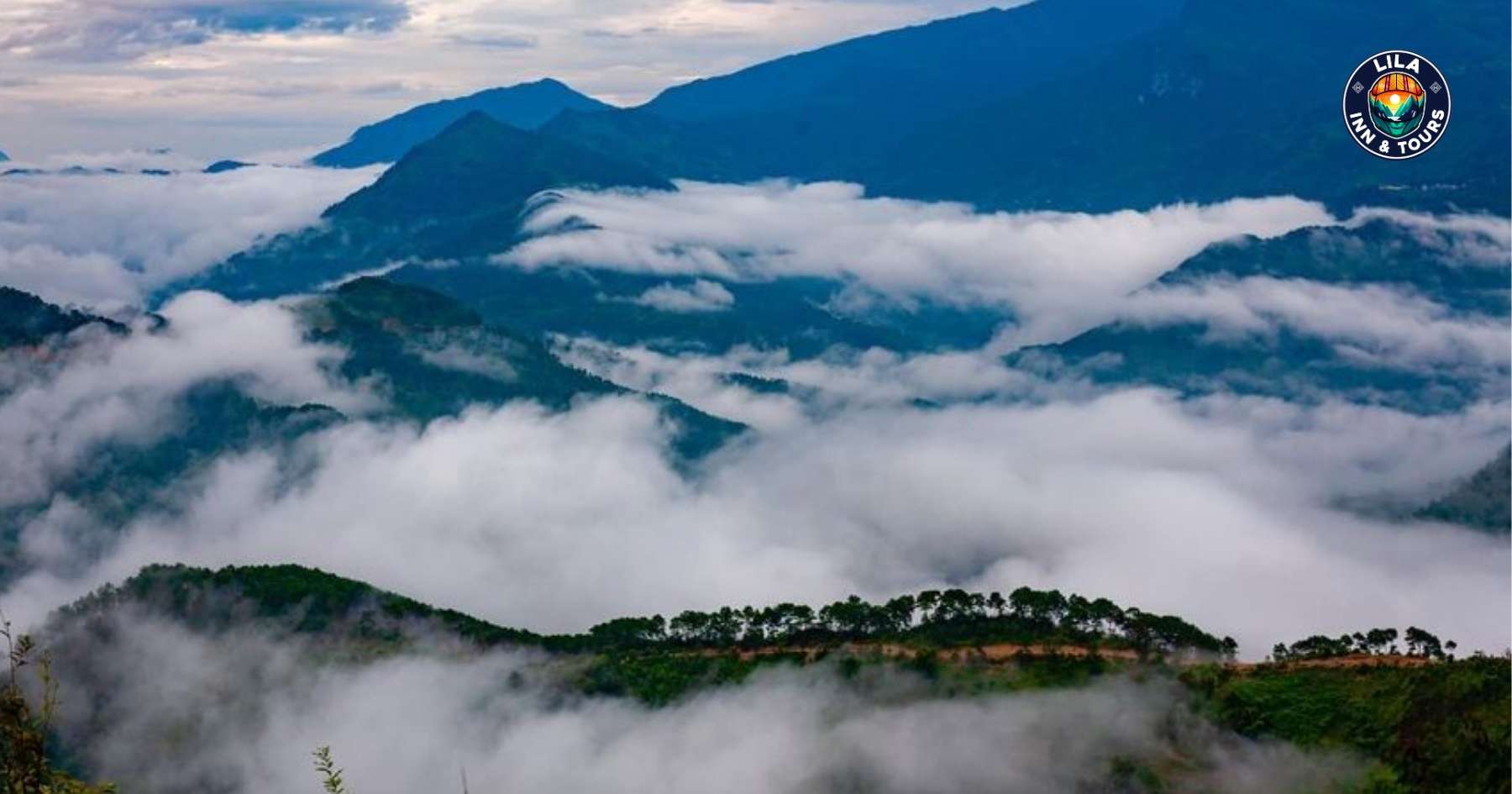
Autumn is also a great time for trekking or cloud hunting in Ha Giang. You could try waking up early to catch the sunrise and watch the ‘sea of clouds’ drift right before your eyes.
Winter (December – January) | Dry season, cold weather, rapeseed flower
Average temperature: 5°C – 20°C
Climate patterns: cool to cold, occasional frost, misty
Scenery: foggy mountains, canola flowers season
Winter in Ha Giang is quiet and peaceful. The days are cool, while the nights can get quite cold, sometimes dropping below 10°C. Morning mist often blankets the mountains and valleys, lending the landscape a mystical air. Frost may appear on the higher passes, adding a sense of magic to the highlands.
Despite the cold, winter has its unique charm. One of the highlights is the rapeseed flowers blooming across the fields and hillsides, painting the valleys in bright golden yellow. You may also catch the first signs of plum flower blossoms, hinting at the upcoming spring.
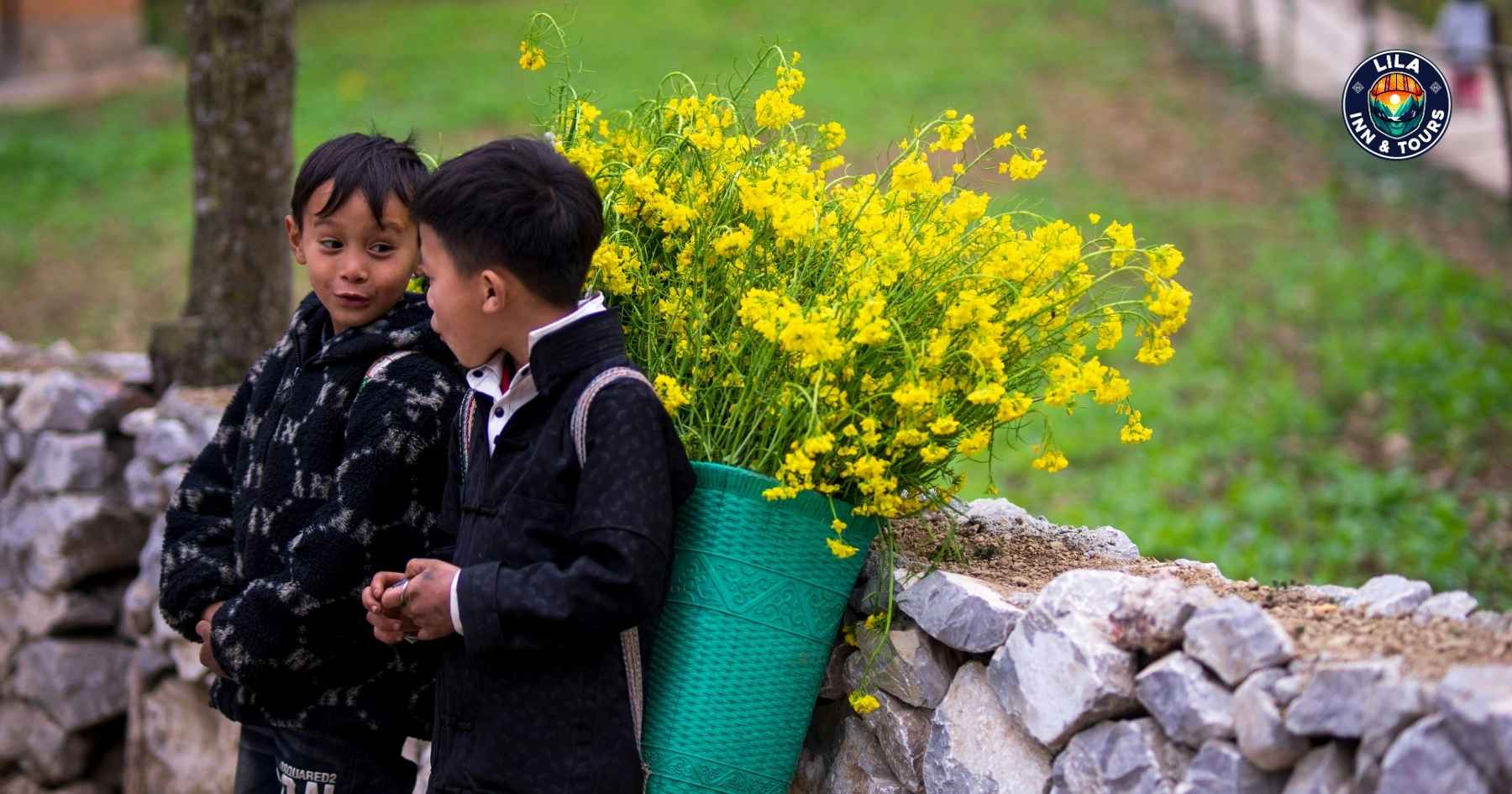
For many travelers, winter is ideal for enjoying the peaceful beauty of Ha Giang, wandering through local markets, and experiencing the tranquil rhythm of life in the highlands. However, remember to pack extra warm layers, as temperatures drop significantly at night. There are days when thick fog rolls in and limits visibility, which means you’ll need to ride more cautiously.
Tips for Exploring Ha Giang Loop (in the Rainy Season)

The weather is a key factor that can decide how enjoyable your Ha Giang Loop itinerary. That’s why Lila has gathered some useful tips, which are collected from both local knowledge and years of tour experience, to help you prepare at your best.
-
Packing smart: A well-prepared Ha Giang Loop packing list should include a good raincoat, waterproof shoes or boots, sunscreen, and a few warm layers.
-
Ride safely: Roads can get slippery during the rainy season, so keep your speed steady, maintain a safe distance, and avoid sudden braking to improve your overall Ha Giang Loop safety.
-
Go with a local guide: If you want to explore waterfalls or hidden trails, having a local guide makes a huge difference. Trails can be muddy and hard to find; a guide helps you stay safe and ensures you reach the right spots.
-
Check the weather: Keep an eye on the forecast, stay flexible, and be prepared for sudden showers along the way.
-
Dress in layers: Weather changes quickly with elevation. It may feel warm in the city but much colder in the mountains, so layers help you adjust easily.
-
Keep warm in the winter: Winter nights in Ha Giang can drop below 10°C—or even below freezing—so pack warm jackets, hats, and scarves to stay comfortable.
Avoid riding after sunset: Winter days in Ha Giang are short, and darkness falls quickly. Thick fog often covers the mountain roads, making riding much harder and more dangerous. Start your journey early so you can finish your route before nightfall, and always check your Ha Giang Loop map in advance so you know exactly where you’re heading before the light fades.
Discover Ha Giang Loop with Lila Inn & Tours

Understanding Ha Giang’s weather is key to a smooth trip, and having a local guide makes everything easier. That’s why Lila Inn & Tours is here to support you.
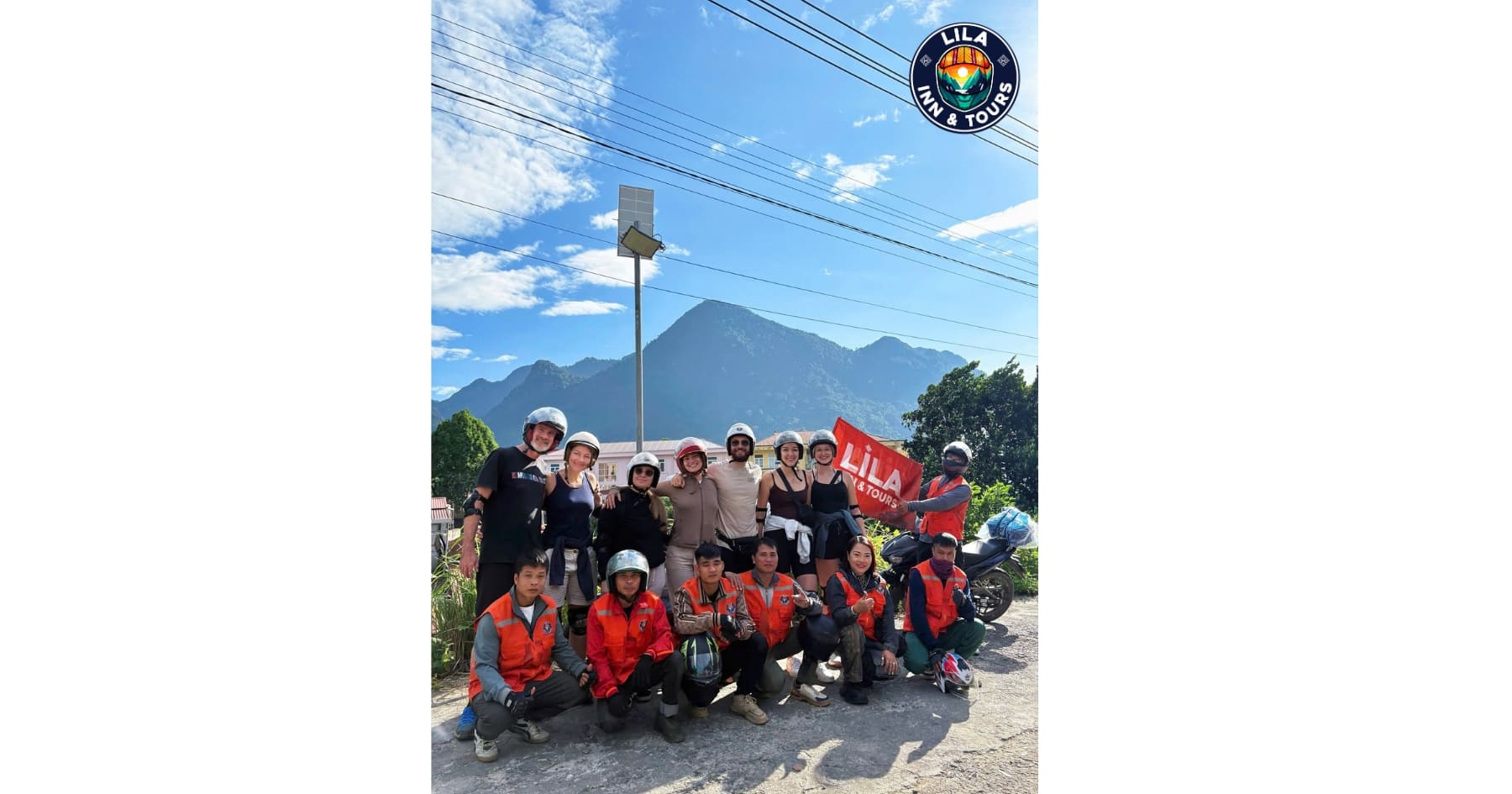
With over 8 years of experience and more than 24,000 travelers guided, we’re proud to offer the best Ha Giang Loop tour. At Lila, our journey is built around three core values: safety, personalized experiences, and off-the-beaten-path adventures.
-
Safety: Our trained Easy Riders follow strict rules and are prepared for sudden weather changes.
-
Personalized experiences: Small groups of under 10 travelers ensure attentive service and deeper connections.
-
Off-the-beaten-path adventures: We guide you beyond the tourist trails to discover both iconic landmarks and hidden gems.
Therefore, Lila also offers three popular routes for different travel styles. Our Ha Giang 3 day tour is perfect for a short, highlight-filled adventure. The 4 day Ha Giang Loop tour offers a smoother pace with more cultural experiences. And for travelers who want a bigger journey beyond Ha Giang, the Ha Giang Loop 5 days route includes an extended adventure through Cao Bằng—where you can explore majestic landscapes, quieter mountain passes, and iconic sites like Ban Gioc Waterfall.
Conclusion
By now, you’ve probably realized that each season in Ha Giang has its own unique charm to explore. That means the “best time” to visit really depends on what you enjoy most—whether it’s blooming flowers, golden rice terraces, or misty winter mornings.
No matter when you choose to go, Lila Inn & Tour offers Ha Giang Loop tour that help you plan a smooth, worry-free journey and make the most of your adventure.
Get your Free Ha Giang Loop Guide Plan your dream trip with our Free guide, including suggested itineraries, top attractions, safety tips, and local insights from Lila Inn & Tours
Frequently Asked Questions (FAQs)
- When is the best time to visit Ha Giang Loop?
For most travelers, the best time is from September to April, when the weather is mostly dry and pleasant.
- What happens if it rains before/during the tour?
At Lila, we operate our tours rain or shine. However, if it is raining heavily before the start of your tour, we will delay it for 30 minutes to 1 hour until conditions improve.
If we determine that the road conditions are safe, we will continue the tour as planned. We provide free raincoats for all our guests.
If heavy rain starts during the tour and we must cancel, you will only be charged for the services and time you spent on the tour.
- Is it safe to ride motorbikes in Ha Giang if the weather’s predicted to rain?
Riding is possible, but extra caution is needed. However, the weather can vary by area, and clouds move, so you’ll still be able to enjoy the scenery in some places, while others may be obscured. Also, it’s recommended to ride with an experienced guide.
Source & Official References
1.Geological Insights & Guidelines: Check official geological data and local tourism guidelines via the UNESCO Dong Van Geopark Official Site.
2.Regional News & Cultural Updates: Explore official local news, travel guides, and cultural updates on the Tuyen Quang Online Newspaper.
3.Cultural & Historical Background: Cultural, historical, and geographical insights in this guide are referenced from the Ha Giang Tourism Encyclopedia (Bách khoa thư du lịch Hà Giang), edited by Dr. Bach Hong Viet (2020).