
The H’mong King Palace is one of the most fascinating stops along the Ha Giang Loop. Built hundreds of years ago, this ancient palace reflects the proud highland heritage and adds a quiet sense of mystery to the Ha Giang Loop.
With over 8 years of experience guiding Ha Giang Loop tours, Lila Tour & Inn will help you uncover everything about this enchanting place: its location, history, sceneries, and travel tips.
Let’s get started!
What do you know about the H’Mong King Palace?
H’mong King’s story
The Hmong King Palace, also known as the Vuong Family Palace, is located in the peaceful Sa Phin Valley of Dong Van District, about 130 kilometers north of Ha Giang City.
The palace served two generations of the Vuong family, first under Vuong Chinh Duc and later his son, Vuong Chi Thanh. Vuong Chinh Duc, widely known as the “Cat King,” was a highly influential leader in Ha Giang during the early 20th century. He governed four major districts (Quan Ba, Yen Minh, Dong Van, and Meo Vac) and played an important role in shaping the region at that time.
His son, Vuong Chi Thanh, devoted his life to the country’s revolutionary movement and later served as a member of the National Assembly during its first two terms.
The Palace’s unique architecture
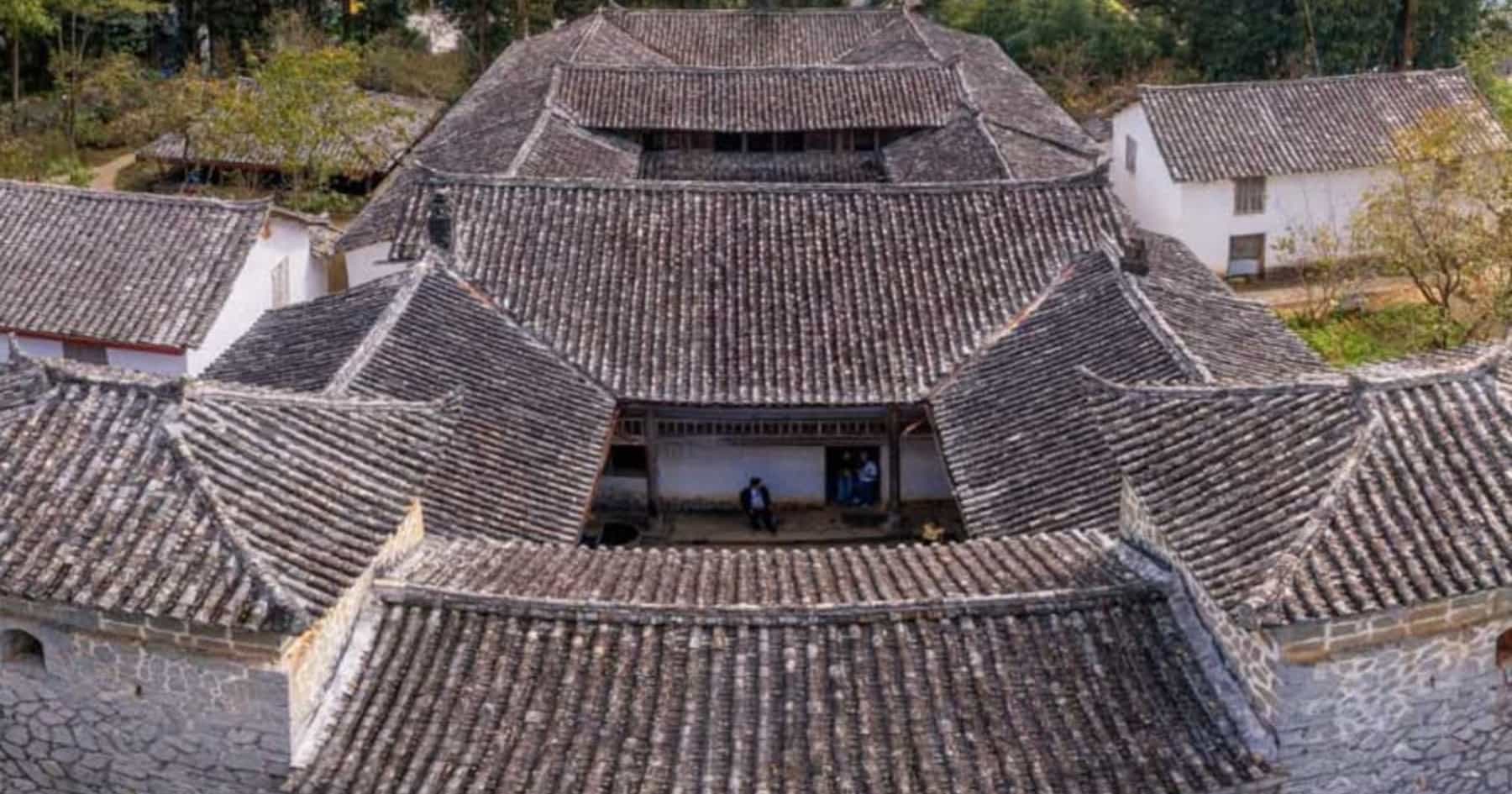
Vuong Chinh Duc chose Sa Phin Valley (Lung Phin commune, Dong Van, Ha Giang) for building his palace after consulting a Chinese feng shui master. This land rises in the shape of a turtle’s back, which was traditionally seen as a symbol of wealth, prosperity, and good fortune.
The palace was built between 1898 and 1907, entirely by hand, without the use of machines or modern tools. It reportedly cost around 150,000 Indochinese silver coins, equivalent to about 6.3 million USD today, and was considered a remarkable architectural achievement for its time.
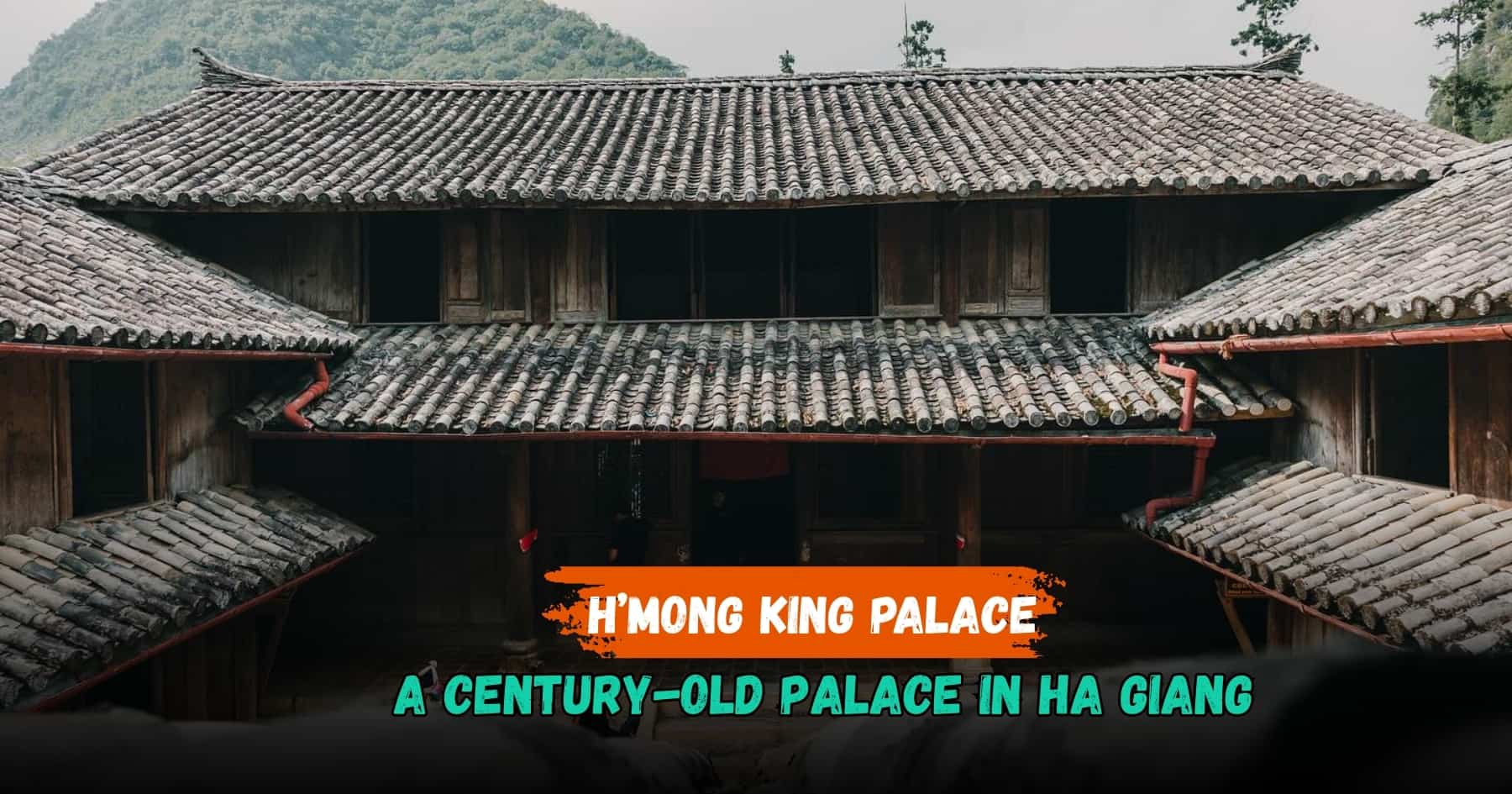
What makes the H’Mong King Palace truly stand out is its distinctive architecture. From the outside, it looks grand and imposing, while inside it is filled with intricate details and fine craftsmanship.
The main buildings were designed as a small fortress, covering more than 1,200 square meters within a total area of 3,000 square meters. Much of the palace has remained well preserved for over a century, thanks to its solid design built from long-lasting materials.
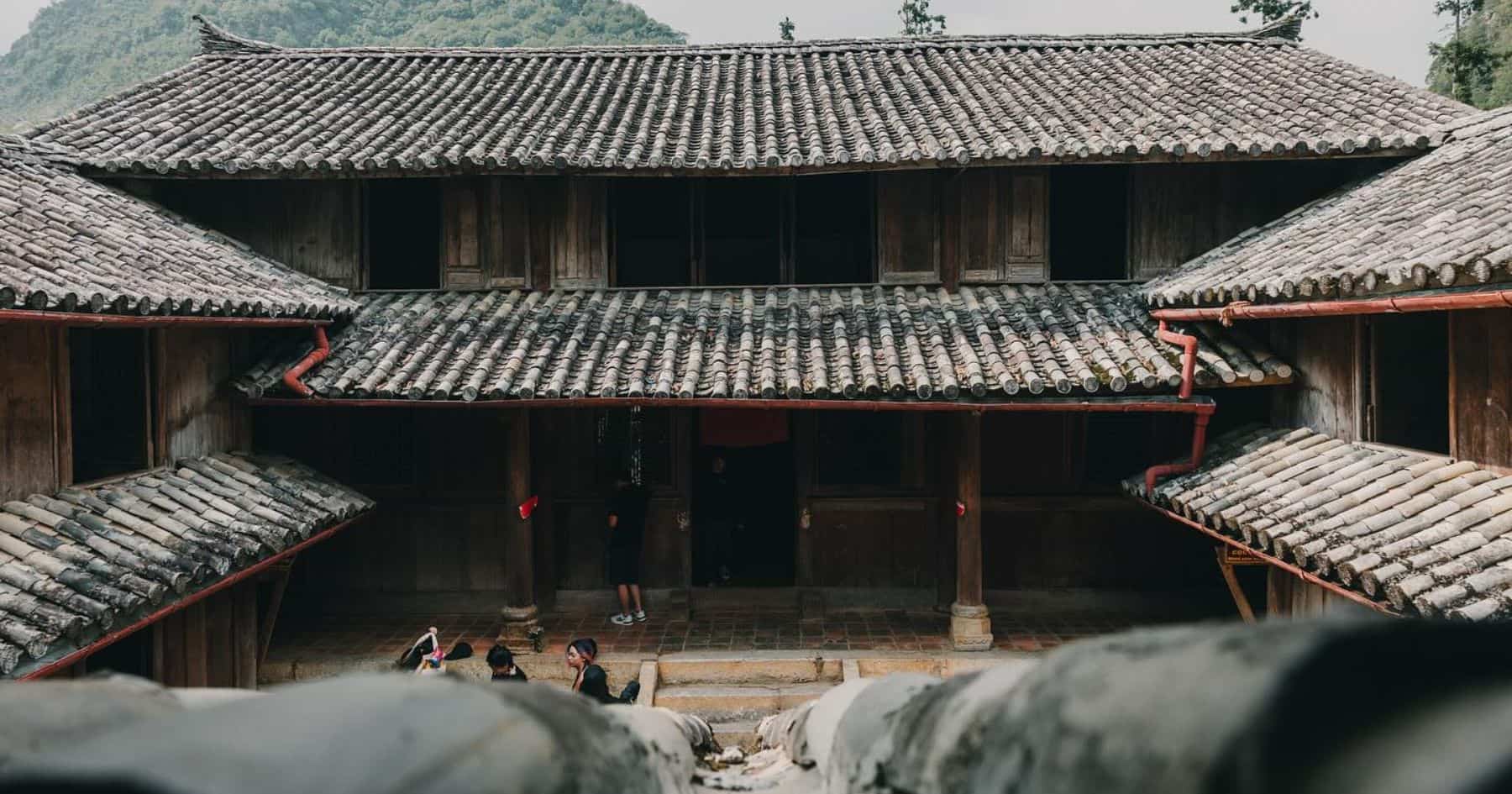
Stone provides a strong base for the structure, while precious wood was used for walls and pillars, adding both flexibility and elegance. Terracotta roof tiles were specifically crafted to withstand years of harsh mountain weather. Till now, only a few pieces of pine furniture have been replaced with high-quality local wood to prevent breaking down over time.
Inside, the palace reflects an extraordinary blend of three architectural styles: H’mong, Chinese, and French. Its layout includes six long houses and four crosswise buildings, arranged into three sections: the Front Palace, Middle Palace, and Rear Palace.
In total, there are 64 rooms, accommodating up to 100 people who live and work together. As you explore the interior more closely, you can still notice subtle French touches, such as glass-paneled windows and a bathtub carved from goat milk stone. These thoughtful details help to enhance the palace’s quiet elegance.
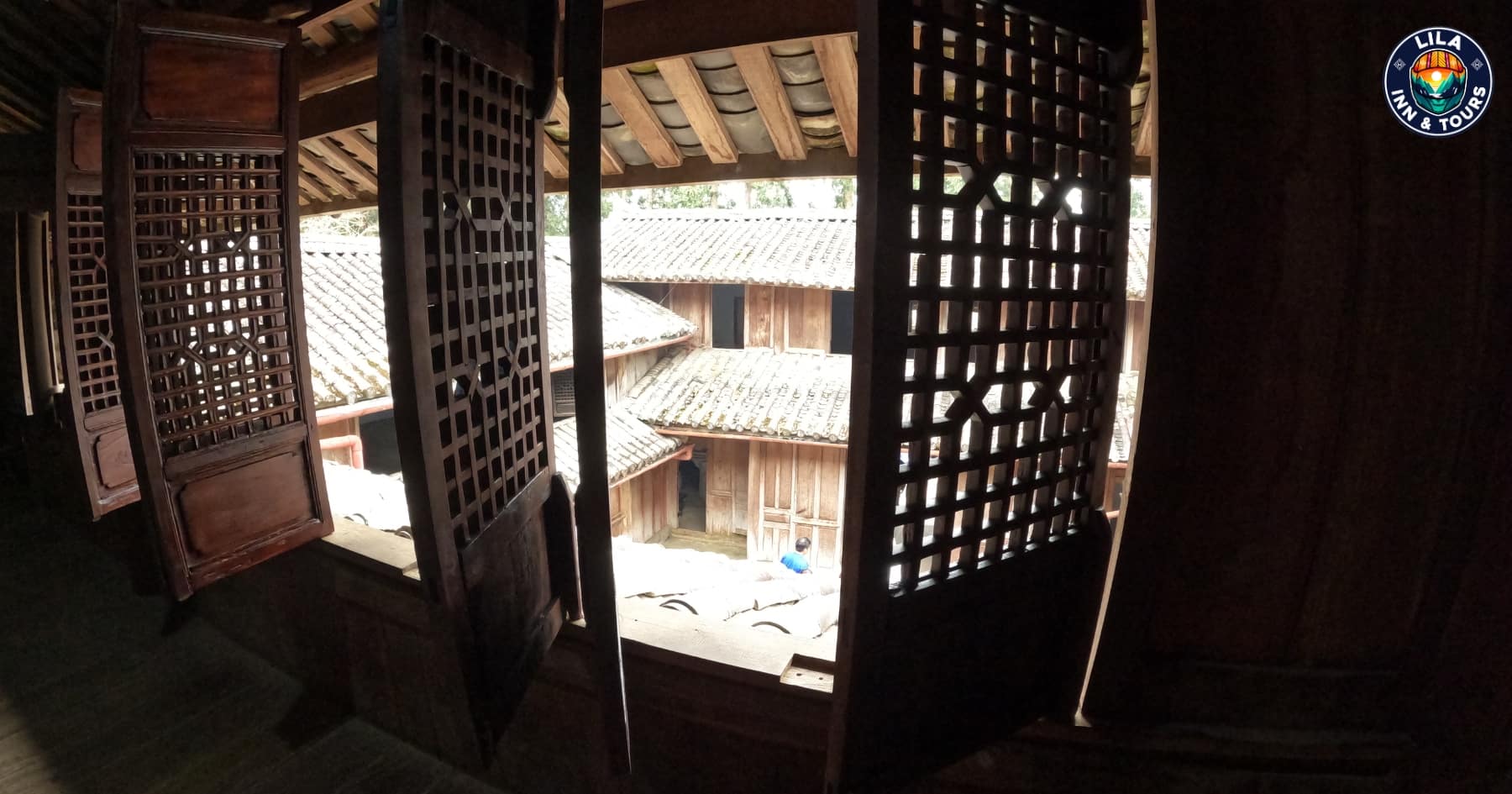
In 1993, the H’mong King Palace was officially recognized as a National Relic. Today, it serves as a living museum, offering visitors a deeper look into the culture, history, and everyday life of the H’mong people in Ha Giang.
From royal history to raw nature,
Tu San Canyon is your next must-see on the Ha Giang Loop. 
Open hours and ticket
The H’mong King Palace is open to visitors daily from 7:30 AM to 5:00 PM, and on Sundays from 6:30 AM. After purchasing an entrance ticket for 30,000 VND per person (about 1.2 USD), you are free to explore every corner of this historic residence at your own pace.
What is the best time to explore the Hmong King Palace
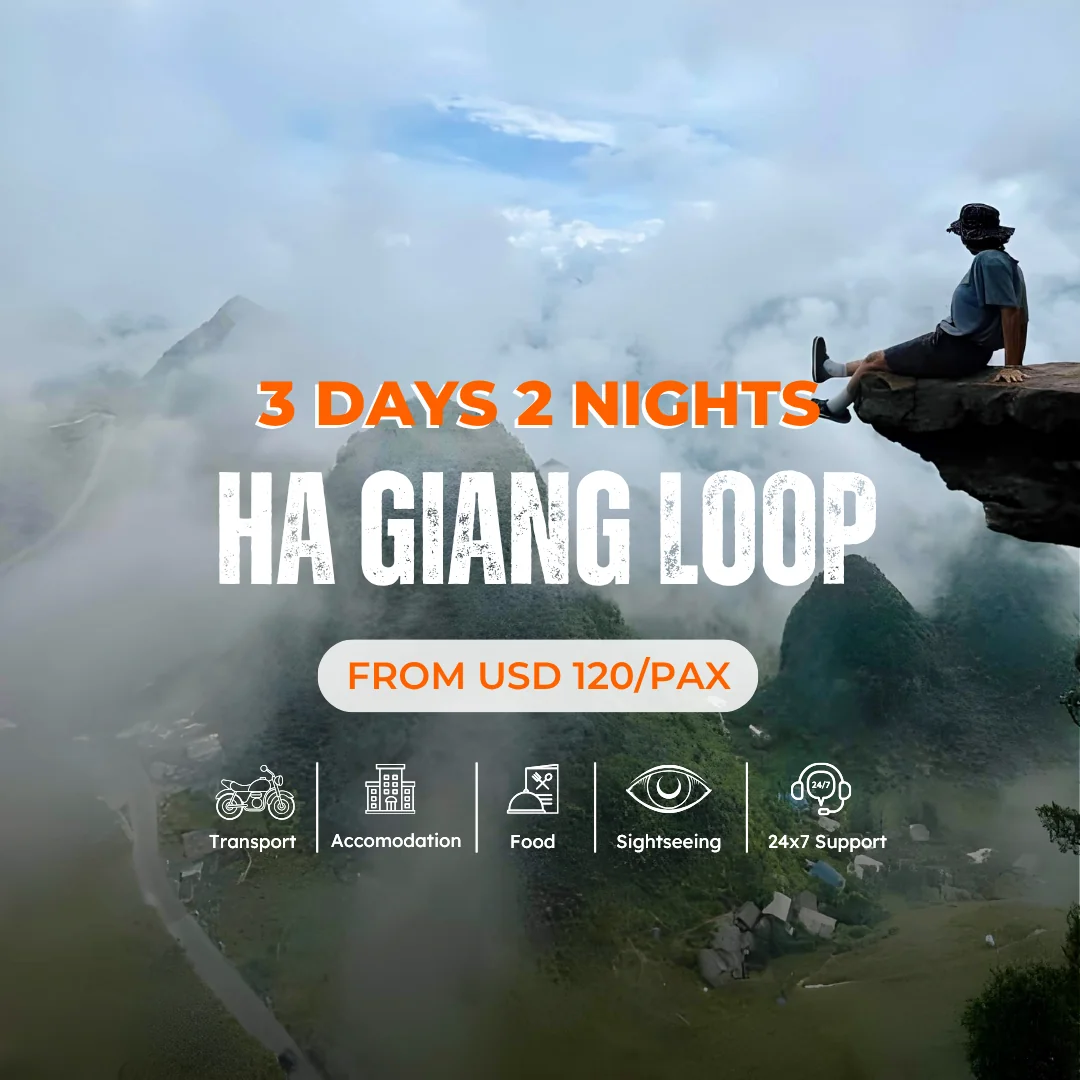
Based on Lila’s experience, we recommend visiting H’mong King Palace between September and April. This period falls within Ha Giang’s dry season, offering the perfect blend of pleasant weather, scenic beauty, and road safety.
Days during the dry season are usually clear and bright, with temperatures ranging from around 15°C to 25°C. With less rainfall, the mountain roads leading to the palace are generally safer and more comfortable to travel.
This is also when Sa Phin, Dong Van shows some of its most beautiful moments. In late September, golden rice terraces ripple across the hills. By November, vast buckwheat fields begin to bloom, tinting the mountains with soft shades of pink. As spring arrives, plum, peach, pear, and apricot blossoms quietly brighten the highlands, creating a gentle and poetic landscape.
If you want to explore the H’mong King Palace in other months, it’s still possible. The scenery remains impressive in its own way. However, remember that July and August mark the peak of the rainy season, which means you need proper preparation in case heavy rain makes riding on the mountain pass more challenging.
How to get to the Hmong King Palace?
To get to the Hmong King Palace, you’ll first need to reach Ha Giang City. The most convenient option is taking a night bus, which usually takes around 8–9 hours. Most buses are modern sleeper buses with comfortable beds, allowing you to rest well before reaching Ha Giang.
“Lila can help arrange bus travel from anywhere in northern Vietnam. Simply contact us, and we’ll take care of the booking for you.”
Then, move from Ha Giang City to the Hmong King Palace.
From the city center, follow National Highway 4C toward Dong Van. The route passes several well-known spots such as Quan Ba Heaven Gate, Tham Ma pass, and Pho Cao Village before reaching Sa Phin Commune, where the palace is located. Then, continue following the main road for about 1 kilometer, and you’ll see the H’mong King Palace on your left-hand side.
About transportation, there are two main choices for you, depending on how you’d like to experience the journey:
- Join a guided tour: You can choose to ride as a passenger with an Easy Rider – an experienced local driver who takes care of the journey for you. If you prefer more independence, you can drive your own motorbike while following a local guide (an International Driving Permit is required). For families or small groups who want a more relaxing trip, a private car tour is an ideal option.
- Rent a motorbike: For confident riders with an IDP, this is the most adventurous option. If you’re not fully familiar with the map, check out our route Ha Giang loop to navigate the journey more easily.
Each mode of transportation offers its own unique experience. If you’re still deciding between a Ha Giang Loop tour self drive or an Easy rider tour, read our detailed guide here to find the option that suits you best.
Top experiences you shouldn’t miss at the H’Mong King Palace
More than a place for sightseeing, the H’mong King’s palace leads you into a journey of culture, architecture, and local life. To help you enjoy the experience at your own pace, here are a few simple things you shouldn’t miss during your visit.
Check in at the ancient palace
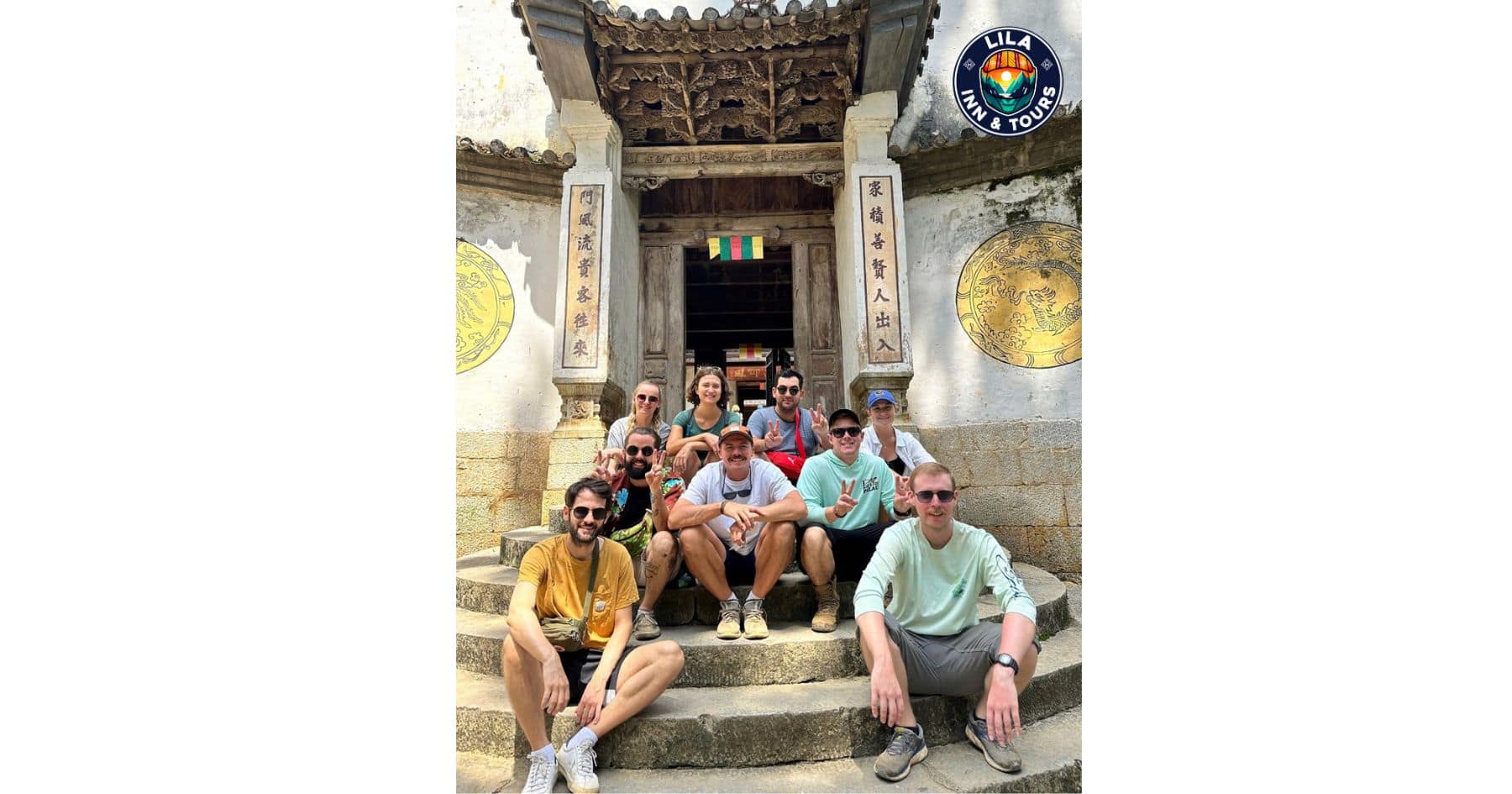
One of the first things most travelers do here is simply slow down and take in the setting. The H’mong King Palace has a quiet, timeworn beauty that feels different from anywhere else on the Ha Giang Loop. You can take some photos with its moss-covered stone walls, wooden doors, and intricate carvings inside the palace. For the best photos, it’s worth visiting in the morning or early afternoon, when the light is soft and natural.
Learn about the history, architecture, and stories of the palace
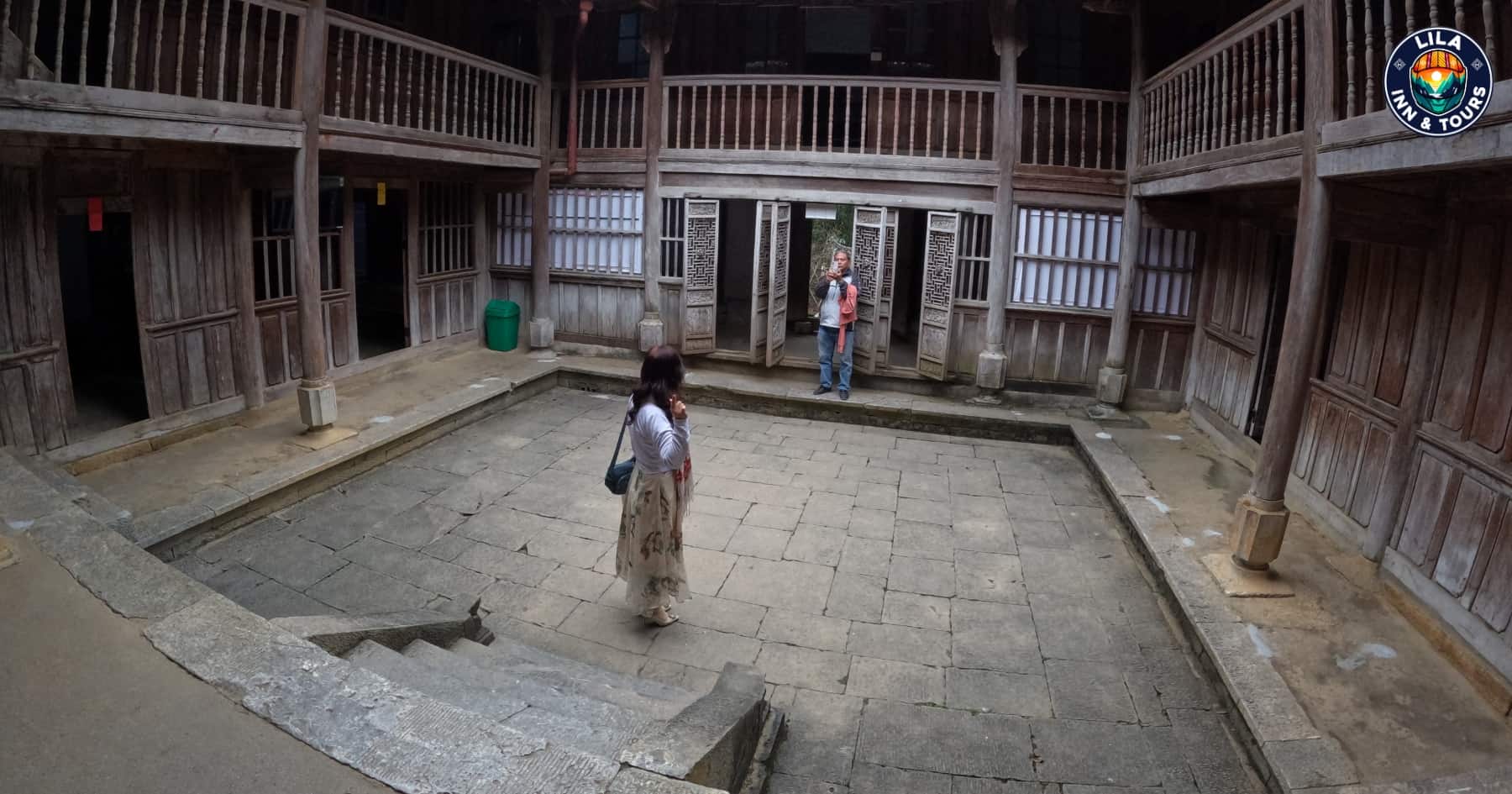
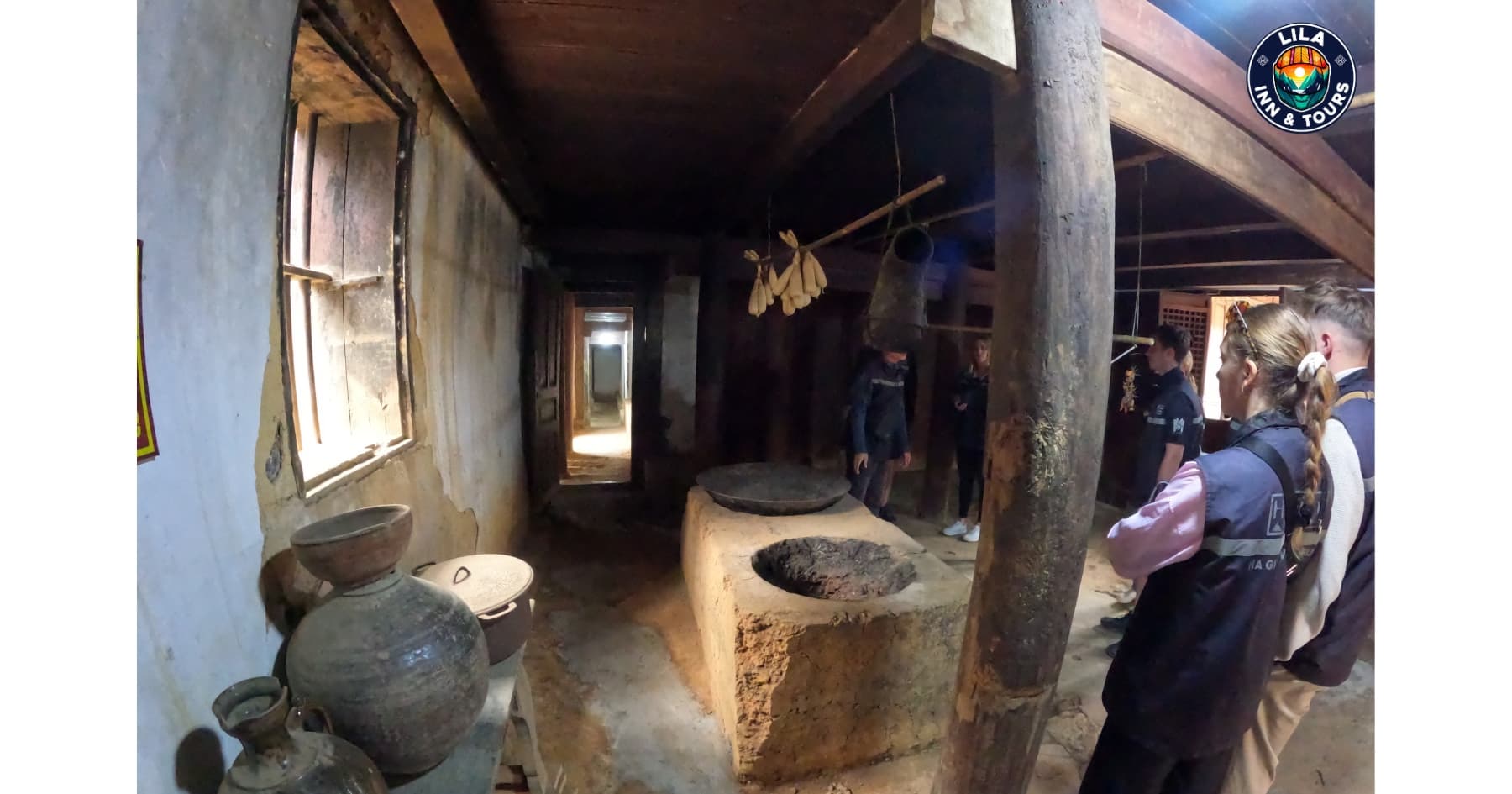
Besides taking photos, you can also stop to read the short introductions placed around the palace or listen to local guides. This will help you understand deeply how the space is arranged and how each section connects to the next. The layout, the materials, and even the smallest details all reflect the way the Vuong family lived more than a century ago. Many rooms still carry quiet traces of daily life from that time.
Shop local handicrafts and souvenirs
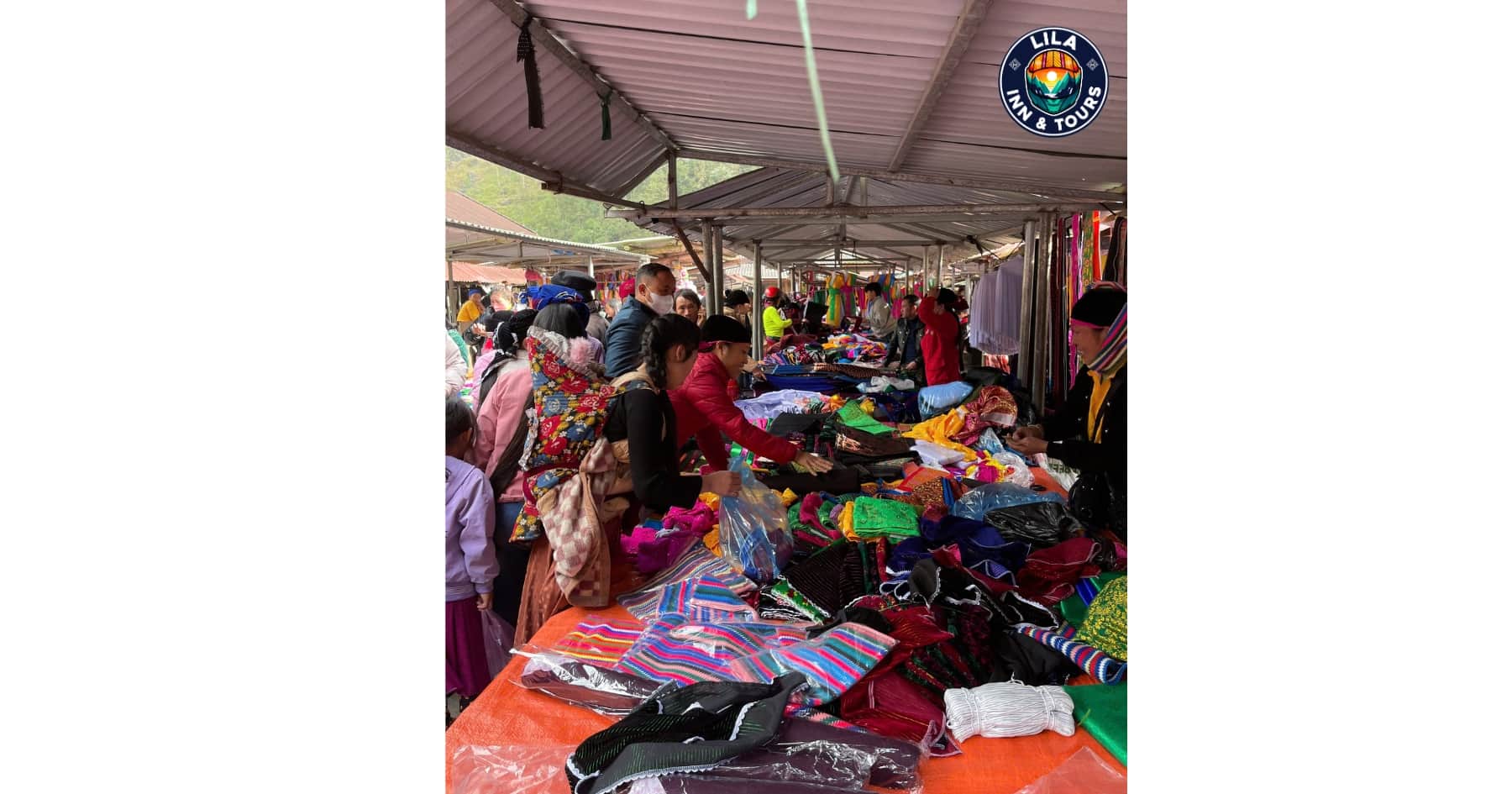
Right in front of the H’mong King Palace, there’s a small souvenir shop where you can find beautiful H’mong handicrafts such as handwoven fabrics, embroidered bags, and silver jewelry. If you look for a wider selection, you can head to Sa Phin Market nearby, where local artisans sell a variety of traditional crafts and handmade souvenirs that capture the essence of H’mong culture.
Discover local cuisine
After exploring the palace, you can take a short walk to nearby eateries or head to Sa Phin Market to enjoy traditional Dong Van dishes. Here, every day, local food is simple but full of flavors. Must-try dishes include thang co (horse meat stew), buckwheat cakes, men men (steamed corn flour), and a small cup of corn wine.
Where to stay near H’Mong King Palace
Near the H’Mong King Palace, it’s easy to find a place to slow down, rest a little, and soak in the calm of Ha Giang’s highlands. Below are five nearby homestays that Lila recommends for a comfortable and relaxing stay.
Dinh Di Homestay
Dinh Di Homestay is located just about 800 meters from the H’Mong King Palace, making it a convenient place to stay if you don’t want to travel far. The homestay is simple and home-like. It mainly offers private rooms for two or four guests, suitable for couples or small groups. The host is friendly and serves delicious local meals.
Chi Pau Bungalows
Chi Pau Bungalows is a simple and cozy homestay, built almost entirely from wood, creating a warm and comfortable atmosphere. The homestay mainly offers private rooms, along with a larger room suitable for families. Each room features a window or balcony that opens out to wide mountain views, perfect for enjoying breakfast or a cup of coffee while taking in the scenery. It also serves local home-style meals, giving guests a chance to experience everyday highland flavors in a relaxed setting.
White H’mong Homestay (Chai To Homestay)
White H’Mong Homestay is a small, simple place that offers both dorms and private rooms, with very basic facilities. The real highlight is the warm and welcoming host, who makes guests feel truly at home. Here, you can take part in everyday village life, from picking fresh vegetables and walking through nearby fields to sharing home-cooked dinners with the host family. It’s a great choice for travelers who want to experience local life up close, rather than just having a place to sleep.
Local Dong Van Homestay
Local Dong Van Homestay is a simple but well-equipped place to stay, offering several room types that suit both couples and small groups. Many rooms open out to views of the surrounding mountains. The homestay is especially loved for its food, with the host serving both local specialties and familiar Western dishes. There is also a small café on site, where guests can sit, have a coffee, and enjoy the view at a relaxed pace.
Moc Homestay
Moc Homestay stands out with its warm Northern design, where everything is simple but carefully put together. The entire house is built from wood, with a cozy fireplace in the common area. The homestay offers private rooms with bathrooms and all the basic comforts you might need. While meals aren’t cooked on-site, the friendly host is happy to help you order local food, which is tasty and reasonably priced.
Interesting attractions to explore near H’mong King Palace
Besides exploring the Hmong King Palace, you can also extend your journey to visit several nearby attractions. These spots are perfect additions to make your Ha Giang Loop adventure even more complete and memorable.
Rocky Plateau Park
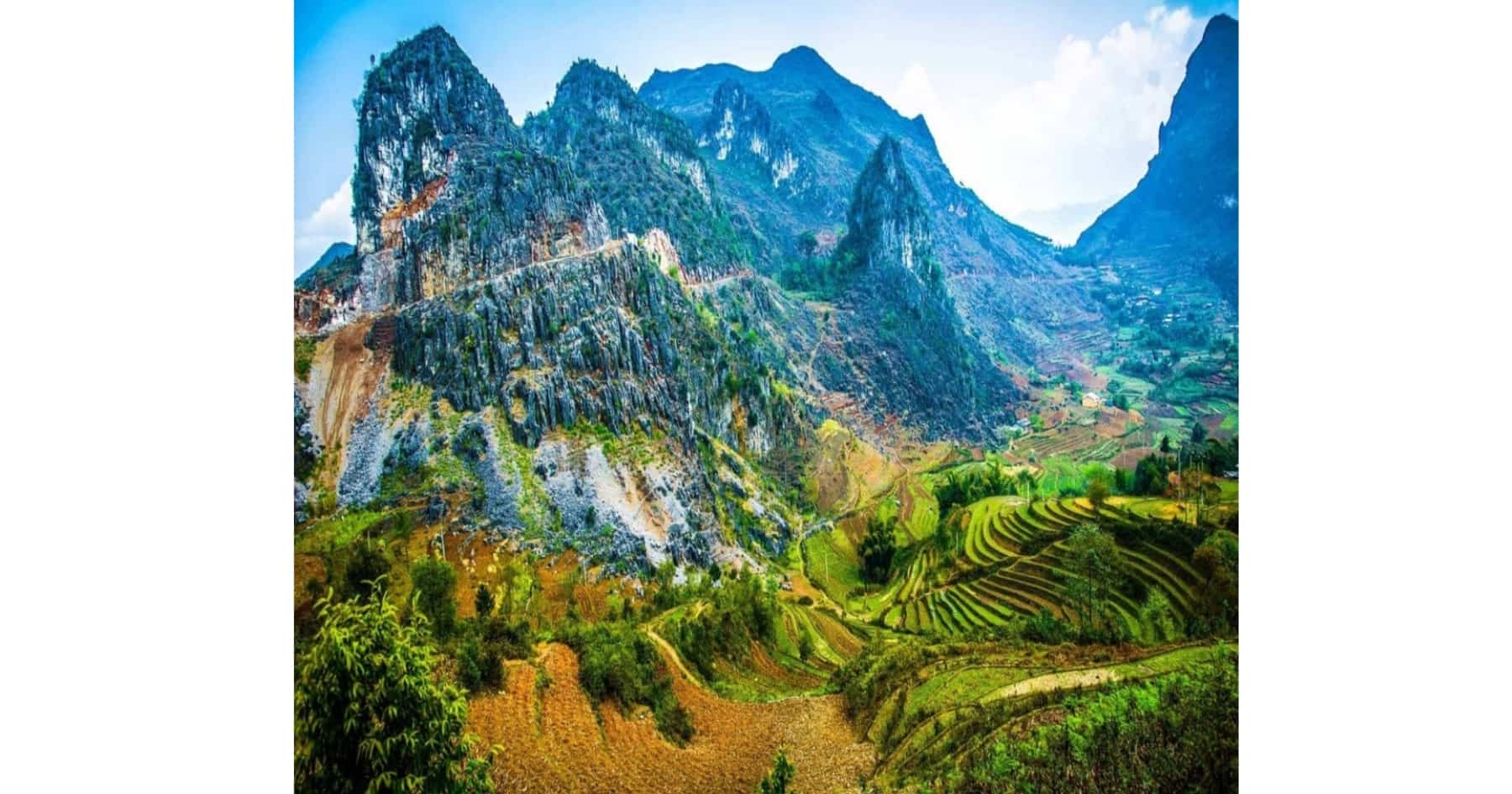
Just about 2 km from the H’Mong King Palace, Rocky Plateau Park is a small but interesting stop within the Dong Van Karst Plateau Geopark. The area is known for its sharp limestone formations scattered naturally across the landscape, creating a raw and quiet beauty. You can come here for a slow walk among the rocks, take some photos, or just quietly take in the open views. On a clear day, the surrounding valleys and mountain ranges stretch out before you, making the short visit well worth the time.
Lung Cam Cultural Tourism Village
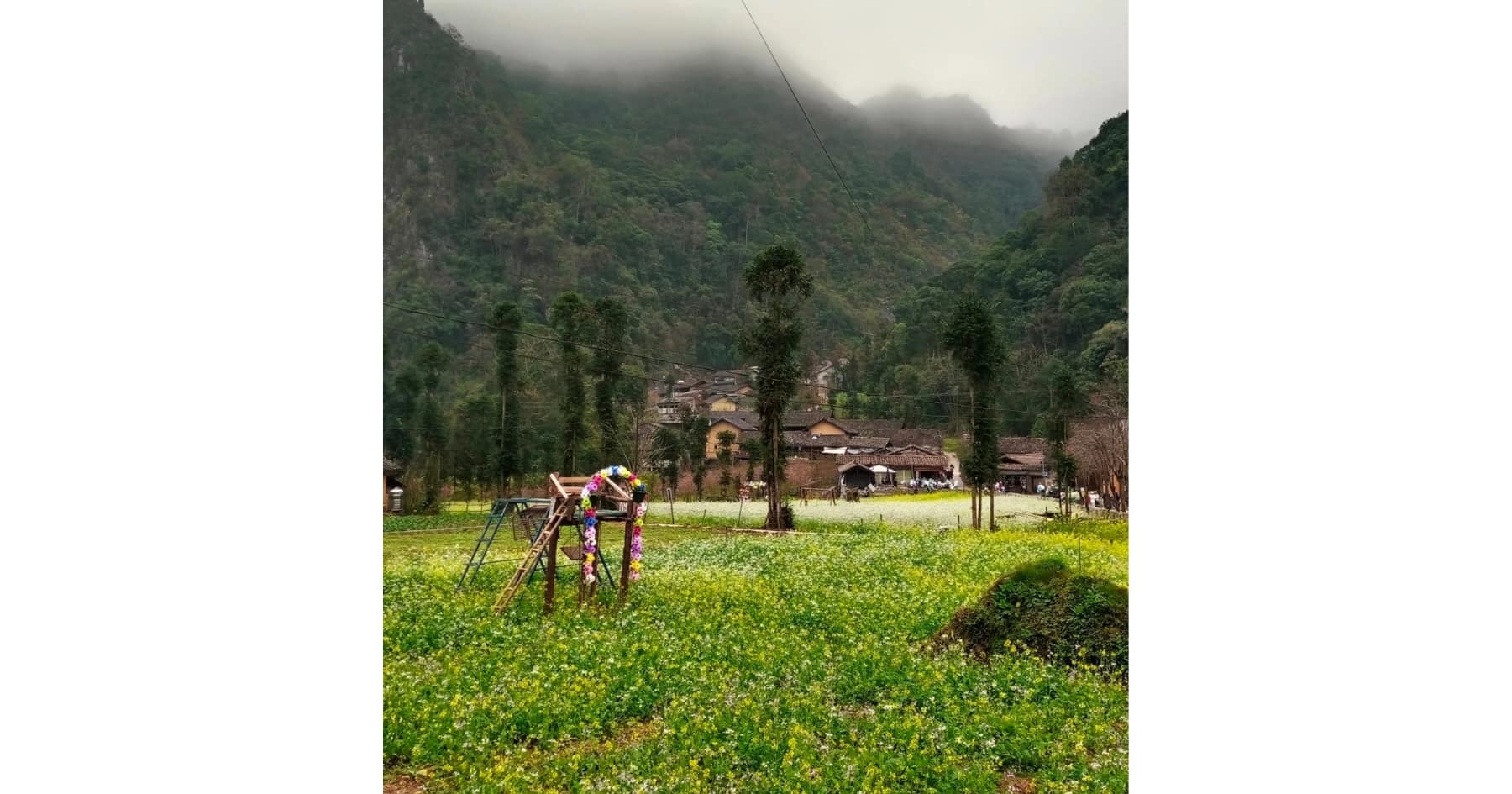
About 10 km from the H’Mong King Palace, Lung Cam is a small and peaceful village, known for its well-preserved traditional houses and slow rural pace. The air feels fresh and open, with mountains surrounding and seasonal blooms like buckwheat, yellow mustard, and cherry blossoms brightening the village. You can wander through the village, take photos, chat with residents, and try simple local dishes to better understand everyday life in Ha Giang.
Pao’s House
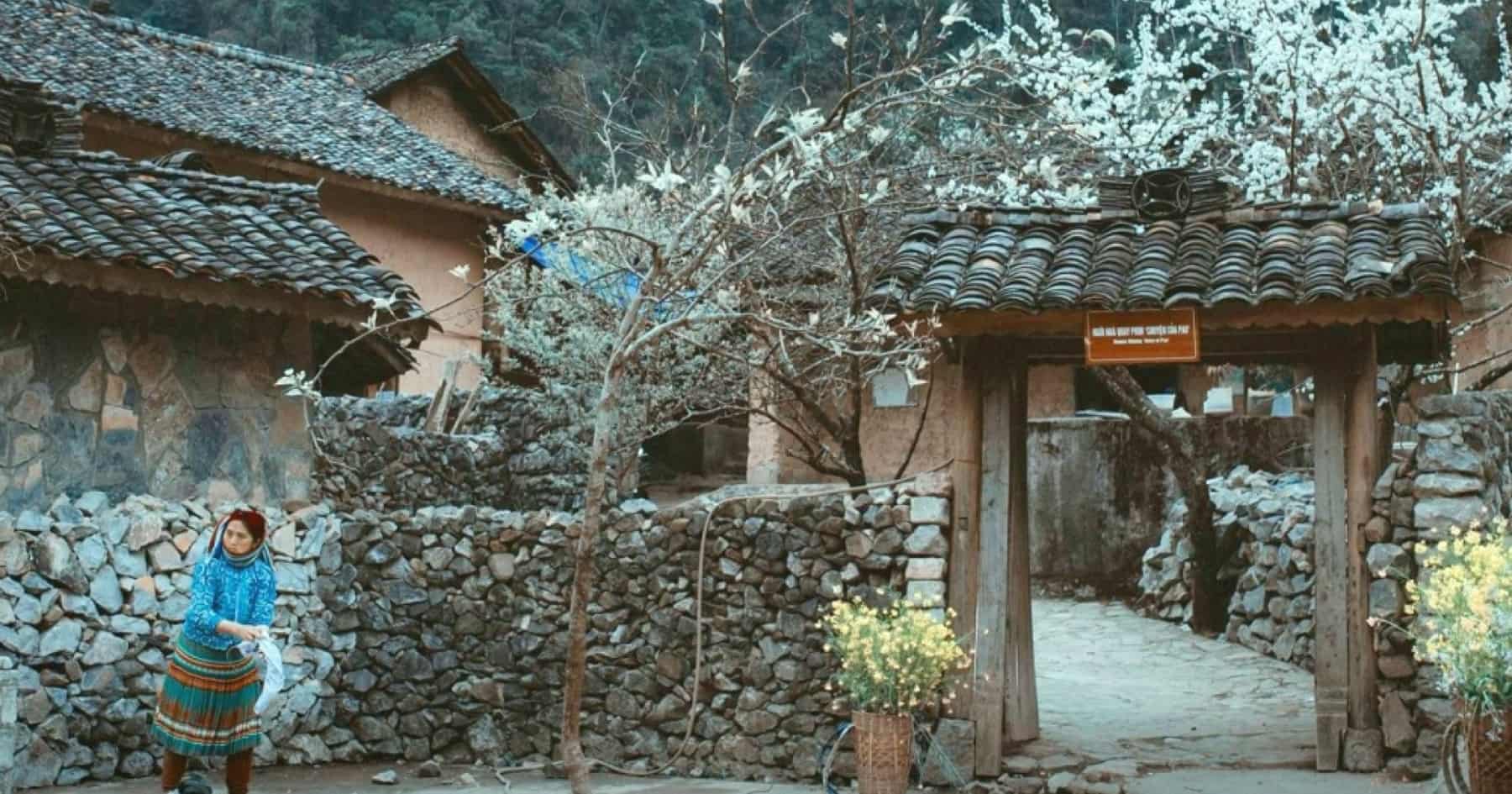
In Lung Cam Village, you’ll find Pao’s House, the main film set of The Story of Pao. The old house sits quietly among stone walls and earthen courtyards, keeping the atmosphere calm and unhurried. As you walk around, you can listen to simple explanations about the daily life and traditions of local H’Mong families. Take your time to explore the house, learn more about village life, or pick up a few small souvenirs before you leave. In November and December, the buckwheat flower garden right next door comes into full bloom. It becomes a favorite photo spot for travelers.
Dragon Cave Sang Tung
About 10 km from the H’Mong King Palace, Dragon Cave Sang Tung is an interesting stop for travelers who enjoy nature exploration. The cave has a wide entrance, nearly 10 meters across, and a surprising climate inside. It feels warm and comfortable in winter, while staying cool and refreshing during the summer months. As you walk deeper in, you’ll see rock formations shaped slowly by time, with an easy path that most visitors can explore at a relaxed pace.
Lao Xa Village
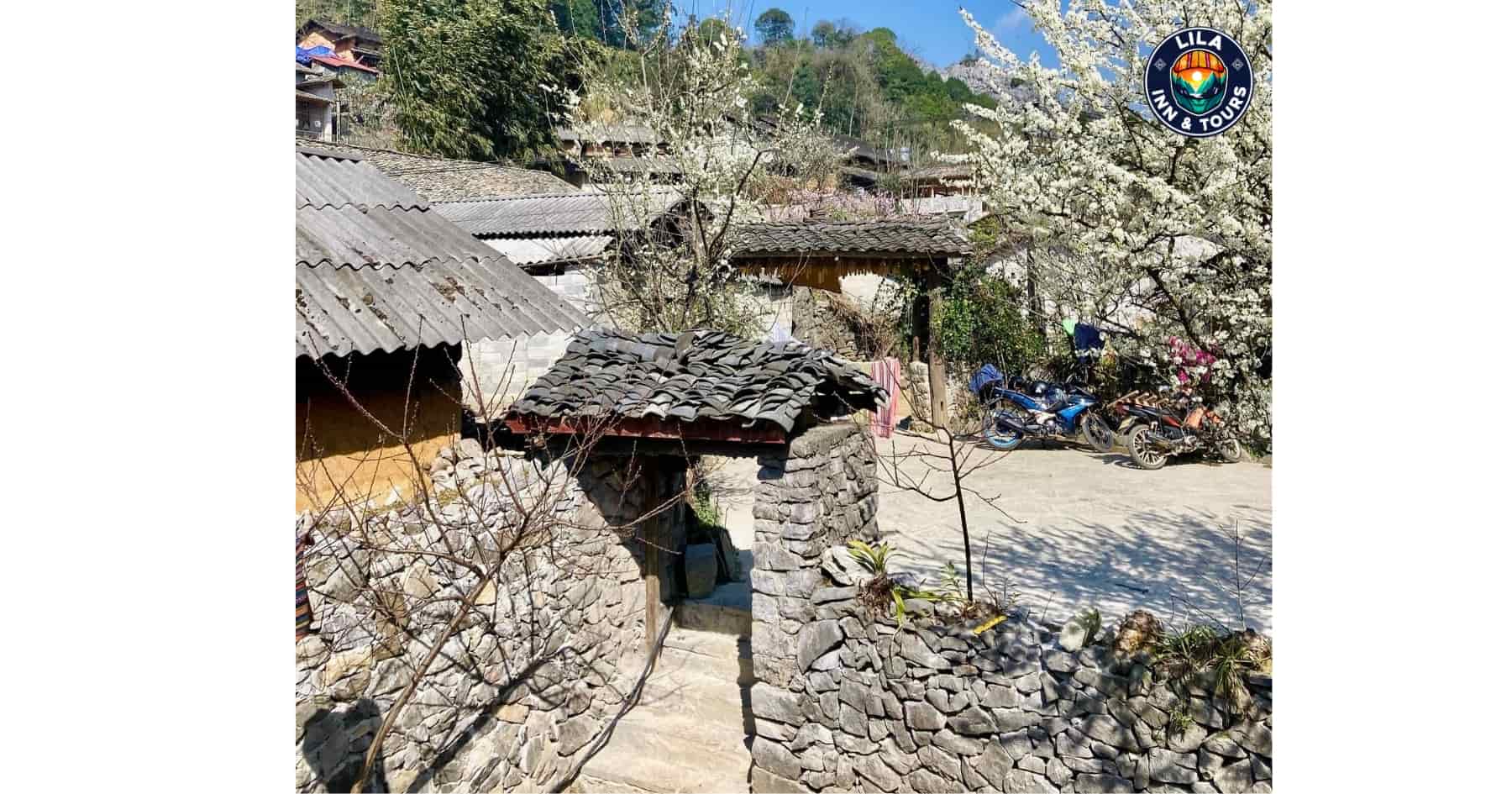
Located about 10 km from the H’mong King Palace, Lao Xa Village is a small, traditional H’Mong village in Sung La Commune, Dong Van District. The village is a great place for visitors to learn about everyday H’Mong life.
It is known for its old rammed-earth houses, unique architecture, and the mountain scenery that surrounds the village. Here, you can also see traditional crafts such as silver making and ethnic embroidery. Lao Xa is especially beautiful during the peach blossom and mustard flower seasons, or in winter when frost and mist gently cover the landscape.
If you enjoy the charm of old villages in Ha Giang, Pho Cao and Lung Ho are both worth a visit. While Pho Cao feels lively and full of energy during its highland markets, Lung Ho village offers a quieter atmosphere with calm scenery and traces of proud history.
Important notes for visiting the H’mong King Palace
To make your trip to the H’mong King Palace safer and more enjoyable, Lila has gathered a few practical tips based on our 8 years of experience guiding tours on the Ha Giang Loop.
- Check the weather and start early: The road to the H’Mong King Palace includes challenging mountain passes, so it’s important to check the weather in advance, especially during rainy days. Starting early while it’s still daylight not only makes the ride safer but also gives you the best light to enjoy the palace and take beautiful photos.
- Dress respectfully: This is a historic and cultural site, so wearing modest and respectful clothing is appreciated. Try to avoid very short shorts or skirts when visiting the palace.
- Do not make loud noises: Please avoid speaking loudly or disturbing others. A calm and quiet atmosphere helps preserve the character of the site and allows everyone to enjoy the visit.
- Do not touch artifacts: All objects and structures inside the palace are protected cultural relics. For preservation and safety reasons, visitors should not touch or lean on any artifacts.
- Consider hiring a guide: To better understand the history and details of the palace, you may want to explore with a local guide. Alternatively, traveling with an Easy Rider gives you a knowledgeable companion who can share stories and insights along the way.
Explore the H’mong King Palace with Lila Inn & Tours
The H’mong King Palace is not only a historical relic but also a symbol of H’mong culture and artistry, reflecting the rich and memorable life and history of the H’mong people. As you admire the unique layout, the intricate wooden carvings, and each delicate detail in the palace, you will truly understand why this place is so deeply cherished, not only by the people of Ha Giang but also by Vietnam as well.
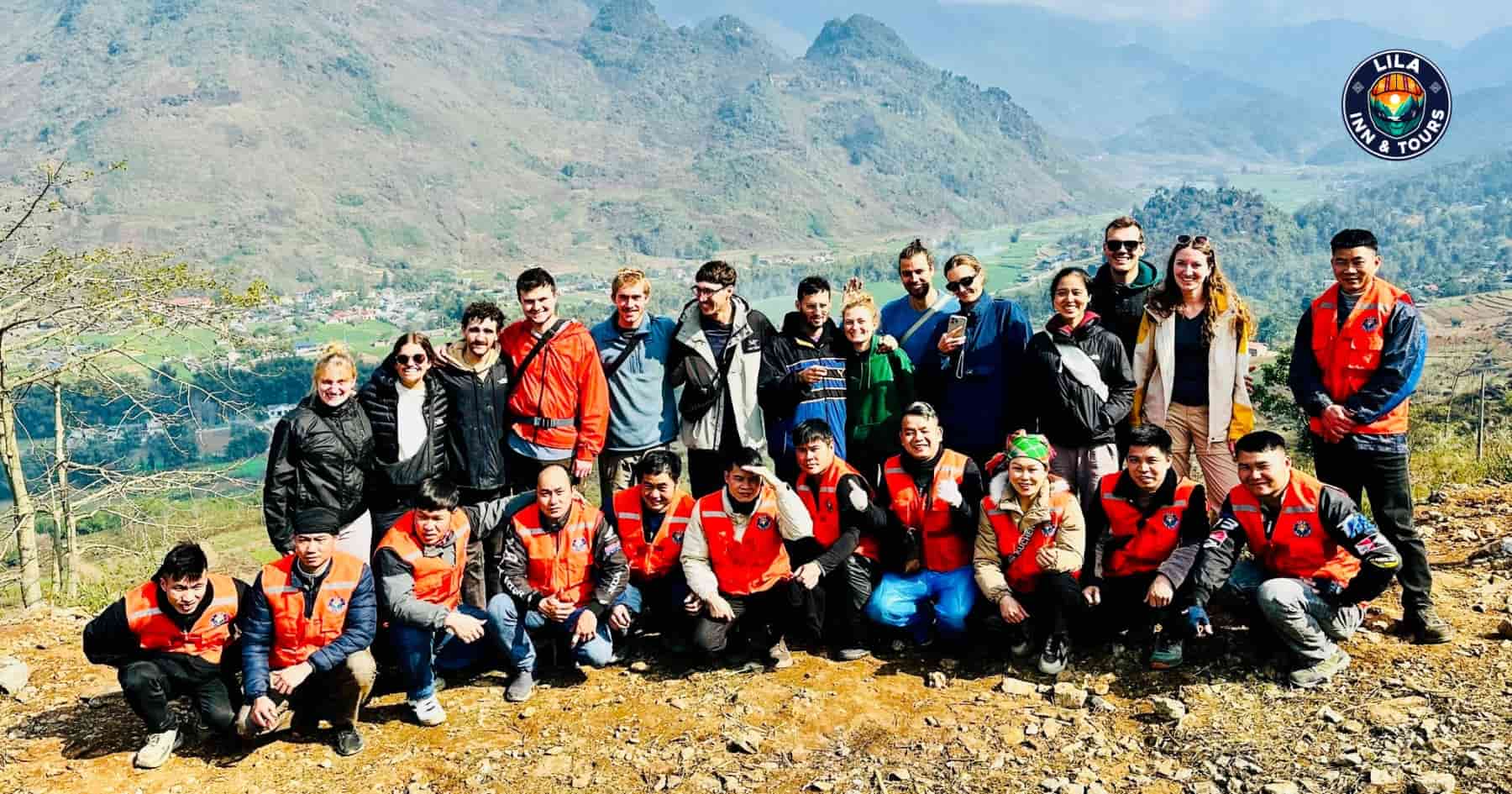
As a trusted local tour company with over 8 years of experience guiding Ha Giang tours, Lila Inn & Tour is here to offer worry-free Easy Rider tours, which take you to the Hmong King Palace with everything prepared for you.
We focus on three key priorities to keep your journey safe and enjoyable:
- Safety first with Easy Riders who have over 5 years of riding experience, are professionally trained, and strictly follow safety rules: no overtaking on bends, no riding side-by-side, and never exceeding speed limits.
- Small group tours with fewer than 10 travelers, allowing us to better care for each guest’s experience while ensuring the privacy and personal space you deserve.
- Off-the-beaten-path adventures that take you to lesser-known places most tourists never reach.
If you’re eager to explore the Hmong King Palace, check out our Ha Giang 4 day Loop tour. The palace is one of the highlights of the route, and our experienced local riders will take you there safely while sharing stories and local insights along the way.
Conclusion
Beyond its architectural beauty, the H’mong King palace holds countless fascinating stories and mysterious legends that can only be truly felt when you visit in person. As locals of Ha Giang, Lila is proud to bring you to the H’mong King Palace and share stories of our land’s history and culture. Feel free to contact us for more tour information.
Get your Free Ha Giang Loop Guide Plan your dream trip with our Free guide, including suggested itineraries, top attractions, safety tips, and local insights from Lila Inn & Tours
Frequently Asked Questions (FAQs)
- How much is the entrance fee to the H’mong King Palace?
The entrance fee is 30,000 VND per person (about 1.2 USD), which allows you to freely explore the entire palace and its surroundings.
- What rules should visitors follow when visiting the H’Mong King Palace?
The palace is a protected historical site, so visitors are asked to behave respectfully. Please keep your voice low, avoid running or causing disturbance, and do not touch or lean on artifacts, furniture, or old structures.
- Is there any dress code or clothing advice when visiting the palace?
There’s no strict dress code, but visitors are encouraged to dress modestly and respectfully, as the palace is a national heritage site. Comfortable shoes are also recommended since you’ll be walking on stone paths and uneven ground.
- Is the palace suitable for children?
Yes, children are welcome to visit the H’Mong King Palace. Children often receive free or discounted tickets, depending on the policy at the time of your visit. However, parents should keep an eye on younger kids, as there are stone steps, open courtyards, and old structures that can be uneven or slippery.
- Can visitors take photos inside the palace?
Photography is allowed both outside and inside the palace for personal use. In some indoor areas, however, flash photography may be restricted to help protect the artifacts and avoid disturbing other visitors.
- How long should I spend at the H’mong King Palace?
Most visitors spend about 45 minutes to 1 hour exploring the site, learning about its history, and taking photos.