

Lung Ho Valley, hidden among the limestone mountains of Yen Minh, is a quiet cultural gem on the Ha Giang Loop. Less known than other stops, it keeps its raw beauty and local soul, perfect for travelers who want to slow down and truly feel the rhythm of Northern Vietnam.
With over 8 years of experience guiding Ha Giang Loop tours, Lila Tour & Inn will help you uncover everything about this enchanting place, including its location, history, scenery, and travel tips.
Let’s get started!
What to know about Lung Ho Valley?
Lung Ho is a beautiful valley in Yen Minh District, about 100 kilometers from Ha Giang City.
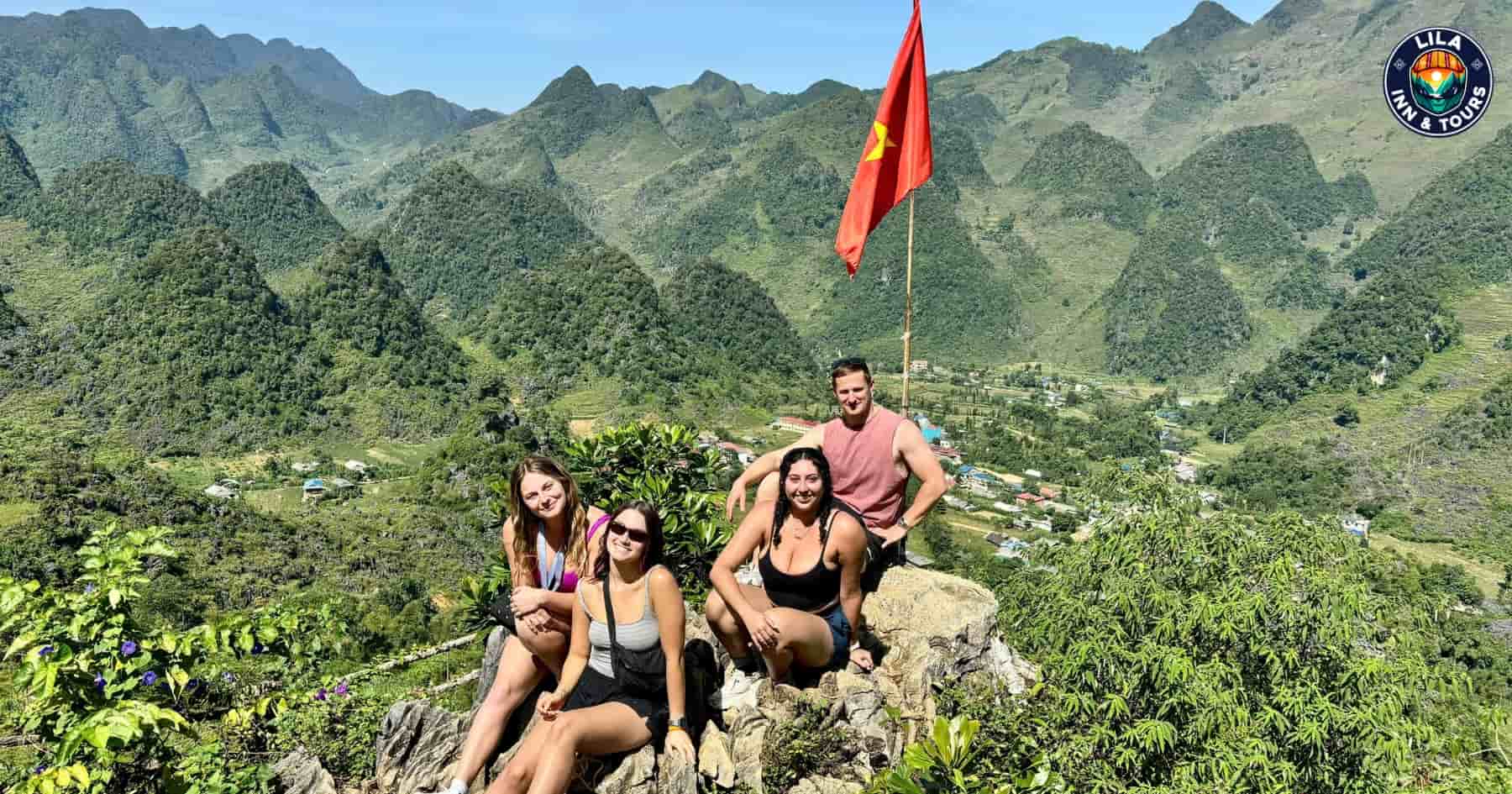
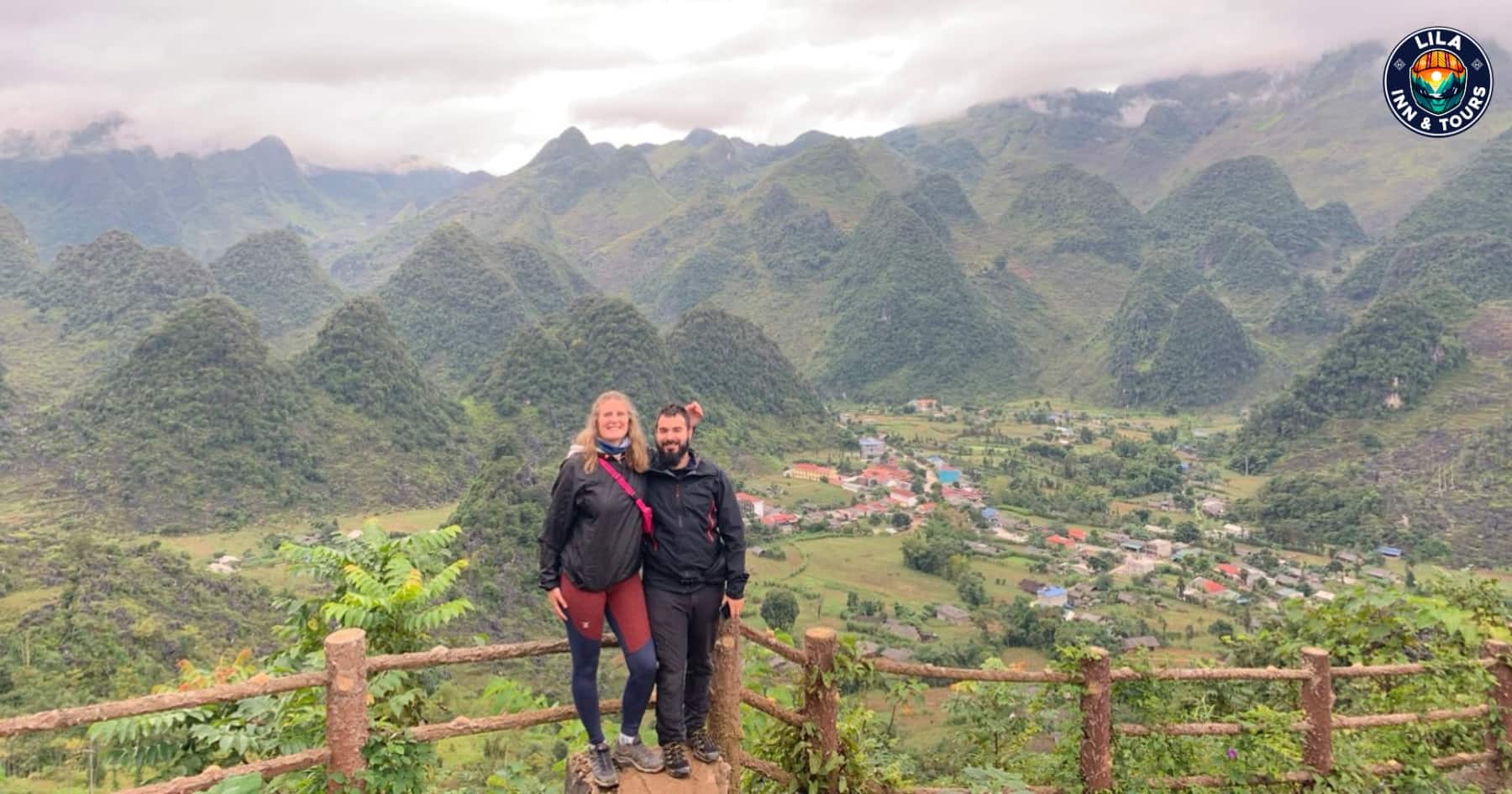
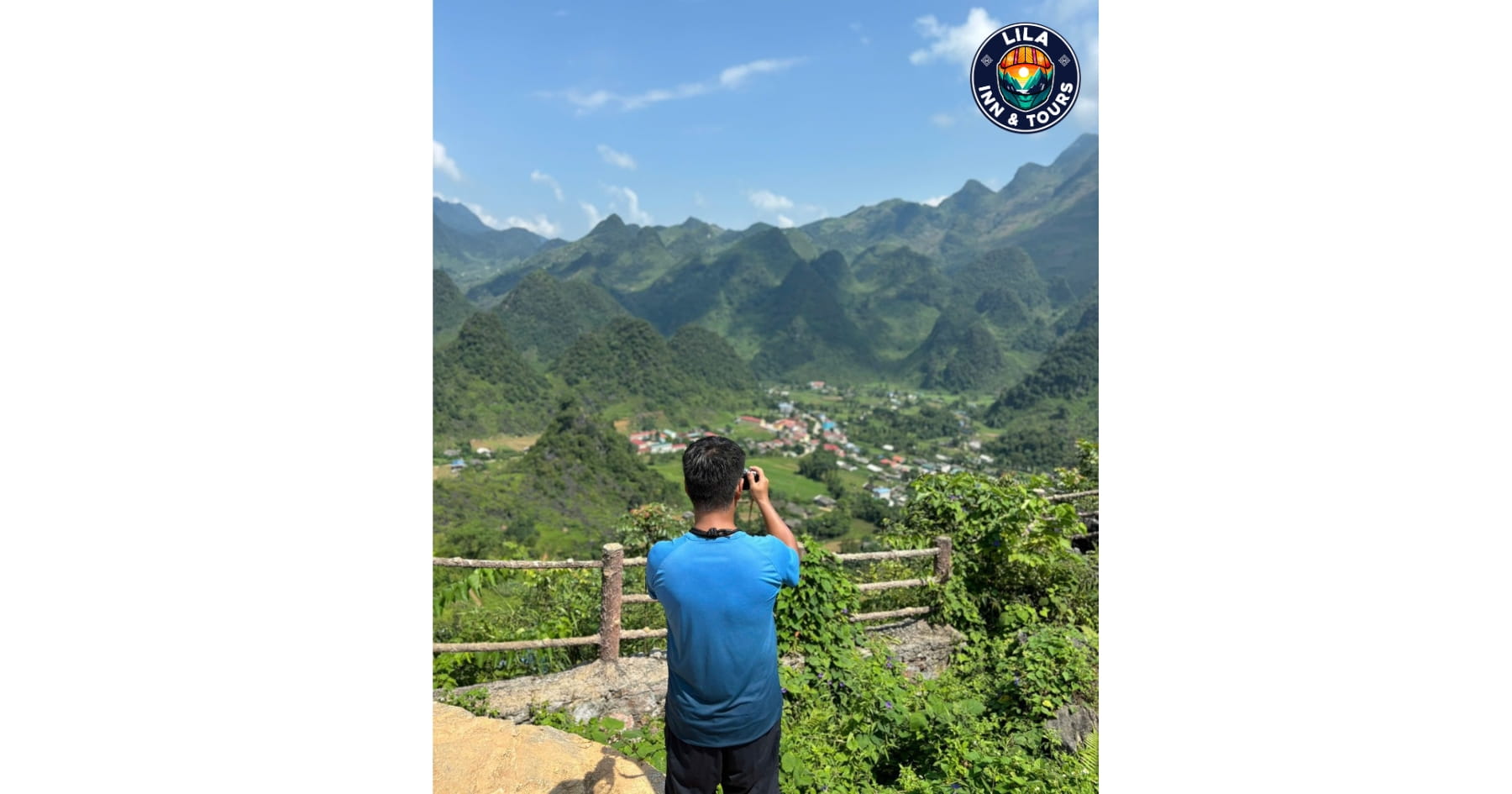
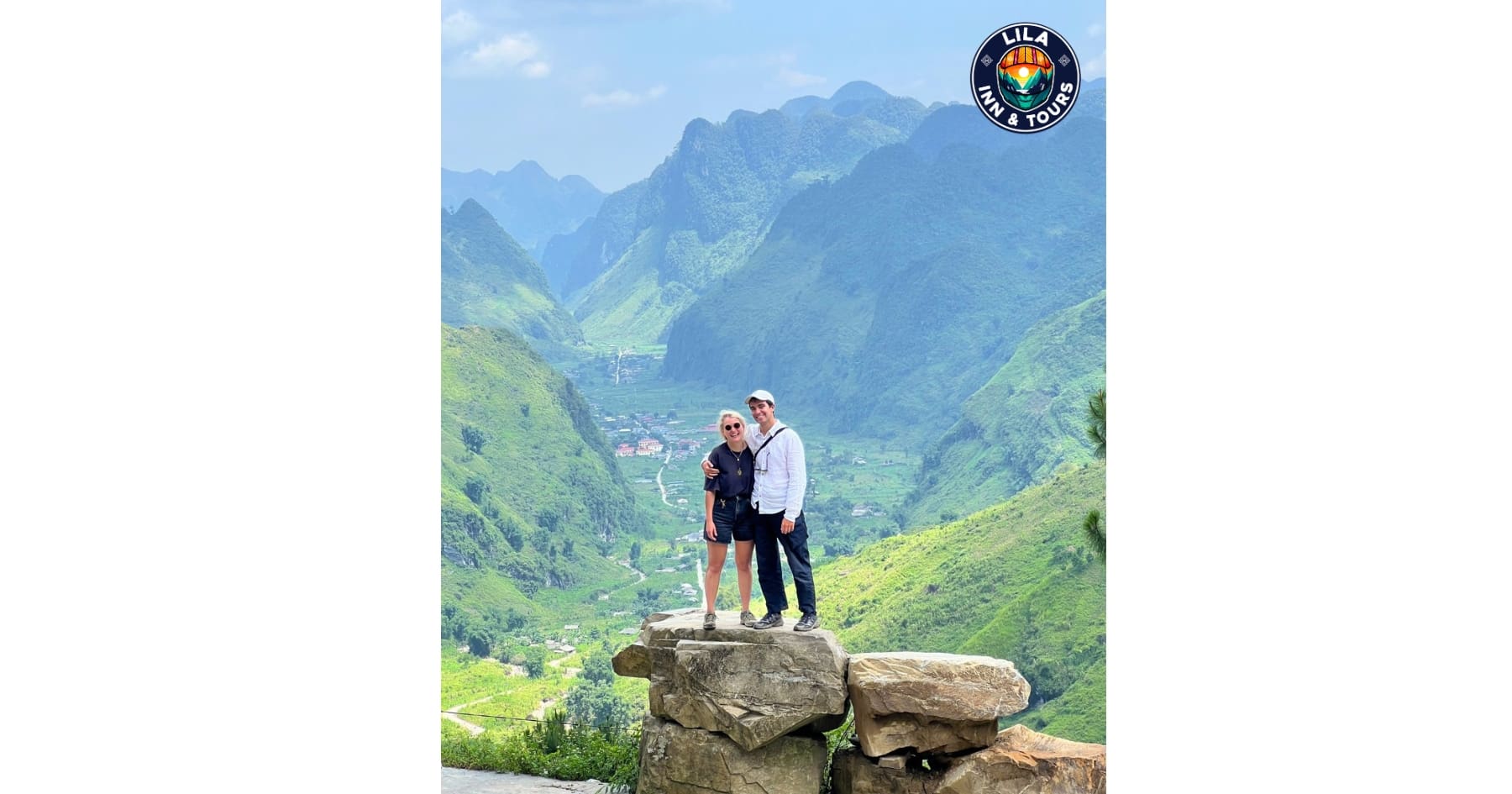
Looking from the high mountain passes above, you can take in the whole landscape at once, where small villages nest quietly in a wide green valley, surrounded by towering limestone mountains. These limestone structures, formed around 260–360 million years ago, are a key part of Ha Giang’s geological heritage.
From Yen Minh town, it’s about a 20 km ride southeast to reach Lung Ho. As you arrive, the valley opens up more clearly, with small “trinh tuong” houses set among gardens, rice fields, and green farmland stretching across the hillsides. The blend of ancient limestone mountains and soft natural scenery gives Lung Ho a landscape that feels both calm and impressive.
Beyond its natural beauty, Lung Ho is a place rich in culture, where ethnic groups like the Hmong, Tay, and Dao have lived side by side for generations. Each community has its own customs, traditions, and way of life.
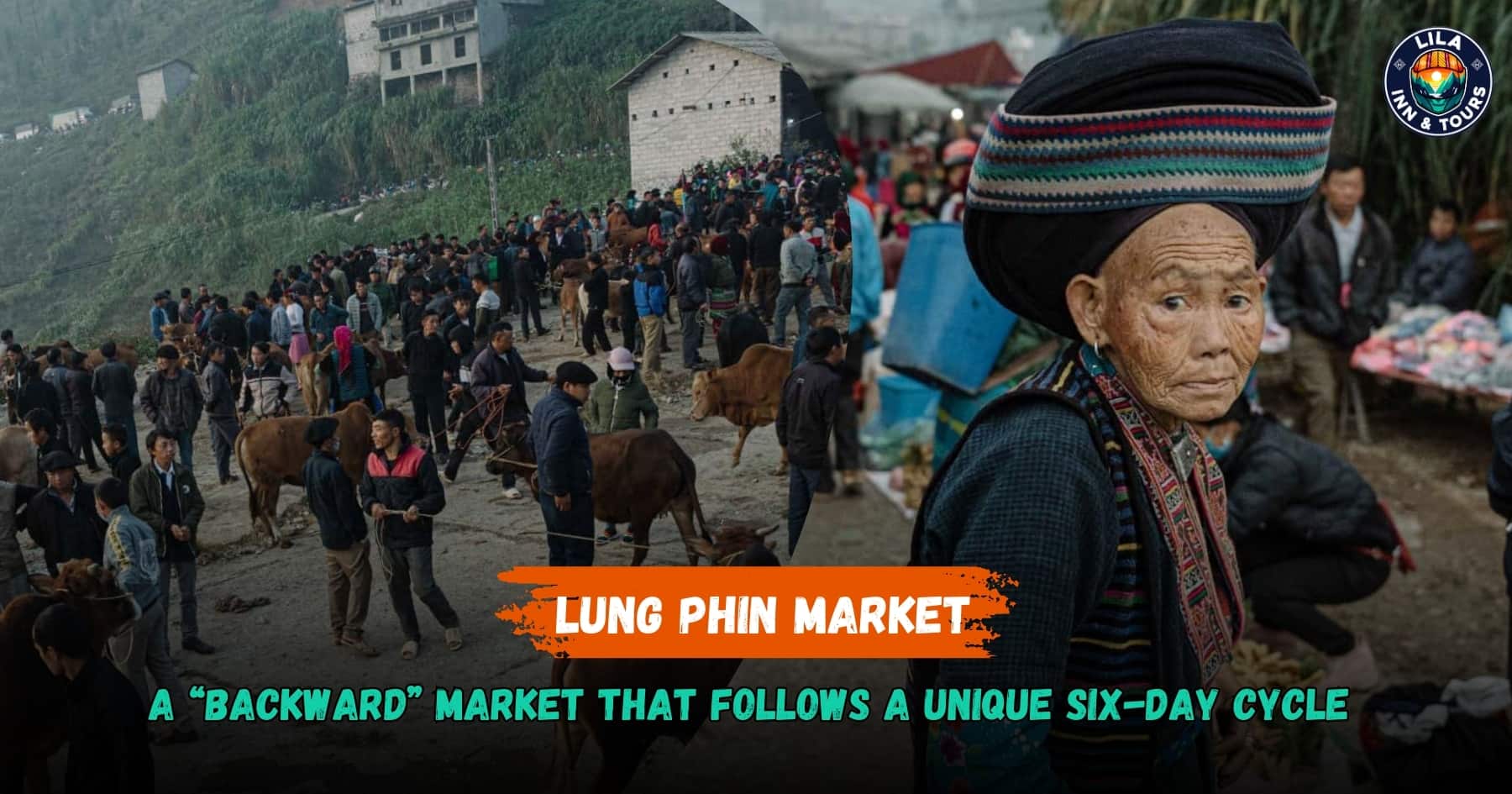
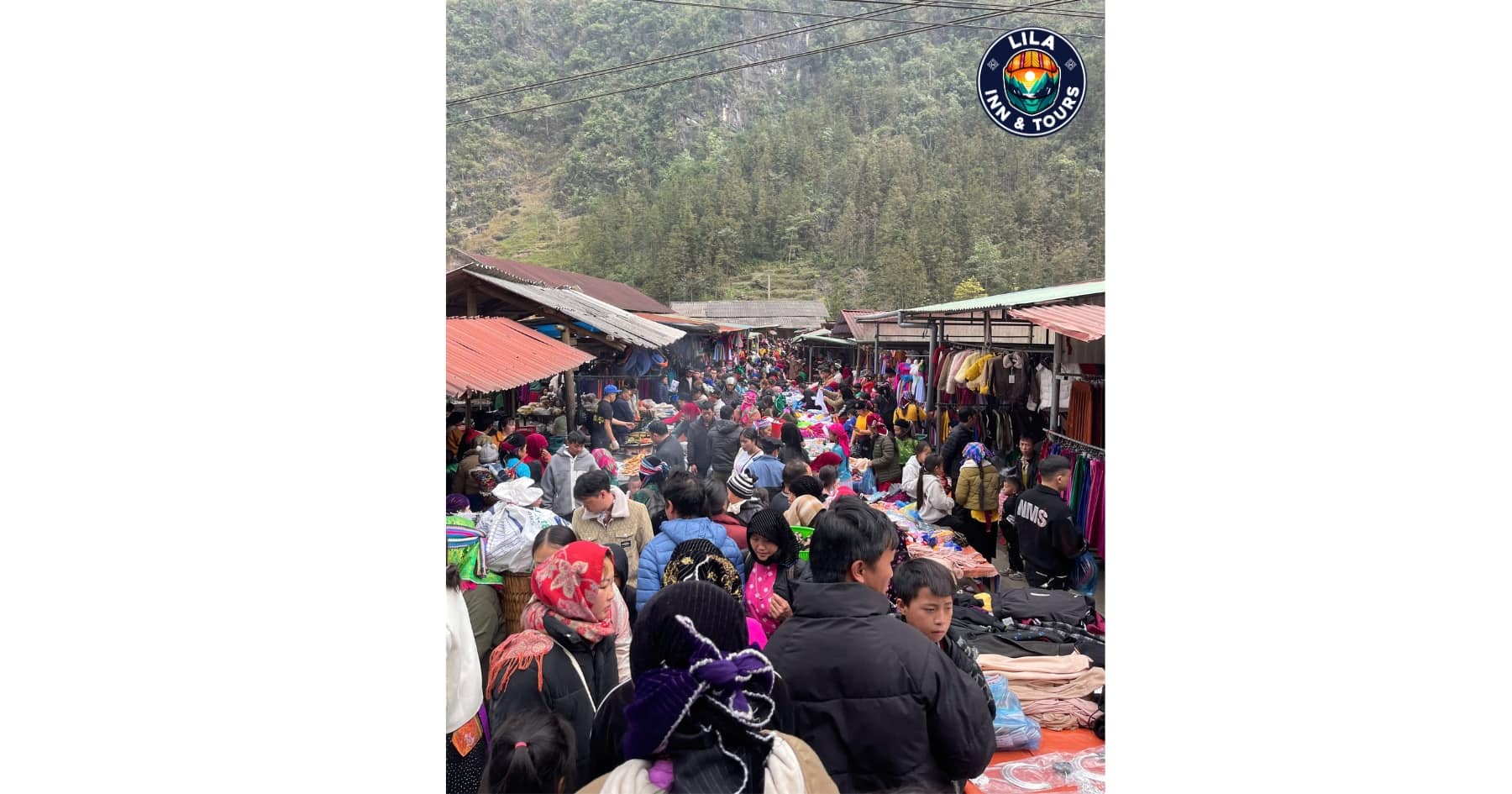
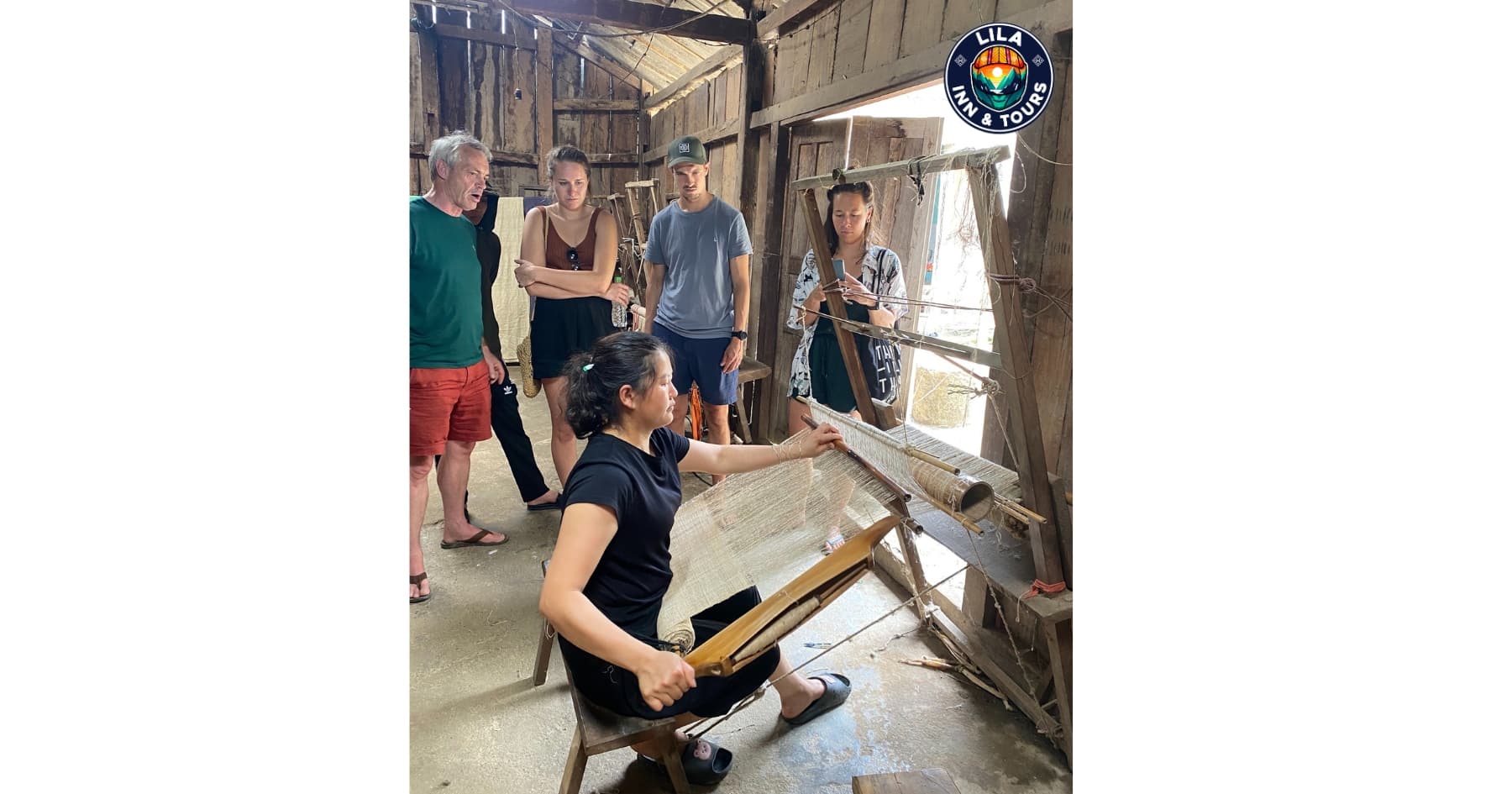
In addition to farming, local families still preserve the tradition of hand-weaving. The local market is held weekly, becoming a place where people come to trade, catch up with one another, and share moments of everyday life. It’s easy for you to meet friendly residents, learn about their daily lives, try their hand at traditional crafts, or join in their vibrant cultural activities. They are simple yet meaningful experiences that stay long in your heart.
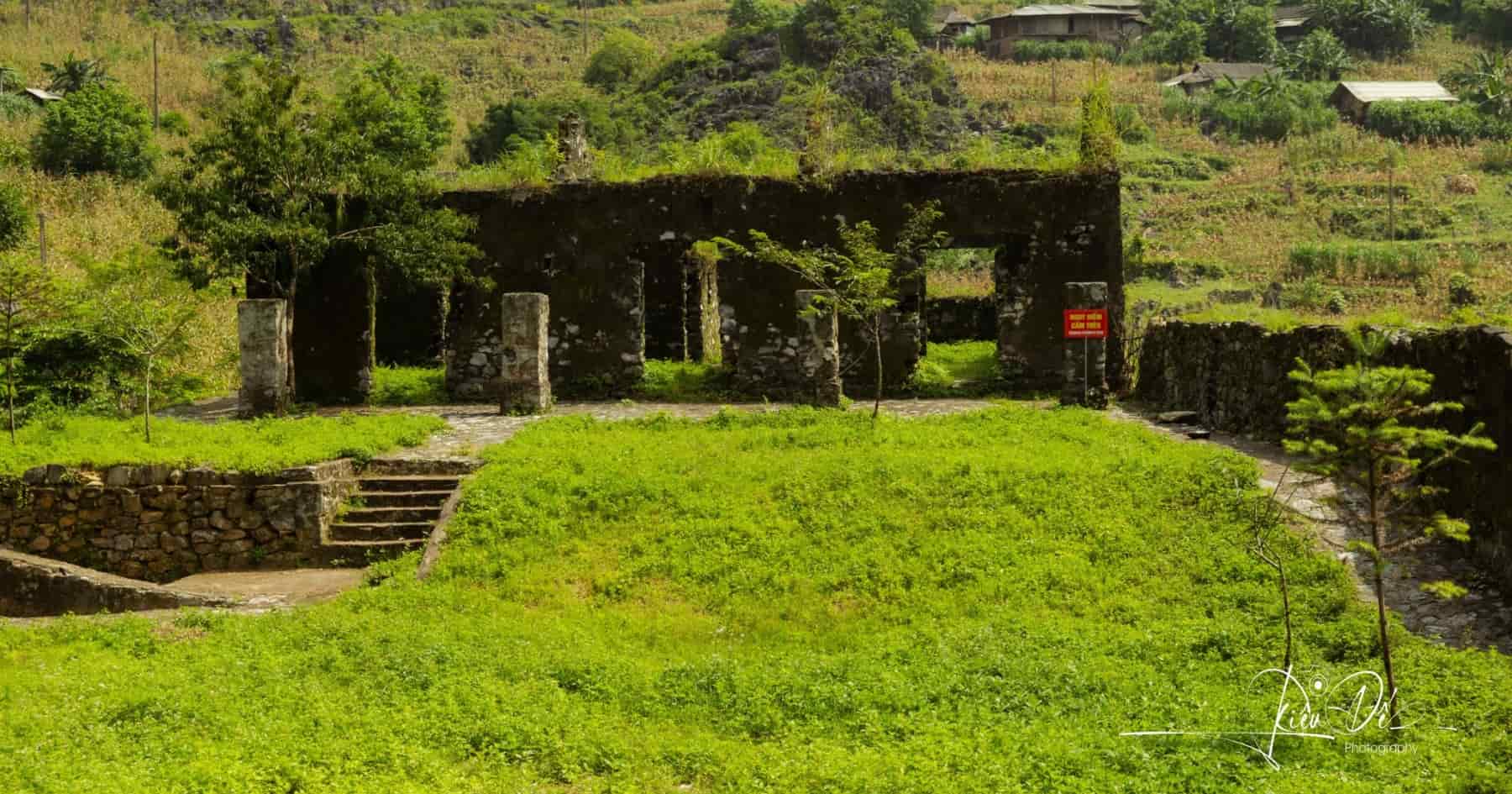
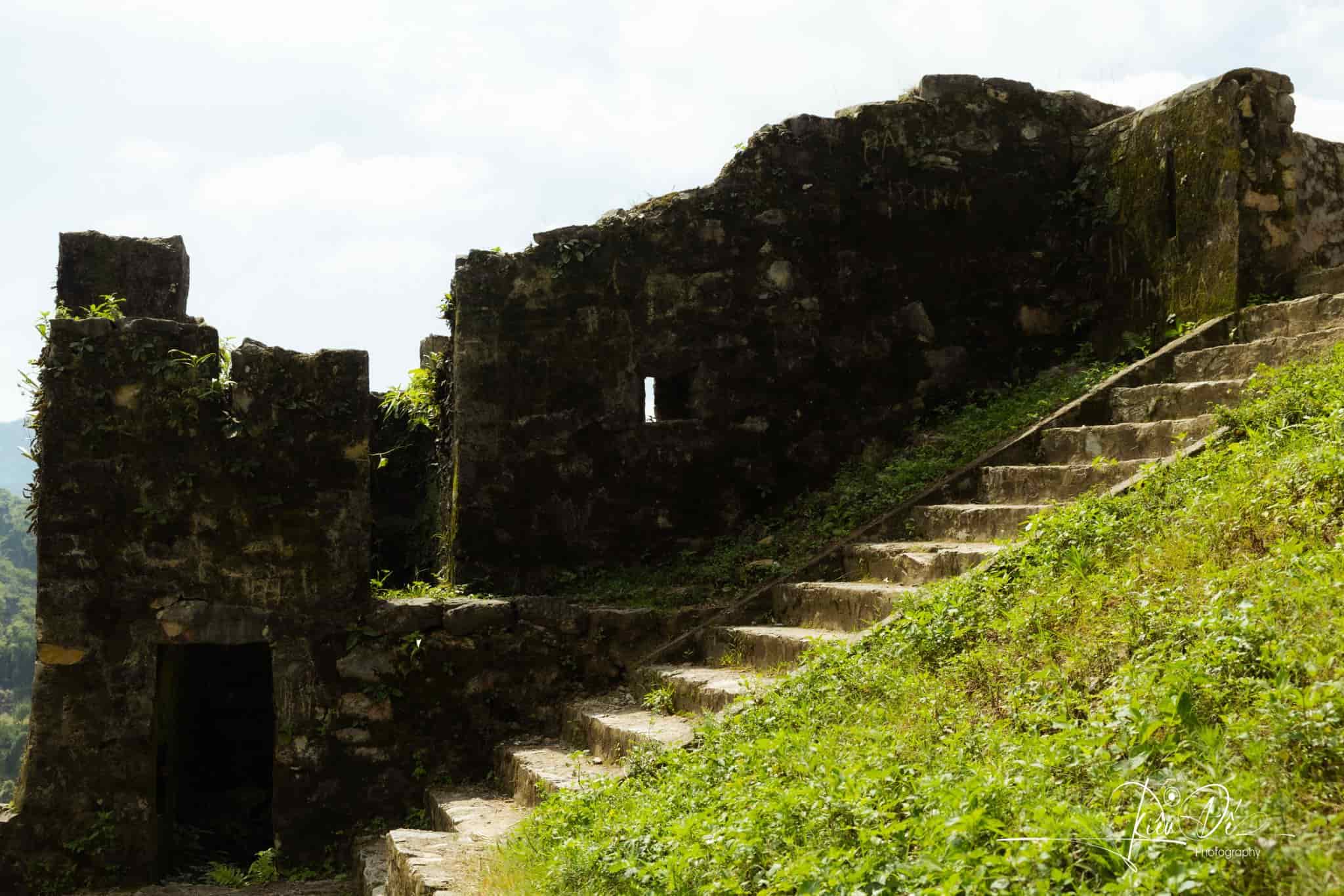
Lung Ho also holds traces of history worth exploring. It is renowned for two historical relics: the Lung Ho Fort and the Lung Ho Wall. Both of them were built by the French army between 1935 and 1940, designed to oversee and manage the movement of goods and people. Standing as remnants of the colonial era, these military installations reflect the resilience and strength of local communities who lived through that time. Nowadays, they become interesting stops for visitors to learn more about the region’s history.

Loved Lung Ho Valley? Keep going to Phong Nam Valley for an even deeper highland experience.
When is the best time to visit Lung Ho?

Lung Ho is beautiful year-round, but the best time to visit is from September to April, when the weather and landscapes are at their most enjoyable.
Lung Ho is best known for its extensive rice fields, making the valley particularly stunning in September and October, during the harvest season. Golden rice fields stretch across the valley, turning the entire landscape into a sea of warm yellow tones and making this one of the most visually striking times to visit.
After the harvest, the flower seasons gently take over from November to April. The valley slowly fills with colorful shades: purple buckwheat flowers, yellow mustard blooms, and soft pink peach and plum blossoms, adding a calm, beautiful rhythm to the hillsides and villages.
September to April also come with pleasant weather because it is Ha Giang’s dry season. Temperatures usually fall between 15°C and 25°C. Days are often sunny and clear, while mornings and evenings are cool, ideal conditions for traveling mountain roads safely and comfortably.
If you plan to visit in other months, it’s still possible, but extra preparation is needed. July and August fall in the peak rainy season, when mountain roads can become slippery and more challenging to travel.
How to get to Lung Ho Valley?
To get to Lung Ho Valley, you’ll first need to reach Ha Giang City. The easiest way to get there is by overnight bus, which usually takes about 8–9 hours. Most services use modern sleeper buses, so you can rest comfortably along the way.
Lila can help arrange bus travel from anywhere in northern Vietnam. Simply contact us, and we’ll take care of the booking for you.
Then, move from Ha Giang City to Lung Ho Valley.
From Ha Giang City, take National Highway 4C heading northeast through Quan Ba and Yen Minh. After passing Yen Minh town, continue for about 20 kilometers along the winding mountain road, and you’ll reach the peaceful valley of Lung Ho.
There are two main choices of transportation in Ha Giang:
- Join a guided tour: This option includes Easy Rider tours (riding on the back of a motorbike with a local driver), self-riding tours with a local guide (International Driving Permit required), and car tours.
- Rent a motorbike: This is the most adventurous option for confident riders who have an International Driving Permit.
Each mode of transportation offers its own unique experience, but based on our local expertise, the Ha Giang Loop Easy Rider Tour is by far the best choice. Sitting on the back of an experienced local driver’s motorbike, you can safely navigate Ha Giang’s challenging mountain passes while fully relaxing and soaking in the stunning scenery around you.
On the other hand, many travelers prefer to conquer the Ha Giang Loop on their own, especially those confident in their riding skills. If you’re not familiar with the route yet, you can check out our Ha Giang Loop Vietnam map to plan your journey.
Must-do experiences in Lung Ho Valley
From our experience, here are some of the best things to do in Lung Ho that will let you fully immerse yourself in the valley’s tranquil rhythm and authentic mountain life.
Capture the view of the valley
Lung Ho is known for its peaceful green landscape and is often described by travelers as a “little Switzerland” of Ha Giang. From the mountain road leading into the valley, you can easily stop by the roadside to take in a wide view of the village and surrounding hills. As you ride deeper into the small hamlets, slow down, take in the calm atmosphere, and capture a few photos to capture the quiet beauty of this place.
Explore the local market
Lung Ho’s market may not be as famous as other local markets in Ha Giang, but it offers a warm and authentic look into daily highland life. This is where H’Mong, Tay, and Dao villagers gather to trade fresh produce, handmade items, and simply spend time together. You can join the market to taste regional dishes, browse colourful handicrafts, and bring home a small souvenir. It’s a simple, friendly way to experience village life and support the local community.
Learn about traditional textile weaving
In Lung Ho, you’ll find some families who still practice hand-weaving the traditional way. The process is long and detailed: from preparing hemp fibers and dyeing them with natural indigo, to weaving the fabric and adding delicate patterns by hand. You can stop by local homes to watch how it’s done, and sometimes even try a small part of the process yourself. And if you buy a handmade piece directly from the artisan, it’s a good way to support their work and give you a unique souvenir to take home.
Visit the historic relics
Lung Ho is also home to two quiet but meaningful historical sites: the old Lung Ho Fort and the Lung Ho Wall, built by the French between 1935 and 1940. These stone structures were once used to control movement through the area, but today only parts of them remain. It’s a lovely opportunity for you to explore these sites, learn about the region’s past, and enjoy peaceful views over the valley.
Where to stay near Lung Ho Valley?
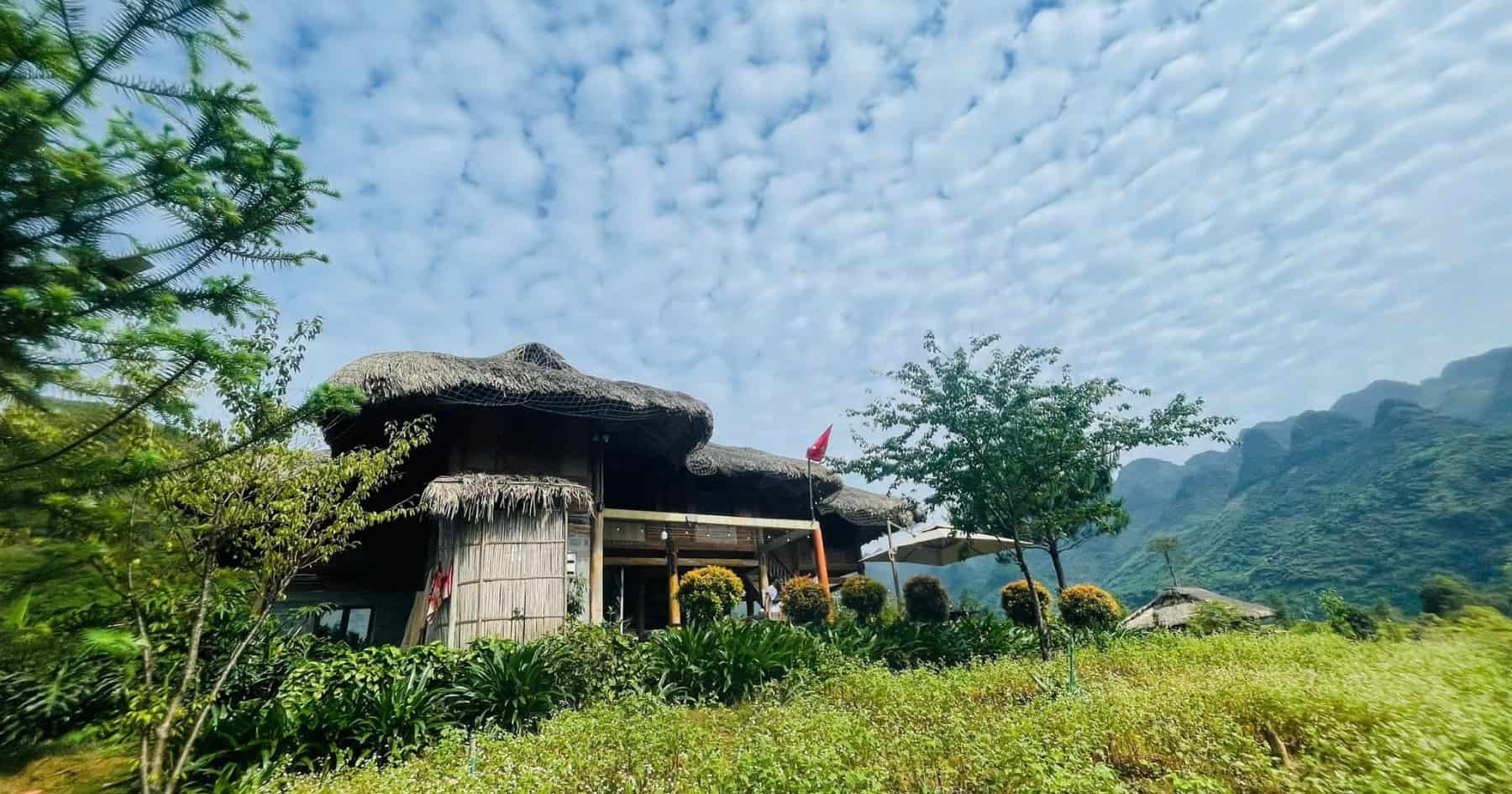
If you’re looking for a place to stay right in the heart of Lung Ho, here are a few simple homestays to consider. They may be basic, but they cover the essentials and are more than enough for a comfortable overnight stop.
Lung Ho motel & homestay
Lung Ho motel & homestay is located right beside the Lung Ho Market, offering a simple and welcoming place to stay. It is known for the friendly hosts who cook home-style meals and make you feel welcome during your stay. Rooms are basic but comfortable, with options ranging from private doubles to dormitory beds, some of which offer mountain views or a shared balcony where you can relax and enjoy the scenery.
Motel & homestay Van Toan
Motel & Homestay Van Toan is a budget-friendly accommodation option located in Lang Cac, just opposite the entrance to the Lung Ho market. The rooms are simple and air-conditioned. Some rooms also offer family-sized options with space for groups or friends. You can enjoy breakfast and meals at the on-site restaurant. It’s a convenient base for exploring the valley and the nearby market.
Duong Thuong Eco House
Duong Thuong Eco House is a small, charming homestay near Duong Thuong Valley, surrounded by mountains and open countryside. The house is built in a traditional local style, clean, and full of simple character. There is a wide range of rooms from basic doubles and mountain-view terraces to larger shared or family options. Rooms are basic but cozy, with beautiful mountain views that make mornings especially peaceful.
Accommodation options in Lung Ho are quite limited. If you’re looking for more choices, it’s worth heading about 10 km further toward Du Gia, where you’ll find a wider range of places to stay, from simple homestays to more comfortable retreats. There are some great options that you can consider, such as To Day Du Gia Village Retreat, Muong Tra Garden Homestay, Wild Orchid – Lan’s Home, and Na Lien View Homestay.
Where to go after visiting Lung Ho Valley?
If you have extra time, extend your journey beyond Lung Ho to visit several nearby attractions. These spots are perfect additions to make your Ha Giang adventure even more complete and memorable.
Mo Coi Stone
Mo Coi Stone is a quiet, lesser-known stop, about 5km from Lung Ho center. Standing alone in the middle of open fields and mountain scenery, this large natural stone is tied to local legends and rural life. It is an interesting cultural landmark for visitors to explore rather than a dramatic attraction.
Duong Thuong Valley
Just 9km from Lung Ho, Duong Thuong Valley is a scenic valley that is known for its open landscapes, green hills, and peaceful village life. The valley is perfect for slow activities, such as riding through on a motorbike or bicycle, stopping for photos, and enjoying the fresh air and wide views. It’s a perfect spot to experience the untouched beauty and serene atmosphere of Ha Giang’s mountains.
Du Gia Waterfall
About 15km from Lung Ho, Du Gia Waterfall is a quiet natural spot tucked away in the mountains of Du Gia Commune. It’s known for its clear water, green surroundings, and peaceful atmosphere, making it a refreshing stop on the Ha Giang Loop. The waterfall offers small emerald pools where visitors often cool off with a swim or simply sit by the water and relax. Unlike more crowded attractions, Du Gia feels laid-back and local, giving you a chance to enjoy nature up close.
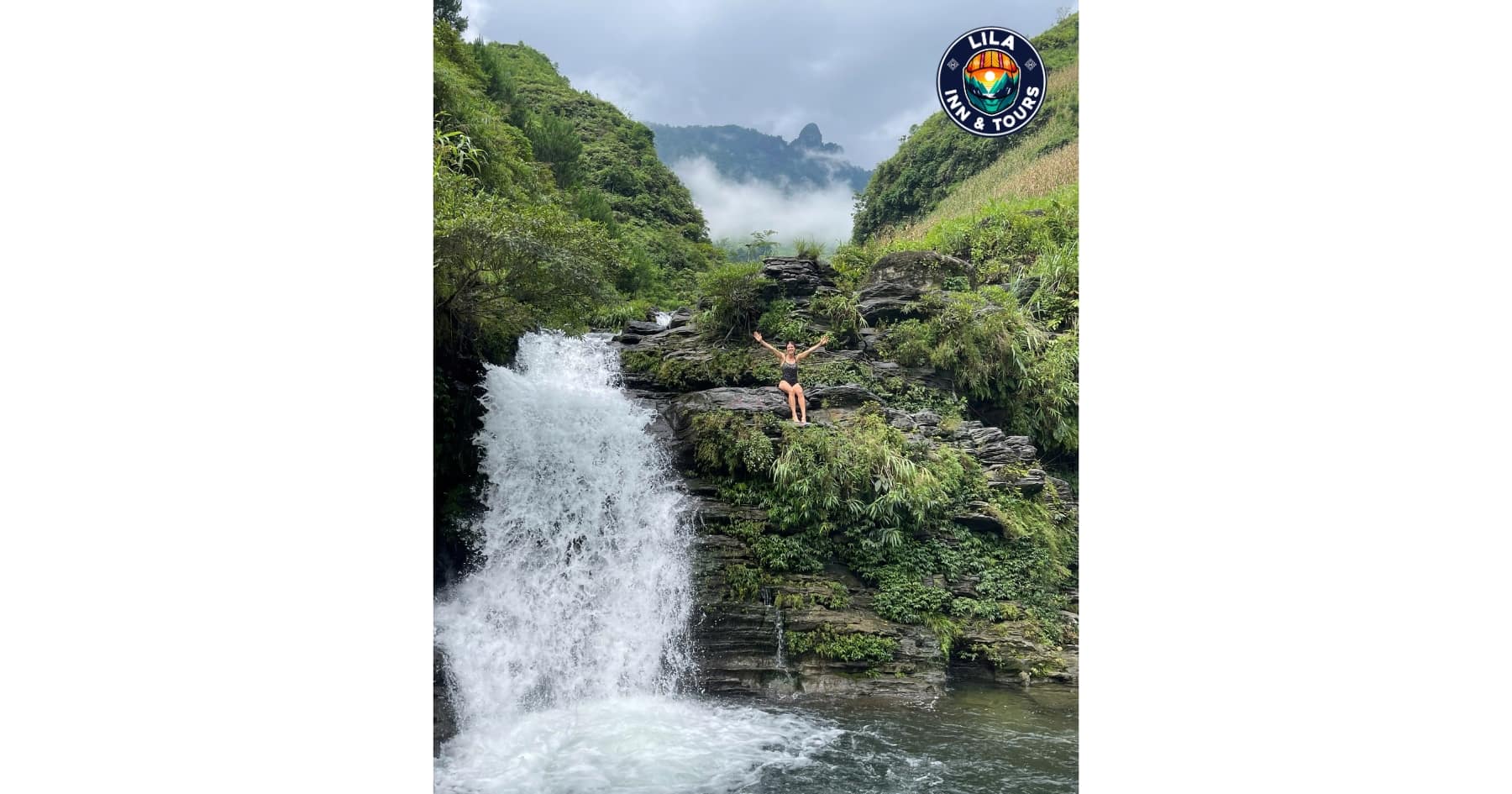
Mau Due Viewpoint
Mau Due Viewpoint is a beautiful stop along the road, where you can look out over the town of Mau Due and the surrounding mountains. It’s an easy place to pull over, take a break, and enjoy the view of winding roads, green valleys, and limestone hills. Many travelers stop here to rest, snap a few photos, and soak in the scenery before continuing their journey through this quiet part of the Ha Giang Loop.
Beyond the places mentioned above, you can also explore many other beautiful spots around Ha Giang, such as Nam Dam Village, a well-known community tourism village famous for its traditional “trinh tuong” houses, and Lung Tam Linen Village, where the region’s traditional hemp weaving craft is still carefully preserved. These places offer a deeper look into local culture, daily life, and the traditions of the highland communities.
Experience of exploring Lung Ho Valley

To make your trip to Lung Ho Valley safer, smoother, and more enjoyable, Lila has gathered a few practical tips based on our 8 years of experience guiding tours on the Ha Giang Loop.
- Choose the right season & check the weather: The best time to visit Lung Ho is from September to April, when flowers bloom through different seasons, and the village looks its most beautiful. Always check the weather forecast before you go, as the mountain roads can become slippery and more difficult after rain.
- Pack smart & dress in layers: Bring only what you need to keep your bag light and easy to carry. Evenings in Lung Ho can be cool, so a warm jacket is a must. Dressing in layers will help you stay comfortable as temperatures change during the day.
- Carry cash: ATMs are very limited in remote mountain areas. Bring enough cash for local markets, small eateries, and roadside stops.
- Respect local culture: Lung Ho is home to important historical and cultural sites. When visiting, you should be respectful, avoid stepping on or damaging relics, and treat these places with care.
- Respect nature: Leave no trace. Always take your trash with you, especially if you’re camping or stopping in natural areas.
Explore Lung Ho Valley with Lila Inn & Tours
Although not as famous as some other spots in Ha Giang, Lung Ho has a unique charm that travelers won’t want to miss. This peaceful land not only offers Ha Giang’s signature scenic beauty but also tells you stories about the region’s proud history and culture.
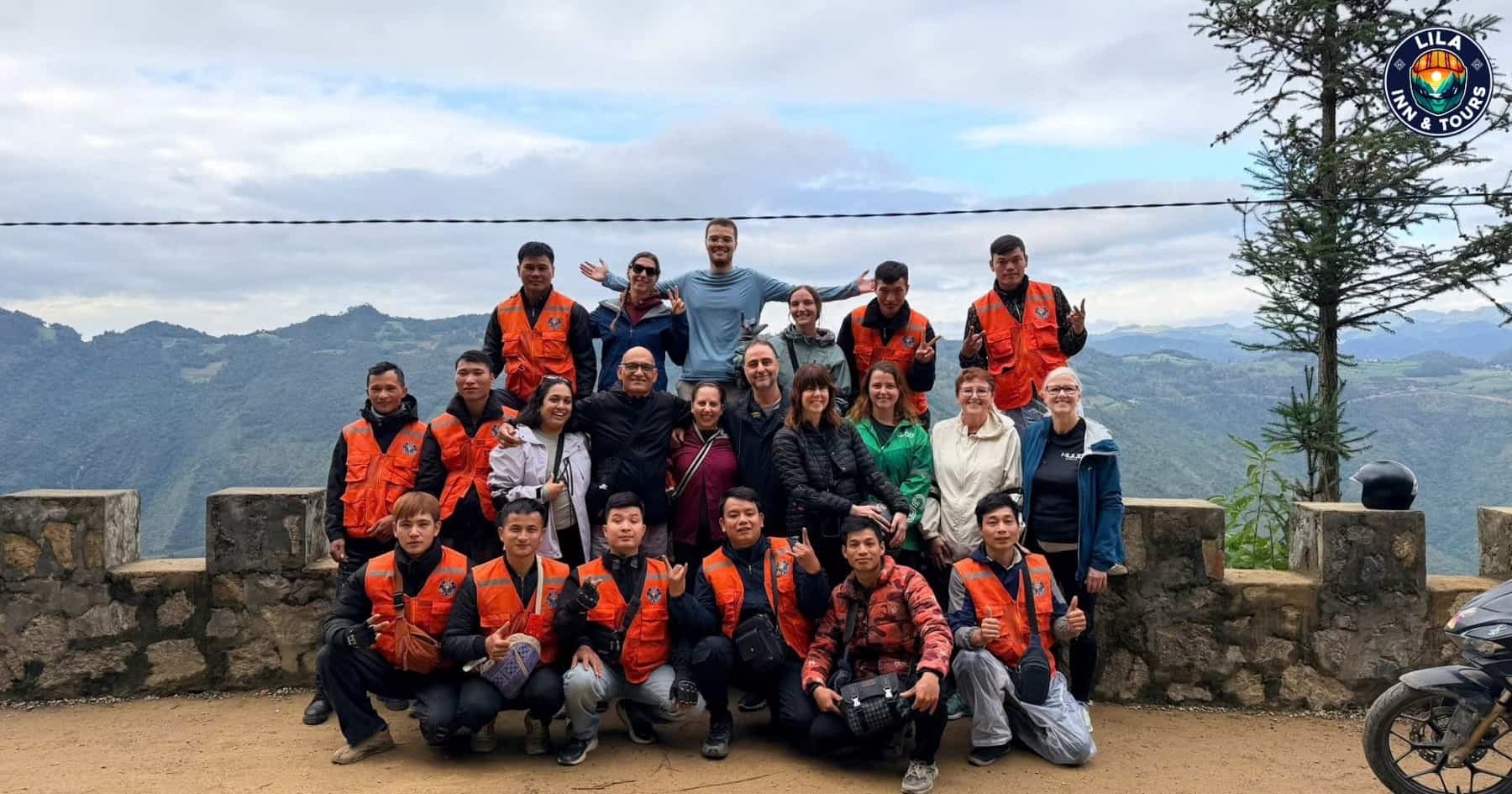
As a trusted local tour company with over 8 years of experience guiding Ha Giang tours, Lila Inn & Tour is here to offer worry-free Easy Rider tours, which take you to Lung Ho valley with everything prepared for you.
We focus on three key priorities to keep your journey safe and enjoyable:
- Safety first with Easy Riders who have over 5 years of riding experience, are professionally trained, and strictly follow safety rules: no overtaking on bends, no riding side-by-side, and never exceeding speed limits.
- Small group tours with fewer than 10 travelers, allowing us to better care for each guest’s experience while ensuring the privacy and personal space you deserve.
- Off-the-beaten-path adventures that take you to lesser-known places most tourists never reach.
At Lila, Lung Ho is always one of the special stops on our tours, offering visitors a chance to slow down and experience a different, quieter side of Ha Giang’s mountains.
If you’re ready to explore Lung Ho Valley, take a look at our Ha Giang Loop 4 day itinerary. Our experienced local Easy Riders will take you on a safe, exciting, and unforgettable journey through the peaceful landscapes of Ha Giang.
Conclusion
More than just a beautiful place for sightseeing, Lung Ho is a peaceful valley that invites you to connect with the culture, history, and everyday life of Ha Giang’s highland communities. If you enjoy meeting local people and hearing the stories behind the land, Lung Ho is a stop you shouldn’t miss on your Ha Giang Loop journey. Feel free to reach out to Lila to learn more about our tours that lead you safely and enjoyably to Lung Ho.
Get your Free Ha Giang Loop Guide Plan your dream trip with our Free guide, including suggested itineraries, top attractions, safety tips, and local insights from Lila Inn & Tours
Frequently Asked Questions – FAQs
- When is the best time to visit Lung Ho Valley?
The best time to visit is from September to April, when the weather is pleasant, and the scenery is at its most beautiful with golden rice terraces, blooming peach and plum blossoms, and fields of buckwheat flowers. - Can I stay overnight in Lung Ho Valley?
Yes, you can stay overnight in Lung Ho, but accommodation options within the valley itself are limited. There are a few small motels and homestays in the commune, simple yet comfortable. Many travelers choose to stay in nearby Yen Minh town or other surrounding communes, which offer more lodging options while keeping you close to the valley. - Is the road to Lung Ho difficult to find?
The road is paved and well-marked along National Highway 4C, but it’s winding through the mountains, so traveling by motorbike or private car is recommended. - Do you need to pay to visit the historical sites?
No, there’s no entrance fee. These sites aren’t managed or ticketed, so you’re free to visit them at any time. But remember to be respectful, treat the ruins with care, and avoid damaging the structures.