


Na Tenh Pass is one of Cao Bang’s most breathtaking mountain roads, famous for its 20 winding curves flowing through golden rice terraces and peaceful highland villages. Though it is less dramatic than Khau Coc Cha, the pass offers a perfect mix of adventure, nature, and local culture in Northeast Vietnam.
Planning to visit Na Tenh Pass? Here’s everything you need to know, from the best time to go, how to get there, to the highlights you shouldn’t miss.
Let’s explore!
What to know about Na Tenh Pass?
Na Tenh Pass is one of the most beautiful and still relatively untouched mountain passes in Northeast Vietnam. It is located in Can Nong Commune, Ha Quang District, along the same route as the famous Khau Coc Cha Pass, which connects Ha Giang and Cao Bang.
The pass is around 2.5 kilometers long and features about 20 winding curves that snake gently along the mountainside, creating the image of a soft ribbon crossing through the forested hills. Compared to some of Cao Bang’s more dramatic mountain passes, Na Tenh is considered easier to ride thanks to its smoother road surface, moderate slope, and less aggressive turns.
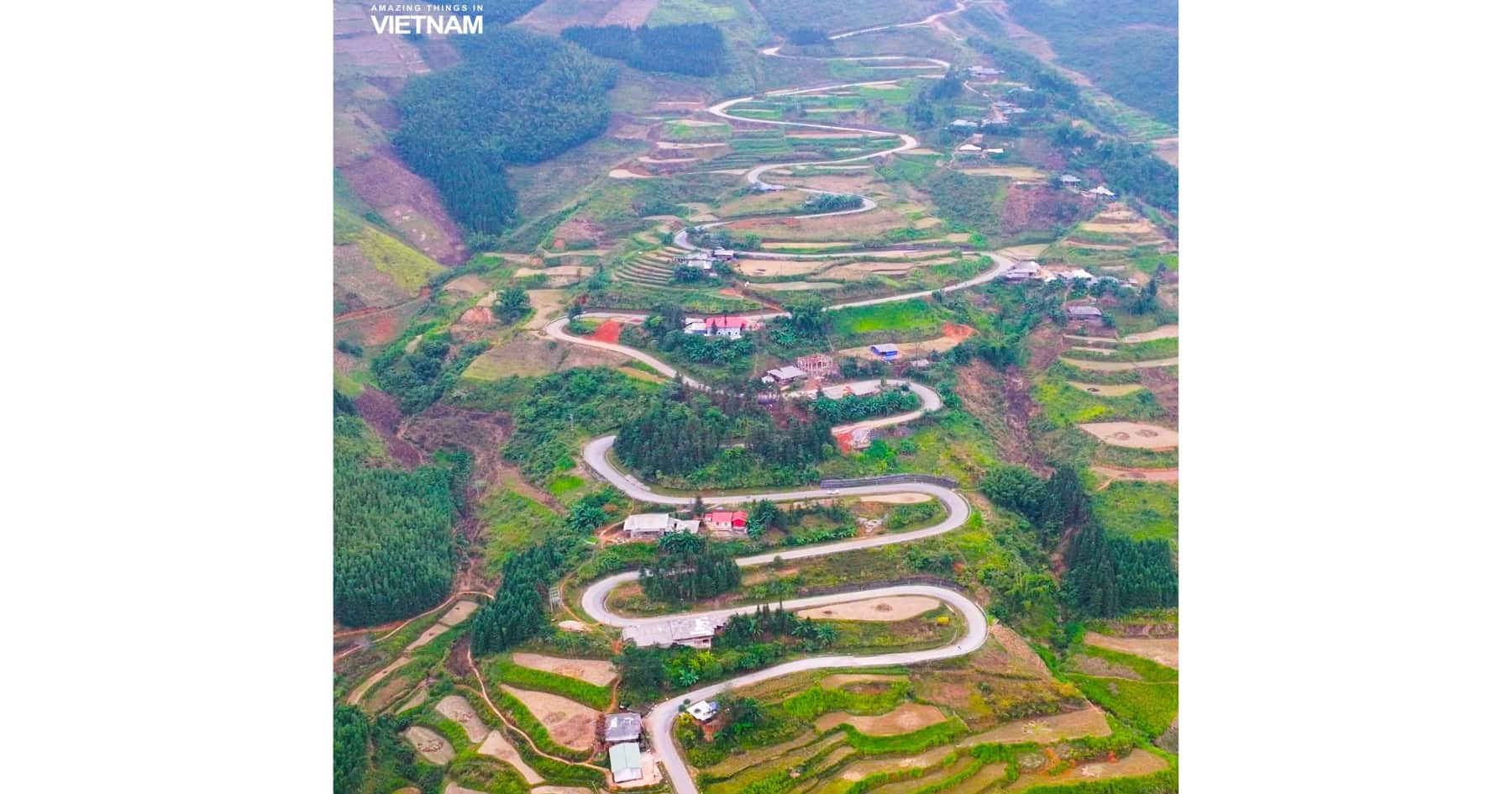
What makes Na Tenh special is not only the experience of riding through these 20 bends, but also the peaceful scenery surrounding the pass. Instead of steep rocky cliffs, the landscape here is filled with terraced rice fields, green corn farms, and small traditional houses of the Dao and Tay people.
During the rice harvest season, the entire pass glows in shades of golden yellow against the backdrop of Northeast Vietnam’s mountains. In the Tay language, “Na Tenh” means “high field,” named after a small local hamlet and reflecting the area’s agricultural landscape.
Beyond its natural beauty, Na Tenh Pass is also connected to a poetic local legend. According to the story, there was once a beautiful young girl named Na Tenh who was well known for her graceful folk singing. She sacrificed herself and transformed into a soft silk ribbon embracing the mountainside, creating an easier path for local people and bringing better harvests to the land.
Today, when the morning mist drifts around the mountains at sunrise, local elders still tell their children that it is Na Tenh, the girl watching over the villages, keeping the land peaceful and safe.

Obsessed with Na Tenh's curves? Discover the absolute wildest Ha Giang Loop Pass routes you need to tackle next!
When is the best time to do Na Tenh Pass?

As mentioned earlier, Na Tenh Pass is at its most beautiful during September and October, which is the rice harvest season in Cao Bang. At this time, the entire pass is surrounded by golden terraced rice fields, creating an incredibly scenic landscape. When riding through the winding road, you can enjoy the peaceful views on both sides, which is truly an unforgettable experience.
You can also visit Na Tenh Pass between November and April, during the dry season. The weather is generally cool, pleasant, and less rainy, making the mountain roads safer and easier to travel.
How to get to Na Tenh Pass?
- From Ha Giang
The easiest way to reach Na Tenh Pass is to include it in an extended Ha Giang Loop journey. This route starts from Ha Giang City and passes through famous destinations such as Quan Ba, Dong Van, and Meo Vac before crossing into Cao Bang Province
From Meo Vac, follow National Road 34 toward Bao Lac Town. After crossing the famous 15-level Khau Coc Cha Pass, continue for another 15 kilometers to reach Na Tenh Pass.
Planning your ride? Learn more about the
Ha Giang Loop length and route details here.
- From Cao Bang
A less common option is to travel from Cao Bang City. From the city center, head northwest along National Road 3, then continue onto National Road 4A toward the border area. Na Tenh Pass is located near the boundary between Ha Quang District and Bao Lac District.
If you want to experience the full Ha Giang Loop and Na Tenh Pass, there are two choices of transportation.
One option is to join a guided tour, which is perfect if you want a smoother, more comfortable experience. You can ride with an Easy Rider, a local driver who handles the mountain roads while you enjoy the scenery. Families and small groups may also prefer a private car tour for added comfort and flexibility.
For those who enjoy adventure and feel confident riding in the mountains, renting a motorbike is the more independent choice. Just make sure you know the route well, and you have a valid International Driving Permit.
Need to
Ha Giang Loop Map, this is for you
Top things to do on your journey to Na Tenh Pass
On your journey to Na Tenh Pass, take your time to soak in the breathtaking landscapes, discover the rich local culture, and savor distinctive regional flavors. Here are a few highlight activities worth exploring.
Stop for the views and take photos
There are several great stopping points along Na Tenh Pass where you can admire the surrounding mountains and terraced rice fields from above. Some spots also offer wide views over the peaceful and picturesque Xuan Truong Valley. Take your time to enjoy the scenery and capture a few memorable photos during the journey.
Discover the history of the area
On a nearby mountaintop, there is an old stone fortress dating back to the French colonial period. As the mountain has its strategic location overlooking the border region, the French once built bunkers and defensive structures here to control the surrounding area. The road to the fortress is not easy, so it is best to go with a local guide who can lead the way and share more fascinating stories about the history of the region.
Taste the local food
Traveling through Na Tenh Pass is a great opportunity to try some well-known Cao Bang specialties such as seven-spice roast duck, smoked sausages, sour pho, black olive sticky rice, steamed rice rolls, khau nhuc, and black jelly dessert. You can stop at small roadside restaurants or visit nearby towns and local markets to enjoy these traditional dishes.
Ready for the ultimate rush? Conquer
Ma Pi Leng Pass , the most spectacular ha giang loop pass!
Where to stay near Na Tenh Pass?
Around 10–15 km from Na Tenh Pass, there are a few local places where you can rest and stay overnight. Here are some stays that Lila has carefully checked and recommends for your trip.
Nhat Phat Homestay
This is a simple but cozy roadside stay, ideal for travelers looking for a convenient place to rest. The rooms are small yet equipped with essentials such as hot water, fans, and strong wifi, offering a comfortable overnight stop. It is best known for the warm hospitality of the owner, who is incredibly friendly and even happy to cook home-style meals for guests arriving late or without dinner plans.
Bo Ho Homestay (Lakeside Homestay)
Bờ Hồ Homestay is a peaceful and secluded lakeside stay surrounded by towering mountains and lush green nature. Guests can enjoy home-cooked meals at the homestay, take peaceful walks around nearby rice fields, and even pick seasonal fruits along the way. The hosts are very friendly and always willing to help guests with anything they need.
Lan Huong Guesthouse
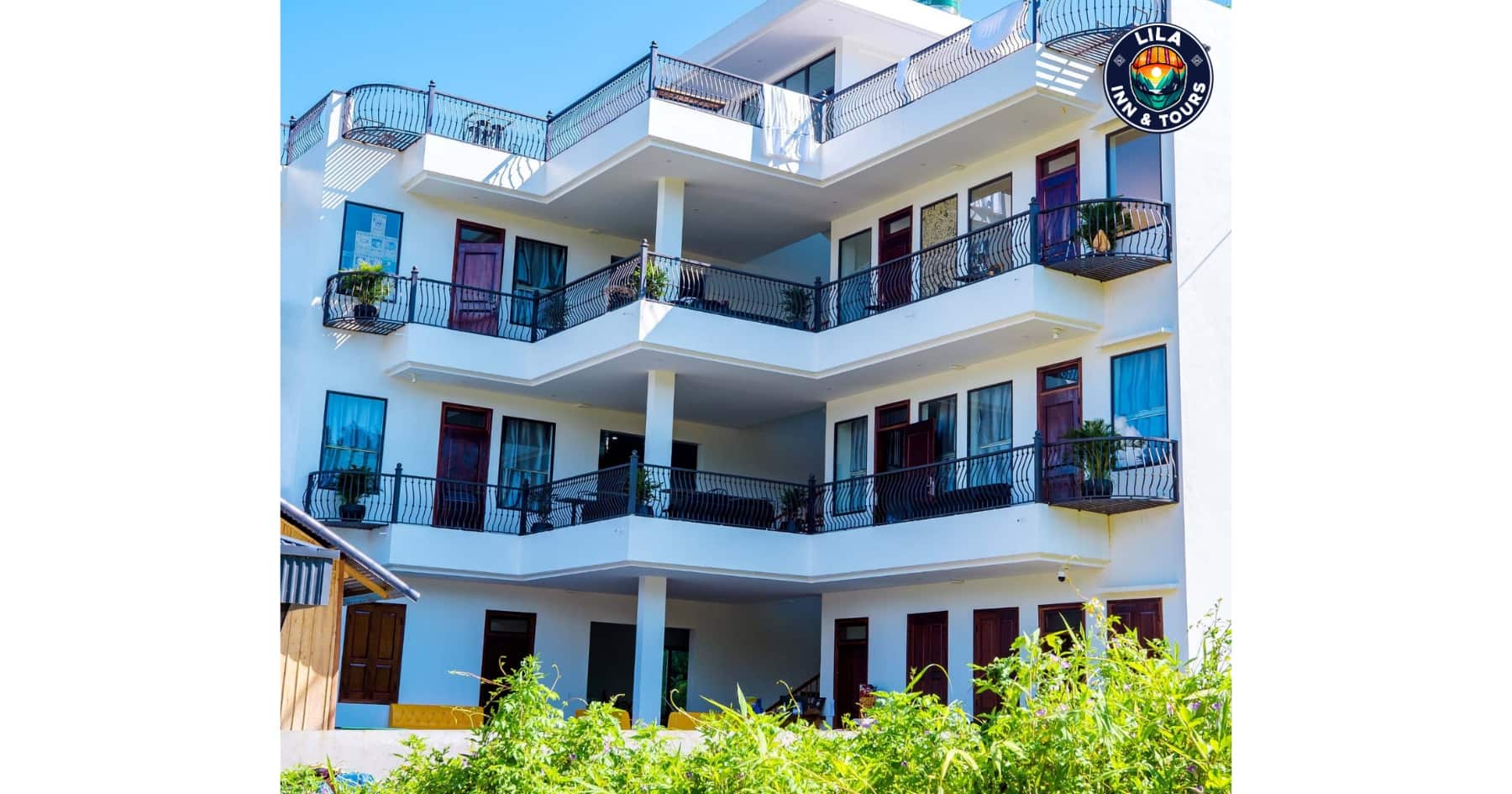
Lan Huong Guesthouse offers spacious and clean rooms with a comfortable, airy atmosphere, making it a convenient stop for travelers exploring Cao Bang. The guesthouse has plenty of rooms, parking space for cars, and useful facilities such as a rooftop laundry and drying area for guests staying longer on the road.
Where to explore beyond Na Tenh Pass?
Khau Coc Cha Pass
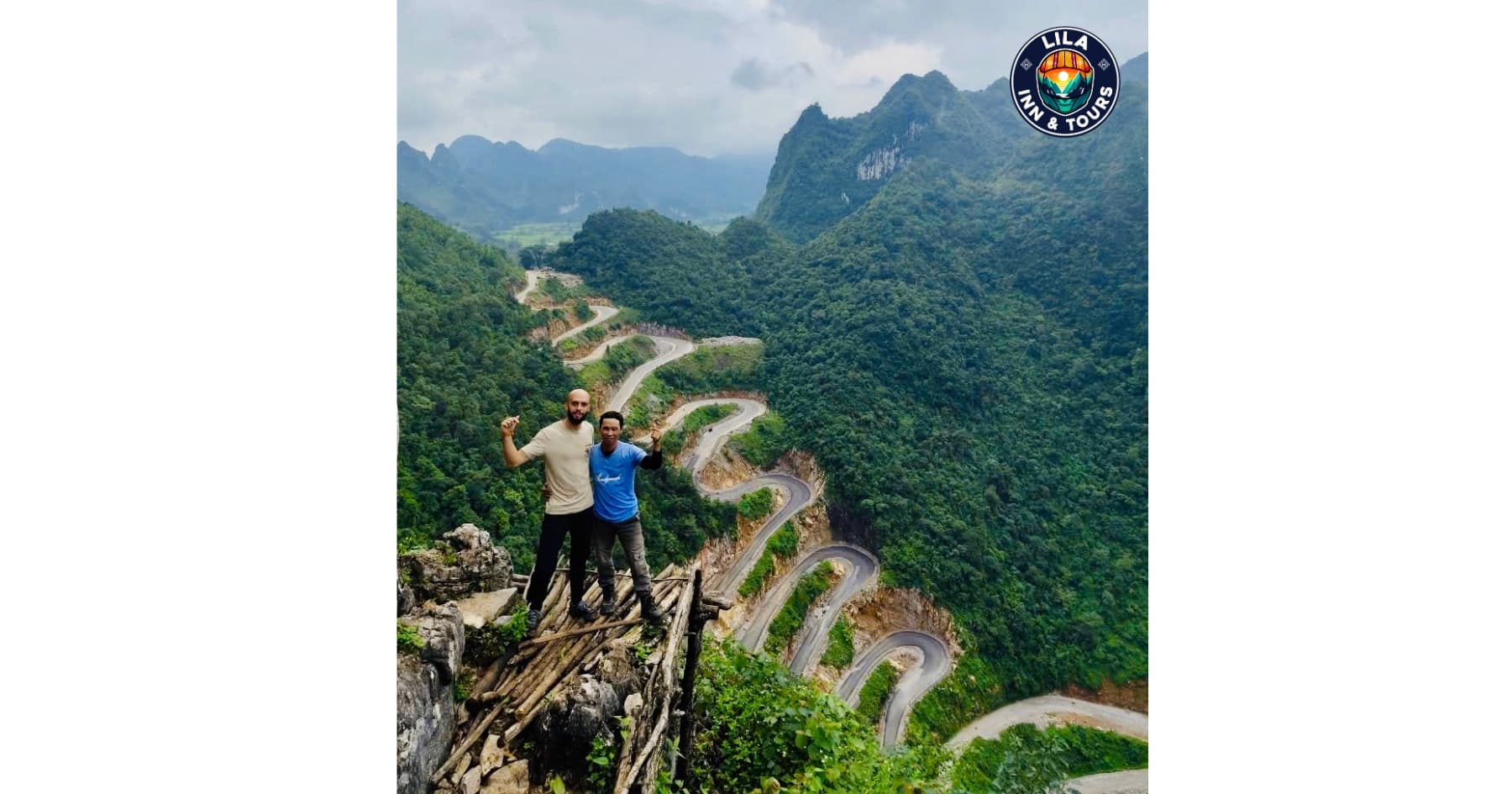
About 18km from Na Tenh Pass, Khau Coc Cha Pass is one of the most dramatic mountain roads in Cao Bang, famous for its 15 steep switchbacks winding through rocky mountains. The pass offers breathtaking panoramic views and is considered a highlight for adventurous riders traveling between Bao Lac and Ha Giang. Although the road is challenging, the scenery along the way makes it one of the most unforgettable experiences in Northeast Vietnam.
Dong Mu Fortress Relic
Dong Mu Fortress Relic is a historic site located on a mountaintop near the border area of Cao Bang, about 15km from Na Tenh Pass. Built during the French colonial period, the stone fortress once served as an important military observation point thanks to its wide view over the surrounding valleys and border routes. Today, visitors come not only to explore its history but also to enjoy the peaceful mountain scenery and hear local stories connected to the area.
Lung To Ecotourism
About 30km from the pass, Lung To is a peaceful ecotourism spot in Cao Bang, best known for its beautiful natural dam and clear, turquoise water that flows gently through the mountains. Surrounded by large rocks, green forests, and fresh highland air, the area is perfect for swimming, relaxing by the stream, camping, or enjoying a picnic with friends and family.
Important experience of exploring Na Tenh Pass

To make your trip to Na Tenh Pass safer, smoother, and more enjoyable, Lila has gathered a few practical tips based on our 8 years of experience guiding tours on the Ha Giang – Cao Bang journey.
- Stay focused while riding: Although Na Tenh Pass is considered easier than some other mountain passes in Cao Bang, it still has around 20 continuous curves. Ride slowly, especially on downhill sections and blind corners.
- Check the weather before you go: Fog, light rain, and slippery roads can appear suddenly in the mountains, especially early in the morning or during the rainy season. Dry weather is usually the safest time to ride the pass.
- Bring warm clothes and rain protection: The weather in Cao Bang can change quickly, even during sunny days. A light jacket and a raincoat are always useful on mountain routes.
- Be careful when stopping for photos: There are many beautiful viewpoints along the pass, but some sections are narrow. Park carefully and avoid stopping in blind corners or the middle of the road.
- Download offline maps before your trip: Phone signal can be weak or completely unavailable in some parts of Na Tenh Pass, which may cause Google Maps to stop working properly. It is a good idea to download offline maps in advance or ask local people for directions along the way.
Ready to start your journey? Tackle
Bac Sum Pass, the very first ha giang loop pass that welcomes you to the highlands!
Explore Na Tenh Pass with Lila Inn & Tours
Conquering Na Tenh Pass is not only about riding through winding mountain roads, but also about slowing down to enjoy the fresh air, peaceful valleys, and stunning landscapes of Cao Bang’s highlands. The journey offers a perfect mix of adventure, nature, and local culture along one of Northeast Vietnam’s most scenic routes.
As a local tour company with more than 8 years of experience guiding travelers through the Ha Giang – Cao Bang region, Lila Inn & Tours would love to bring you to Na Tenh Pass as part of our Ha Giang Loop tours.
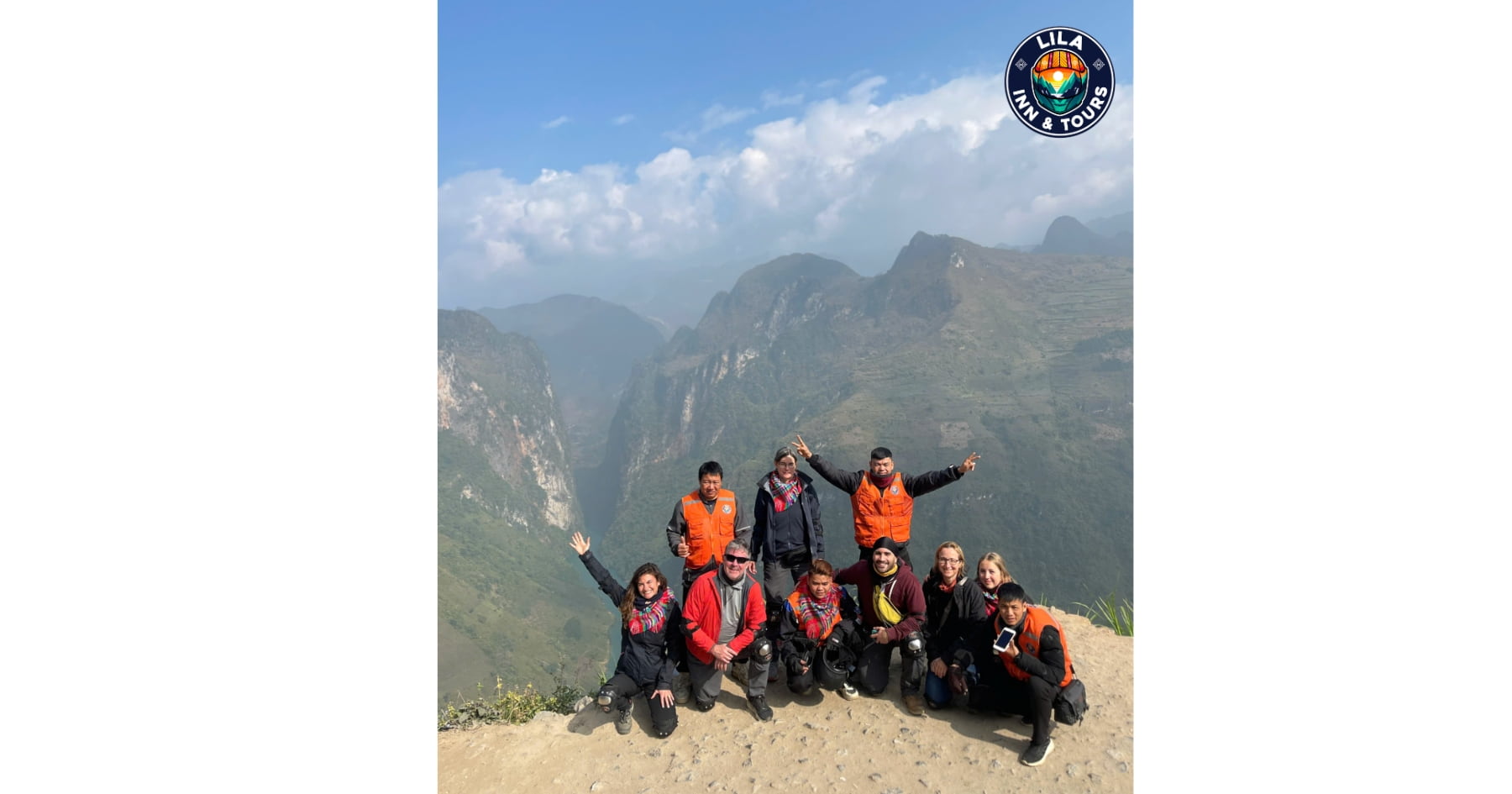
Our trips focus on small groups of fewer than 10 people, experienced local Easy Riders, and carefully planned routes that go beyond the usual tourist spots, helping you experience local life and nature more authentically.
Love iconic curves? See why
Tham Ma Pass is a must-ride ha giang loop pass for every adventurer.
Conclusion
Na Tenh Pass is truly one of the most beautiful mountain passes in Cao Bang, with its winding curves, peaceful rice fields, and breathtaking mountain scenery. For adventure lovers and photography enthusiasts, it is the perfect place to capture unforgettable moments in the majestic landscapes of Northeast Vietnam.
If you are planning to explore Na Tenh Pass, feel free to contact Lila Inn & Tours. We are always happy to help with route suggestions, travel tips, and everything you need for a safe and memorable journey.
Get your Free Ha Giang Loop Guide Plan your dream trip with our Free guide, including suggested itineraries, top attractions, safety tips, and local insights from Lila Inn & Tours
Frequently Asked Questions (FAQs)
- Where is Na Tenh Pass located?
Na Tenh Pass is located in Can Nong Commune, Ha Quang District, Cao Bang Province. The pass lies along National Road 4A, on the same route as the famous Khau Coc Cha Pass, and is around 15-18 km away from it.
- What does the name “Na Tenh” mean?
In the Tay language, “Na Tenh” means “high field.” The name reflects the landscape of the area, which is known for its terraced rice fields stretching across the mountainsides.
- Is Na Tenh Pass difficult or dangerous to ride?
Compared to the steep and dramatic Khau Coc Cha Pass, Na Tenh Pass is considered easier to ride thanks to its smoother road surface, gentler slopes, and wider curves. However, riders still need to stay focused, as the pass includes around 20 continuous bends within a short distance.
- When is the best time to visit Na Tenh Pass?
The best time to visit Na Tenh Pass is from September to October, during the rice harvest season in Cao Bang. At this time, the terraced fields along the pass turn golden yellow, creating some of the most beautiful scenery of the year.