
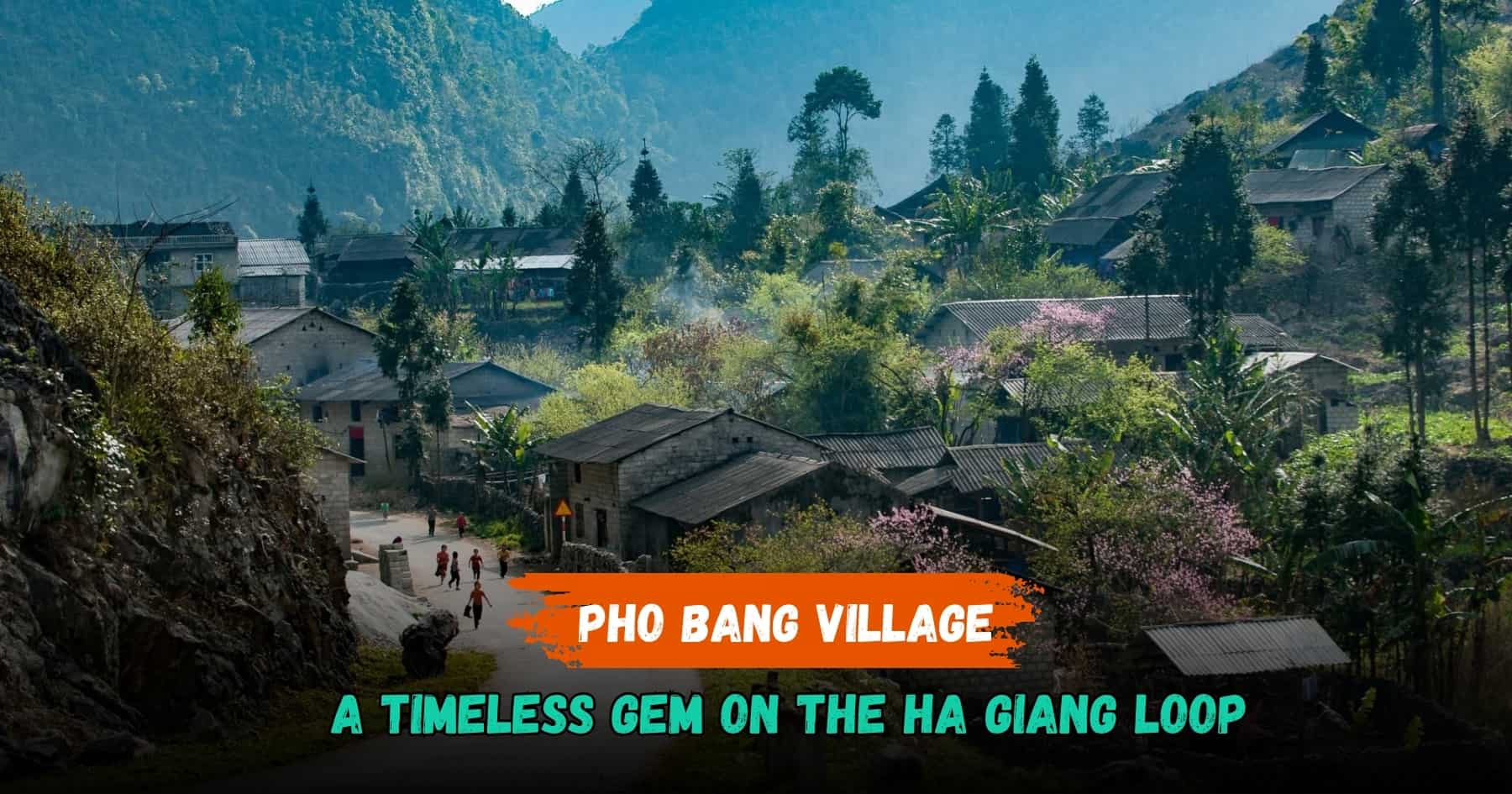
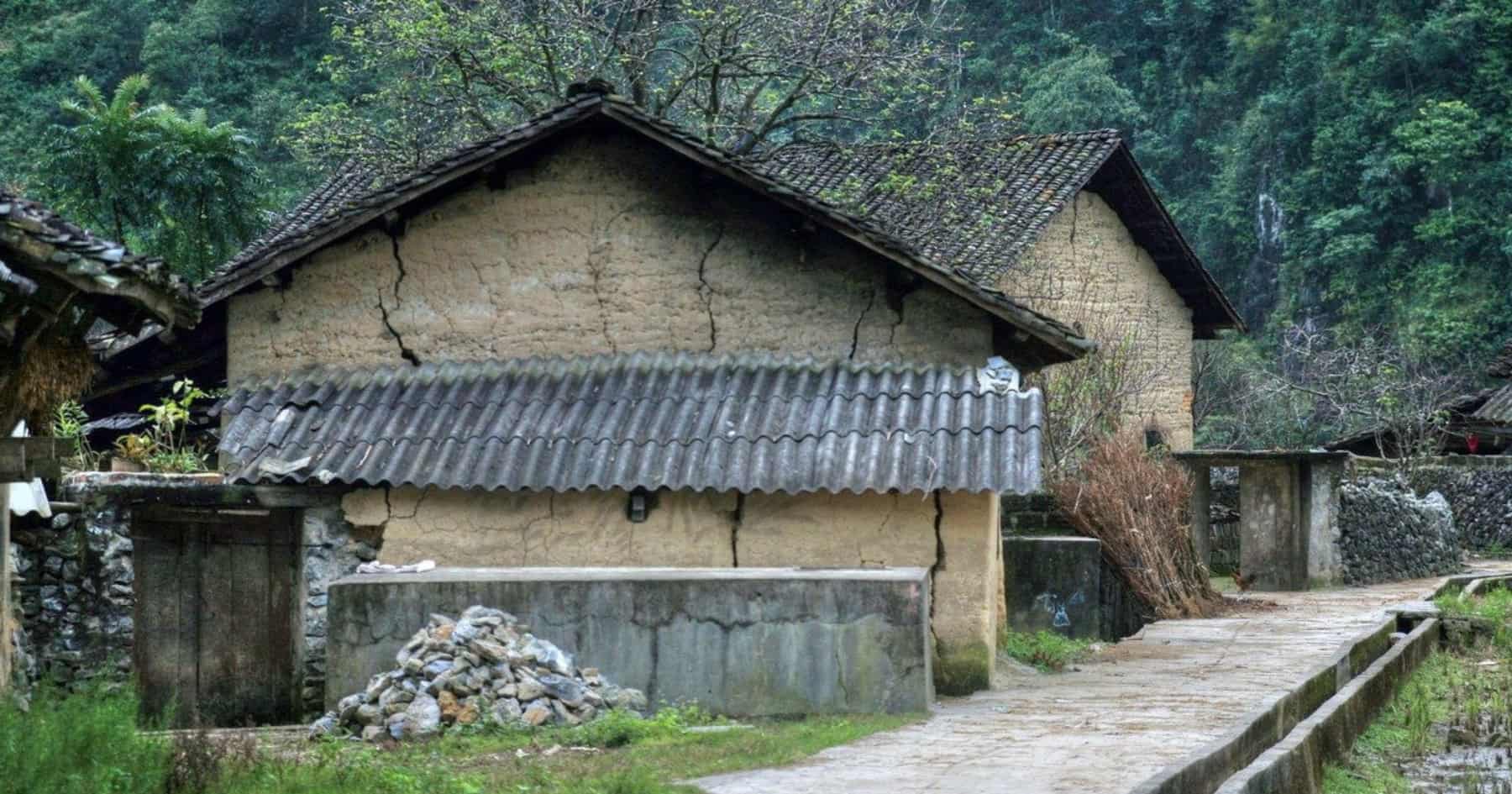
Pho Bang Village, known as a “forgotten town” on the Ha Giang Loop, quietly preserves its timeless charm, largely untouched by mass tourism. With its century-old earthen houses, moss-covered tiled roofs, and peaceful rhythm of life, the village feels almost like a setting from a storybook.
If you’re looking for a place that’s calm, authentic, and away from the crowds, this hidden corner of Ha Giang might be exactly what you’re searching for.
Ready to discover this hidden gem? Here is everything you need to know!
What to know about Pho Bang Village?
Pho Bang is a small village located in the western part of Dong Van District, about 110 km from Ha Giang City. It was once one of the busiest trading hubs in the region. However, after 1979, when the administrative center moved elsewhere, Pho Bang gradually quieted down, returning to a slower, more peaceful rhythm. Today, it remains largely untouched by mass tourism, keeping its simple and authentic charm.
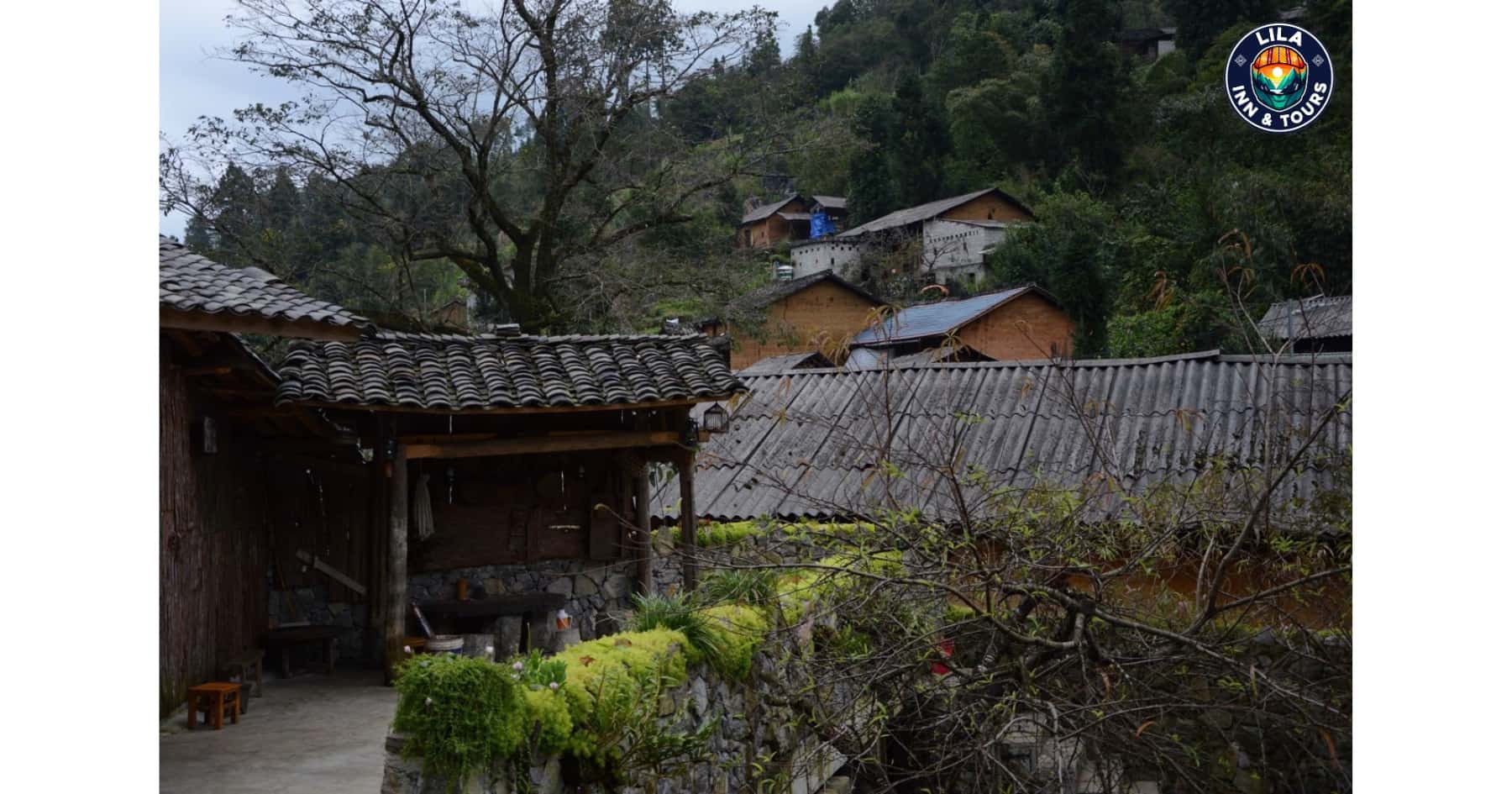
One of the first things you’ll notice in Pho Bang is how everything seems gently aged by time, especially around the rows of century-old houses that remain in the town. Most of the houses were built using traditional earthen-wall techniques, creating thick brown walls strong enough to withstand the mountain weather for generations. Above each house are yin-yang tiled roofs, a feature closely connected to the local Hoa community’s architecture.
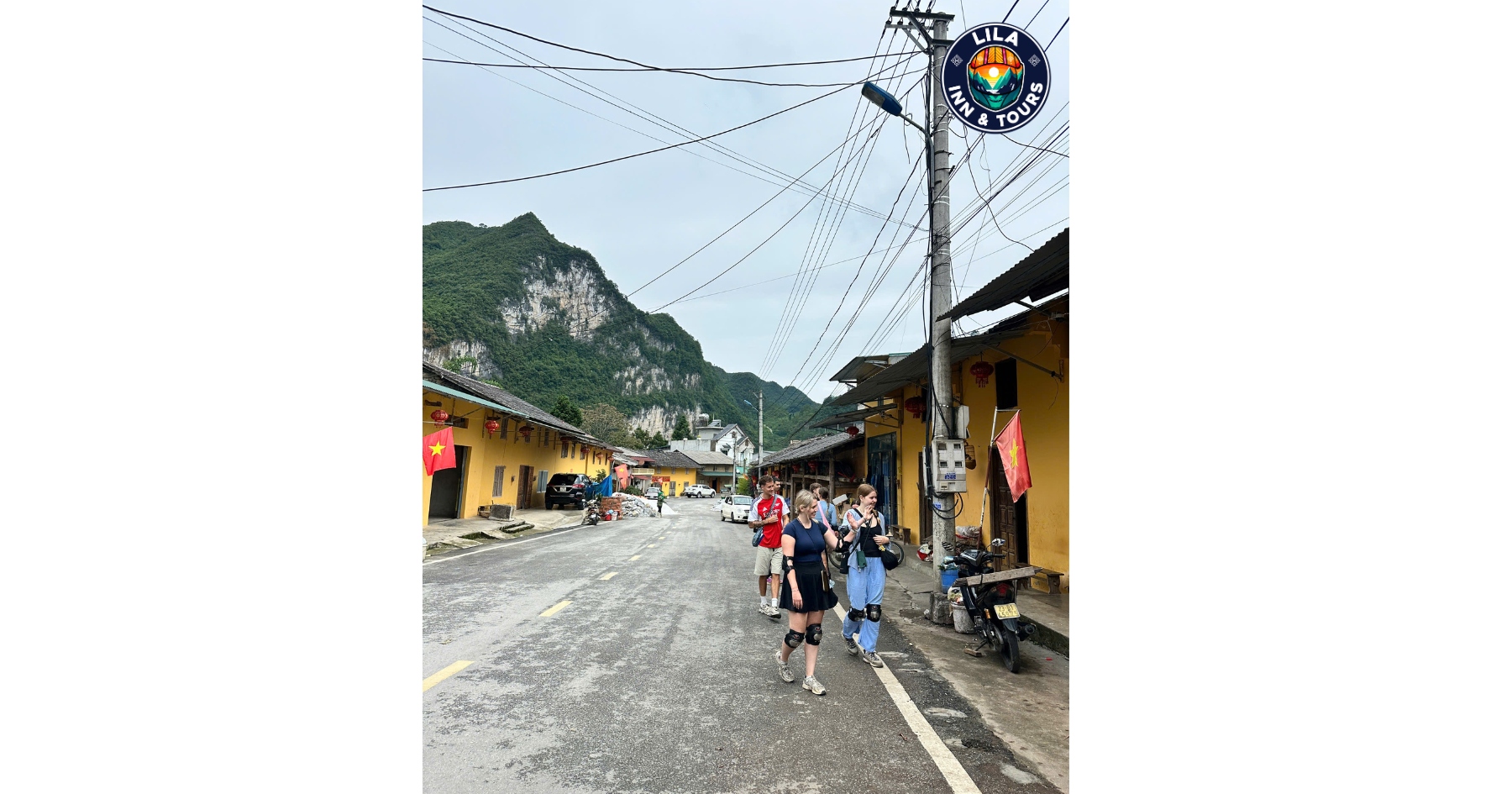
Step inside, and you’ll notice the ceilings are quite low, usually around 2.5 meters high. This design helps keep the house warm and protects against the cold mountain winds. Together with the faded yellow walls, weathered wooden doors, moss-covered roofs, and the quiet atmosphere around them, the whole town feels nostalgic, almost like stepping into a scene from decades ago.
Pho Bang is home mainly to Hmong and Hoa (ethnic Chinese) communities. Unlike the more bustling Dong Van Old Quarter, life here moves at a slower pace. Their lives may not be wealthy, but they are warm and genuine, finding joy in simple everyday moments. With little impact from mass tourism, Pho Bang would be a perfect place to slow down and unwind after a busy life.
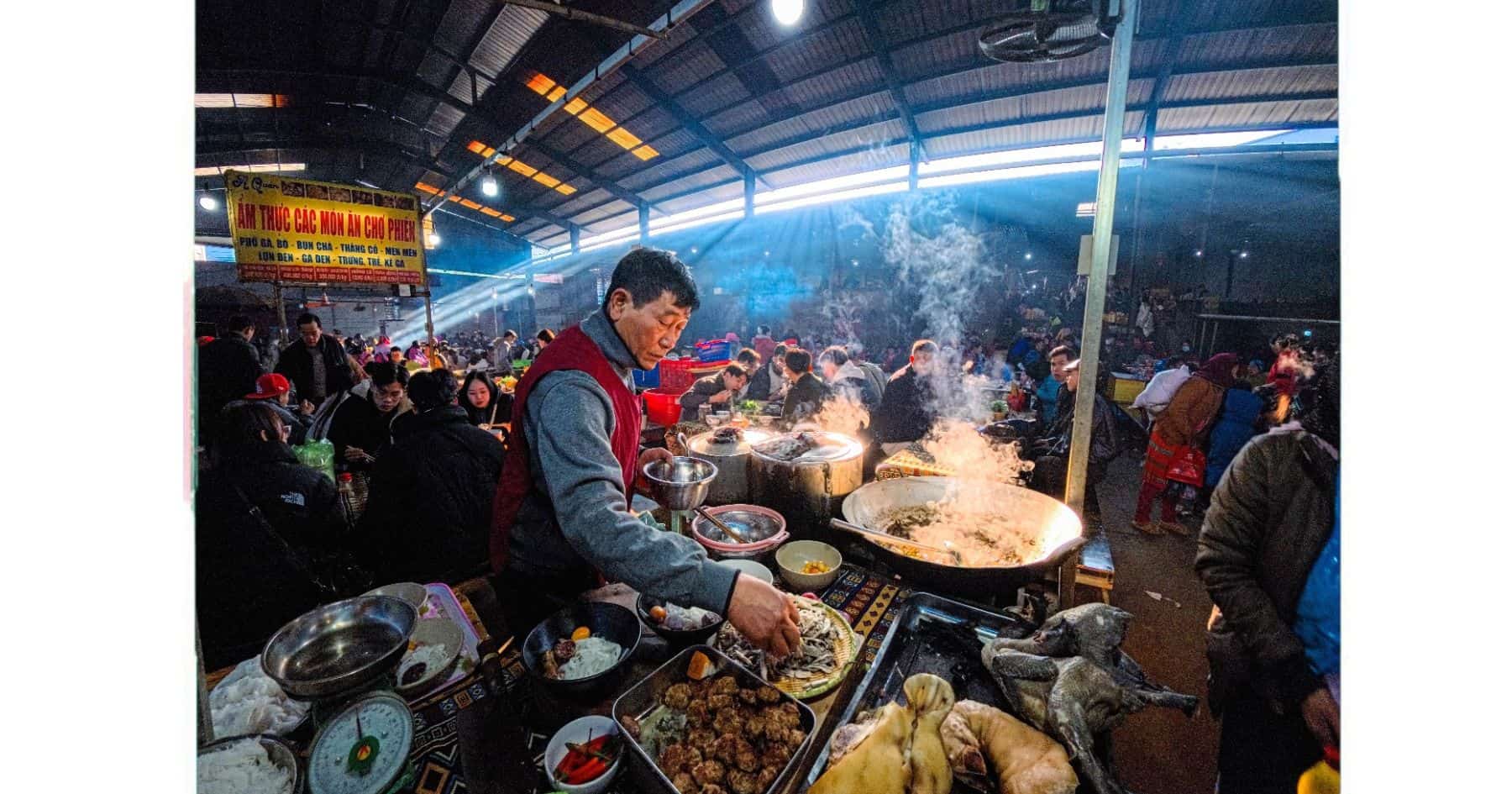
However, Pho Bang comes alive during its market days, which take place every 6 days. People from nearby villages gather here to trade goods, meet friends, and catch up. It’s a great chance for visitors to explore local products, experience the culture up close, and connect with the people naturally and genuinely.
Next stop on the Loop:
Ma Le Village A step back in time 
When is the best time to explore Pho Bang Village?
The best time to visit Pho Bang and Ha Giang in general is from September to April, when the region enters its dry season. During these months, the weather is stable and easy to travel in, with daytime temperatures usually between 15°C and 25°C. Skies are often clear, making the landscapes look crisp and open, while mornings and evenings stay cool without being too cold.
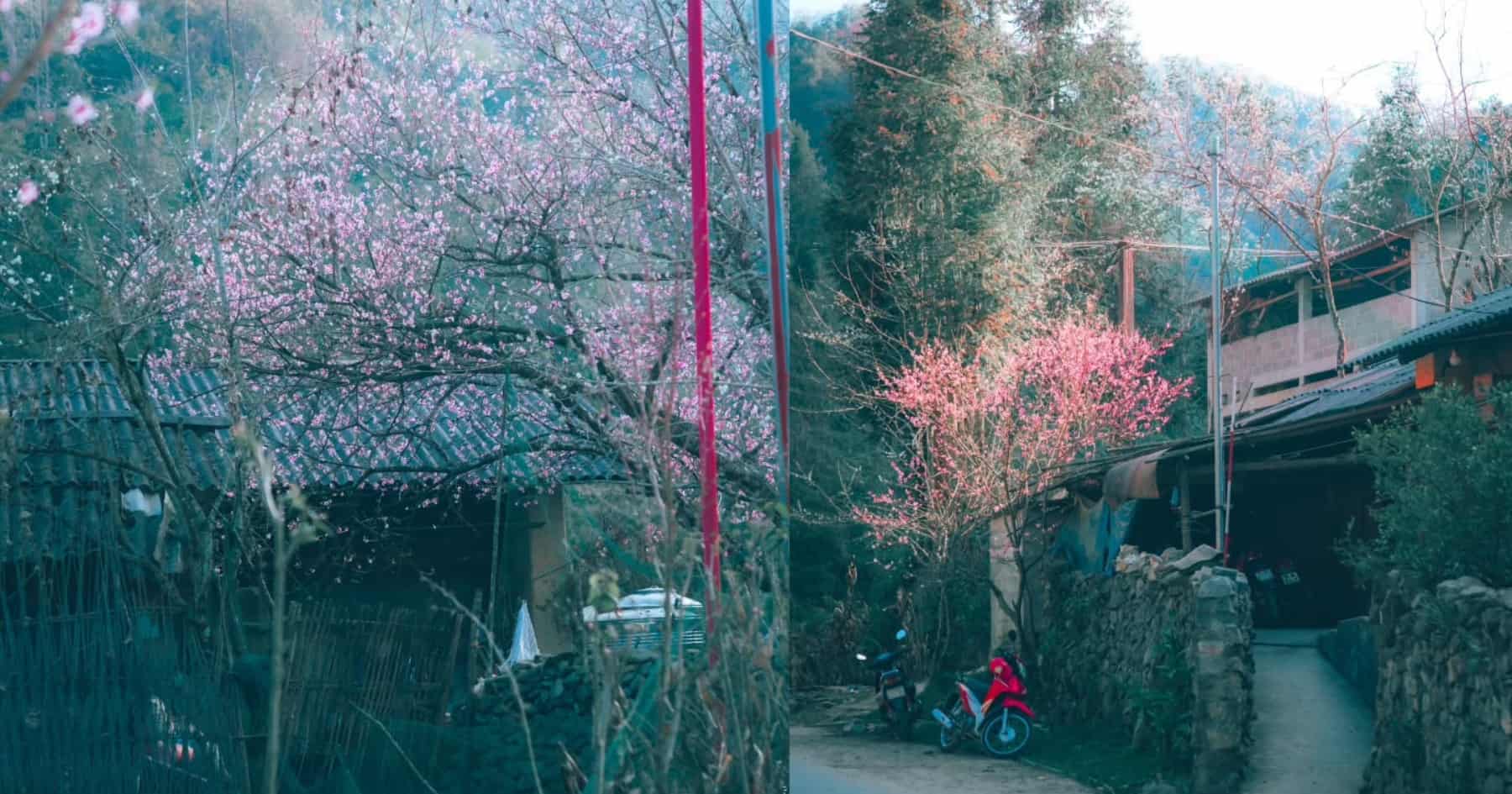
If you’re looking for something more seasonal, January to March is when Pho Bang feels especially charming. Peach blossoms and plum flowers bloom across the town, adding soft colors to its old houses and quiet streets. Many travelers love to come and enjoy the scenery and capture more poetic, picturesque moments.
On the other hand, July and August fall in the rainy season. Roads in the mountains can become slippery and harder to navigate, so if you plan to visit during this time, it’s important to prepare well and travel with extra care.
How to get to Pho Bang Village?
To reach Pho Bang Village, you should first travel to Ha Giang City. The most convenient option is taking a night bus, which usually takes around 8–9 hours. Most buses are modern sleeper buses with comfortable beds, allowing you to rest well before reaching Ha Giang.

Lila can help arrange bus travel from anywhere in northern Vietnam. Simply contact us, and we’ll take care of the booking for you.
Then, move from Ha Giang City to Pho Bang village.
From Ha Giang City, follow National Road 4C (the Happiness Road) through Quan Ba and Yen Minh. From there, turn left at Sung La junction. Pho Bang is just about 5 km off the main road, making it easy to find and access.
About transportation, you have two main options:
- Join a guided tour: This is the easiest and safest choice, with both motorbike and car tours available. Among them, Easy Rider tours are especially popular. You’ll ride behind a skilled local driver who knows the roads well, so you can fully enjoy the scenery without worrying about navigation. Check out the Ha Giang Loop tour price.
- Rent a motorbike: This option is best for confident riders who want more freedom and have an International Driving Permit. It’s also helpful to check a Ha Giang Loop map in advance if you’re unsure about the route.
Experience the authentic charm of Pho Bang and beyond on our
Ha Giang Loop 3 days
Top 3 things to do at Pho Bang Village
Take a slow walk around the town
The best way to enjoy the quiet charm of Pho Bang is simply to walk around slowly. Take your time exploring the old earthen houses and noticing the small details shaped by time. Inside these homes, you can feel a warm and cozy atmosphere created by the thick earth walls, low floors, and traditional yin-yang tiled roofs, smart designs that help protect against the cold mountain weather. The layout of each house is also unique, designed not only for daily living but also closely connected to the local way of life. And of course, don’t forget to stop and take a few photos with these beautiful old houses.

Enjoy the flower season
As mentioned earlier, Pho Bang is especially known for its peach and plum blossoms from January to March. During this time, the whole town feels softer and more picturesque, almost like a scene from a storybook. If you’re visiting Ha Giang in this season, it’s definitely worth stopping by to enjoy the view and take some photos.
Visit the local market
Pho Bang market is more than just a place to trade goods, it’s where people meet, chat, and connect. You can explore local products, talk with residents, and experience the lively atmosphere of a market day. While you’re there, try some local specialties like thang co (traditional horse meat stew), men men (steamed ground corn), au tau porridge, or a warm cup of corn wine for a more complete experience.
Where to stay near Pho Bang village?
As tourism in Pho Bang is still quite limited, accommodation options here are not very many. Below are three of the most notable places to stay in the town.
SUNG Home
SUNG Home is a cozy homestay set in a traditional earthen house with tiled roofs, right in the heart of Pho Bang’s old village. The space is simple and warm, offering mostly private, clean rooms that feel comfortable and homely. The host family is kind and attentive, offering delicous home cook meals.
Pho Bang Hotel
Pho Bang Hotel is a simple guesthouse located right in the center of Pho Bang. It offers basic but comfortable rooms with essential amenities like free Wi-Fi and parking. The place is appreciated for its good location and friendly, helpful service. It’s a practical choice if you’re looking for an easy, affordable stay while exploring the quiet charm of Pho Bang.
Suong & Gio homestay
Suong & Gio Homestay is a charming stay in the quiet town of Pho Bang, known for its wooden design and open, airy feel. The homestay offers both private rooms and dorm-style spaces, all kept clean and simple, with a spacious yard where guests can relax, have tea, and enjoy the peaceful surroundings. Meals are served family-style with local dishes, creating a warm, communal atmosphere.
If you’re looking for a more immersive overnight experience, consider staying at Nam Dam Village. This community-based village offers traditional earthen house homestays where you can connect with local hosts, enjoy traditional meals, and unwind with a herbal bath.
Best places to visit around Pho Bang
Besides exploring Pho Bang Village, you can also extend your journey to visit several nearby attractions. These spots are perfect additions to make your Ha Giang adventure even more complete and memorable.
Lao Xa Village
About 4km from Pho Bang, Lao Xa Village is a small Hmong village tucked into the mountains of Dong Van, known for its traditional silver-making craft. The village stands out with its earthen houses, stone walls, and quiet, everyday life that hasn’t changed much over time. It’s not crowded or touristy, making it a great place to walk around, watch local artisans at work, and experience a more authentic side of Ha Giang.
Lung Cam Village
Lung Cam village is located in Sung La, just about 6 km from Pho Bang. With a history of over 100 years, it has become one of Ha Giang’s well-known community-based cultural villages, offering visitors a closer look at local highland life.
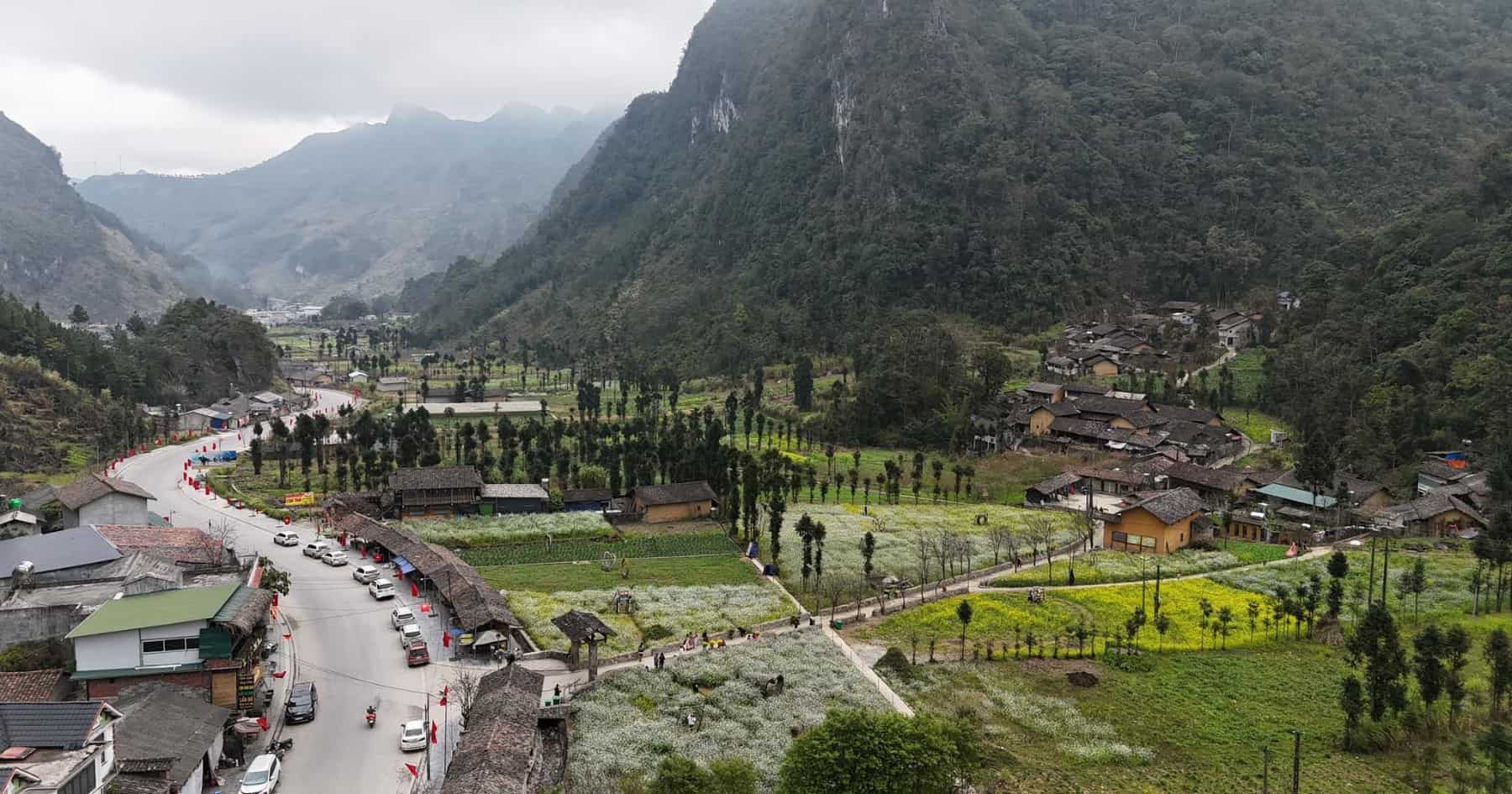
Here, you can try on traditional costumes, learn simple folk dances, or take part in local festivals when they are held. One of the most popular cultural stops in Lung Cam is the filming location of The Story of Pao’s House, which welcomes visitors to learn more about village life, take photos, and shop for handmade souvenirs.
Pho Cao Valley
About 10km from Pho Bang, Pho Cao Valley is known for its raw, authentic charm and traditional earthen houses surrounded by stone fences. What makes it stand out is its spectacular landscapes that transform with each season, from lush green fields to golden harvests and blooming flowers. Quiet and less visited, Pho Cao offers a peaceful glimpse into local Hmong life and a perfect setting for slow walks and scenic photography.
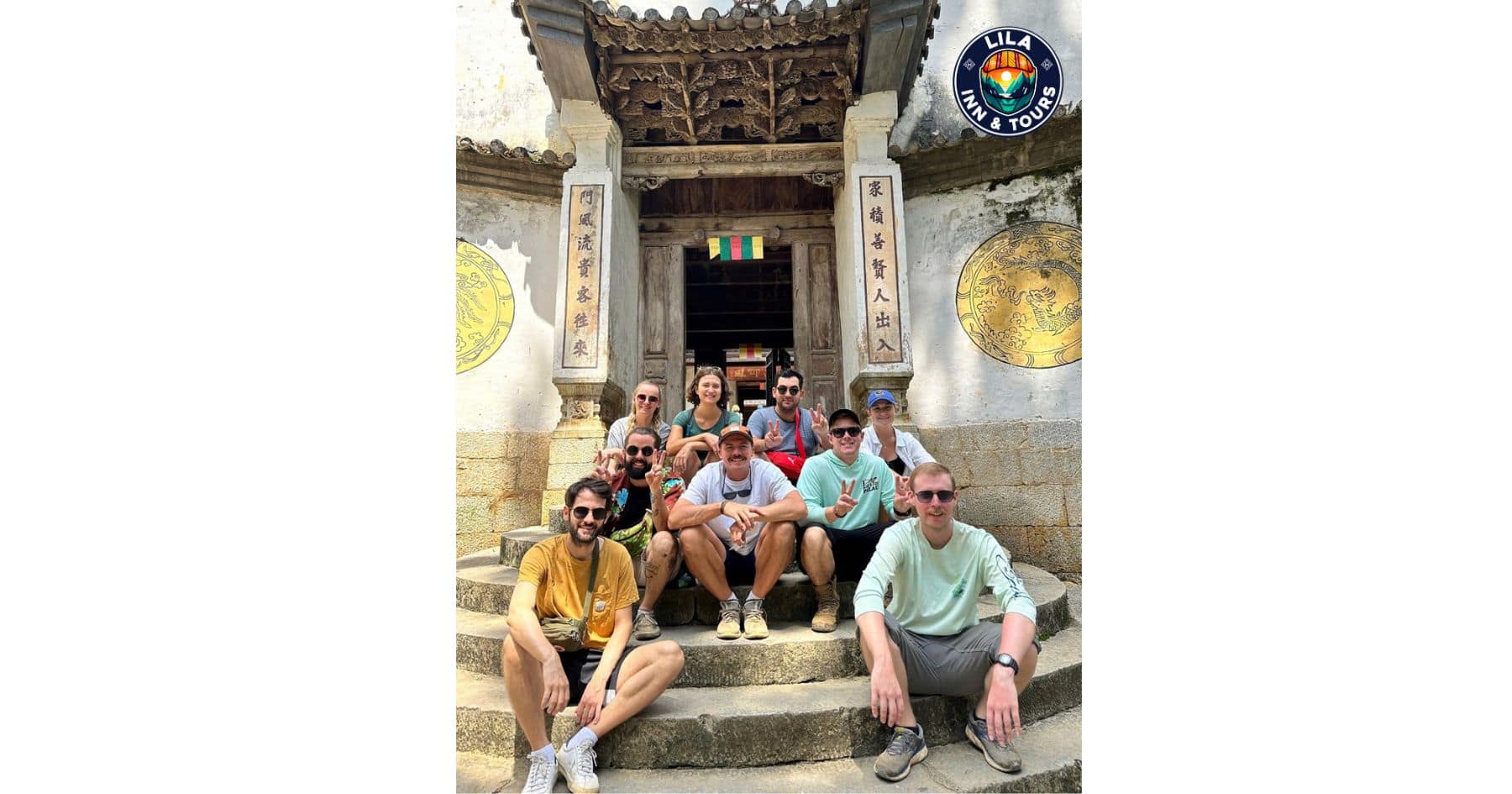
H’mong King Palace
H’mong King’s Palace is the most well-known historical site in Ha Giang, located about 12km from Pho Bang. The palace is a remarkable architectural landmark, featuring many intricate design details that have been carefully preserved for more than a century. When visiting the complex, you can take your time to admire the structure and learn about the fascinating stories connected to the H’mong royal family, offering a deeper look into the past life of the local community.
Tham Ma Pass
Located about 13 km from Pho Bang, Tham Ma Pass is one of the most famous mountain passes on the Ha Giang Loop. Known for its steep slopes and sharp winding roads, the pass was once used by locals to test the strength and endurance of horses.
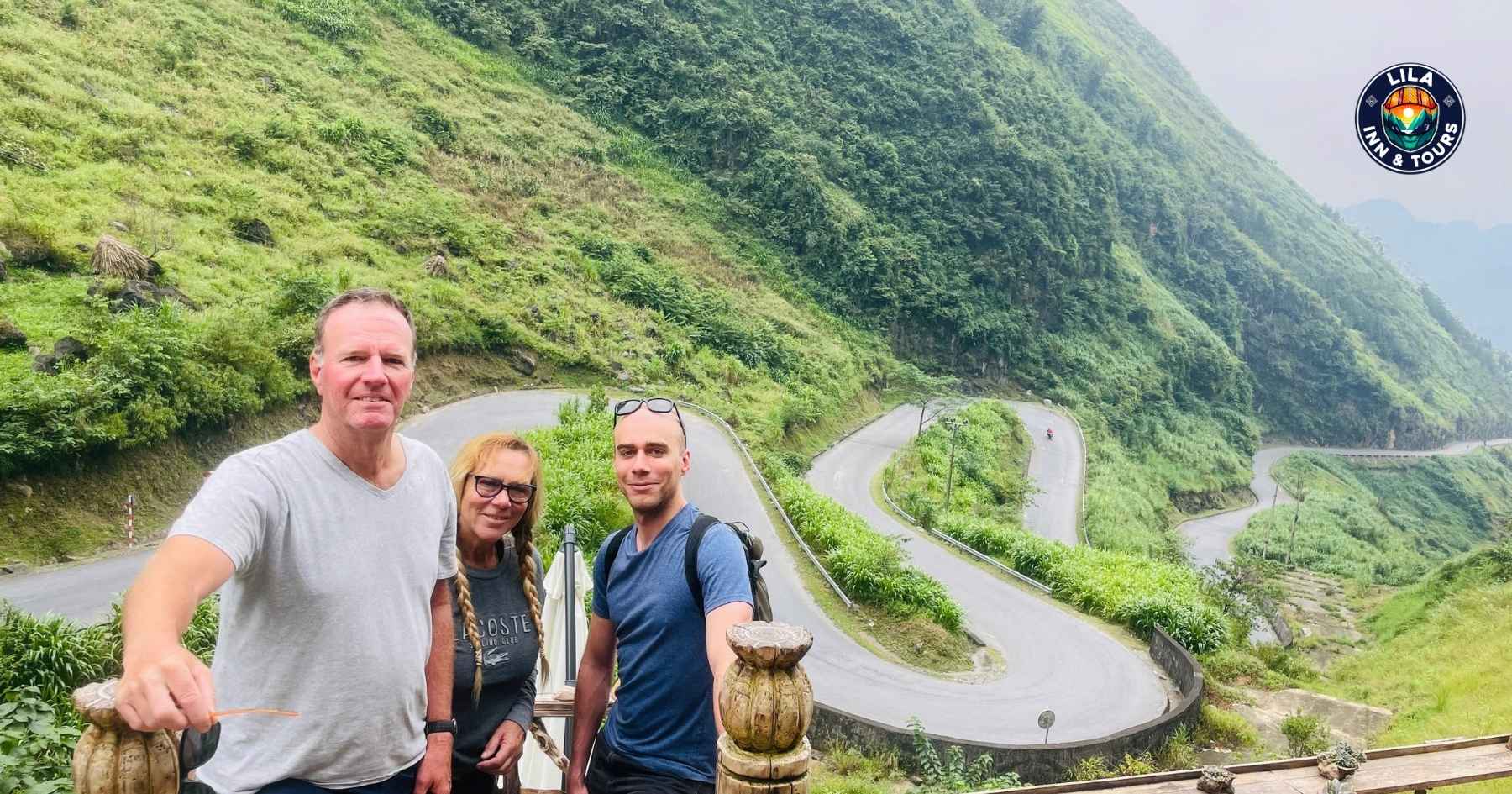
That also explains why the pass is named “Tham Ma,” meaning “horse-testing”. Today, it’s a popular stop for travelers to admire the dramatic mountain views and experience one of Ha Giang’s most iconic roads.
Lung Tam Village Vietnam, the most famous linen weaving village on the Ha Giang Loop
What are the best tips for exploring Pho Bang Village?

To make your trip to Pho Bang village safer, smoother, and more enjoyable, Lila has gathered a few practical tips based on our 8 years of experience guiding tours on the Ha Giang Loop.
- Check the weather: Mountain roads can become slippery in the rain, so it’s important to look at the forecast and plan accordingly.
- Dress in layers: The weather can change quickly throughout the day, and layering helps you stay comfortable.
- Learn about the town before visiting: Understanding the town’s history and culture will help you appreciate its old houses, quiet atmosphere, and local way of life more deeply.
- Check market days: The Pho Bang market runs on a 6-day cycle rather than fixed days, so ask locals or your guide in advance to avoid missing it.
- Bring enough cash: There are no ATMs in small towns, and most local transactions at markets are done in cash.
- Take time to talk with locals: A simple conversation or smile can help you connect more deeply with the peaceful local life and culture here.
- Bring a camera: Pho Bang is full of small moments worth capturing, from old earthen houses to flower seasons and quiet streets.
- Respect nature: Take your trash with you and leave no trace, especially if you’re exploring or camping in natural areas.
Explore Pho Bang village with Lila Inn & Tours
Over time, Pho Bang has quietly preserved its old-world charm and cultural identity, largely untouched by mass tourism. With its slow pace, traditional houses, and peaceful atmosphere, it’s an ideal stop for anyone looking to step away from the crowds and enjoy a calmer, more authentic side of Ha Giang.
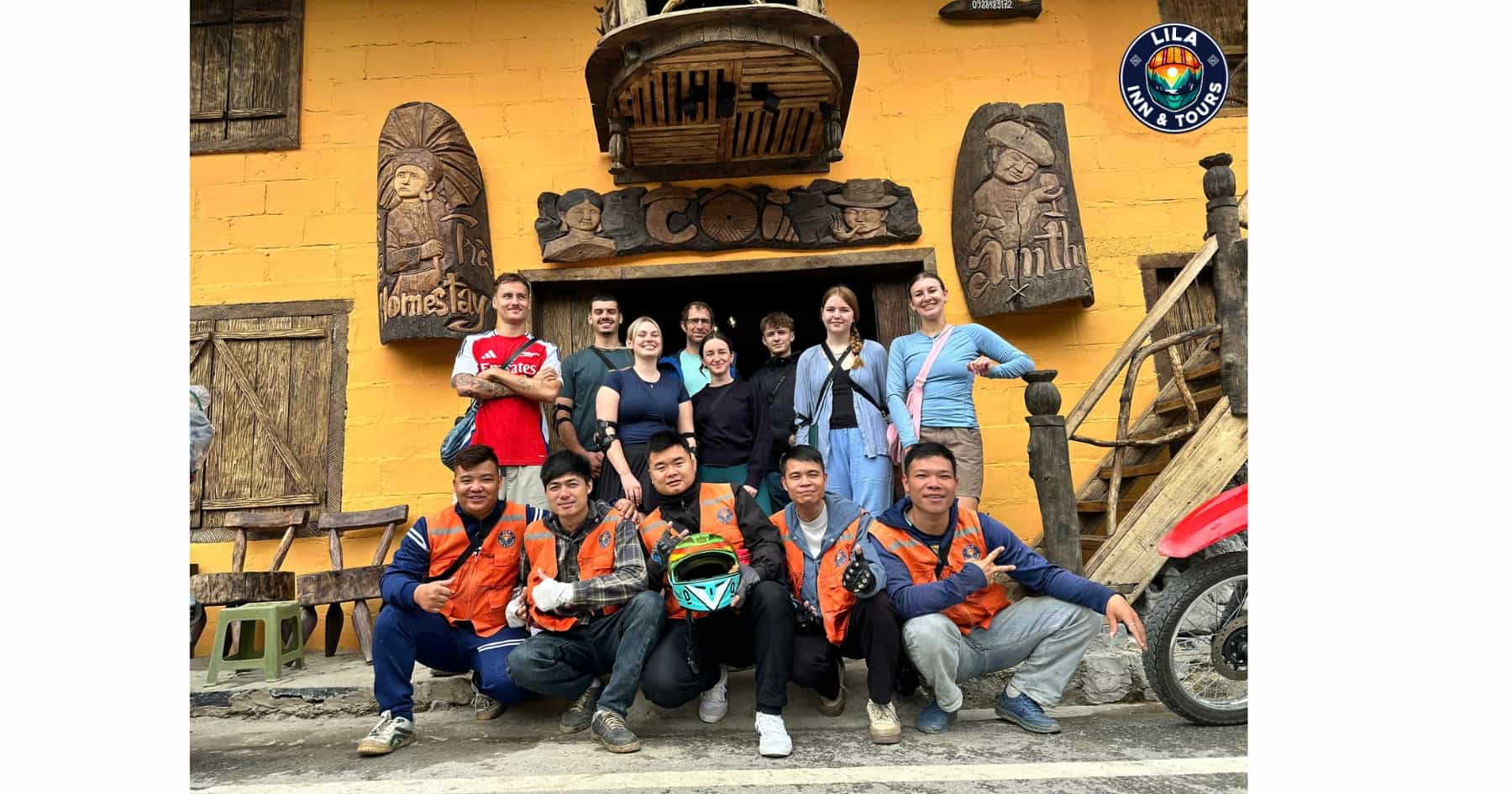
If you’re planning to explore Pho Bang, take a look at our Easy Rider 5-day Ha Giang Loop tours. With our three core priorities: safety first, small groups, and off-the-beaten-path experiences, Lila offers a journey that’s both exciting and relaxed.
If you’d like to extend your trip and discover more of Northern Vietnam, we also offer a combined Ha Giang Loop Cao Bang tour for a deeper adventure.
Conclusion
Pho Bang may not have big attractions or busy crowds, but its slow rhythm, old houses, and peaceful atmosphere create a feeling that’s hard to find elsewhere. If you’d like to explore Pho Bang as well as other highlights of Ha Giang, feel free to get in touch with Lila for a well-planned and enjoyable journey.
Get your Free Ha Giang Loop Guide Plan your dream trip with our Free guide, including suggested itineraries, top attractions, safety tips, and local insights from Lila Inn & Tours
Frequently Asked Questions (FAQs)
- When is the best time to visit Pho Bang?
The best time to visit is from September to April, during the dry season when the weather is stable, and the roads are easier to travel. If you’re looking for something more scenic, January to March is especially beautiful, as peach and plum blossoms bloom throughout the town, adding soft colors to its old houses and quiet streets.
- Are there places to stay in Pho Bang?
Yes, but accommodation options are limited since Pho Bang is not heavily developed for tourism. Some of the most convenient places to stay near the town center include SUNG Home, Pho Bang Hotel, and Suong & Gio Homestay, offering simple, comfortable stays within easy reach of the main area.
- What can I do in Pho Bang?
You can walk around the quiet streets, explore traditional earthen houses, take photos, and enjoy the calm surroundings. Visiting during a market day is also a highlight, as it’s when the town becomes more lively and gives you a closer look at local culture.
- When does the Pho Bang market take place?
The market runs on a 6-day cycle rather than fixed weekdays, so it doesn’t happen on the same day each week. It’s best to check with locals or your tour guide in advance to plan your visit and not miss the chance to experience this unique cultural event.