
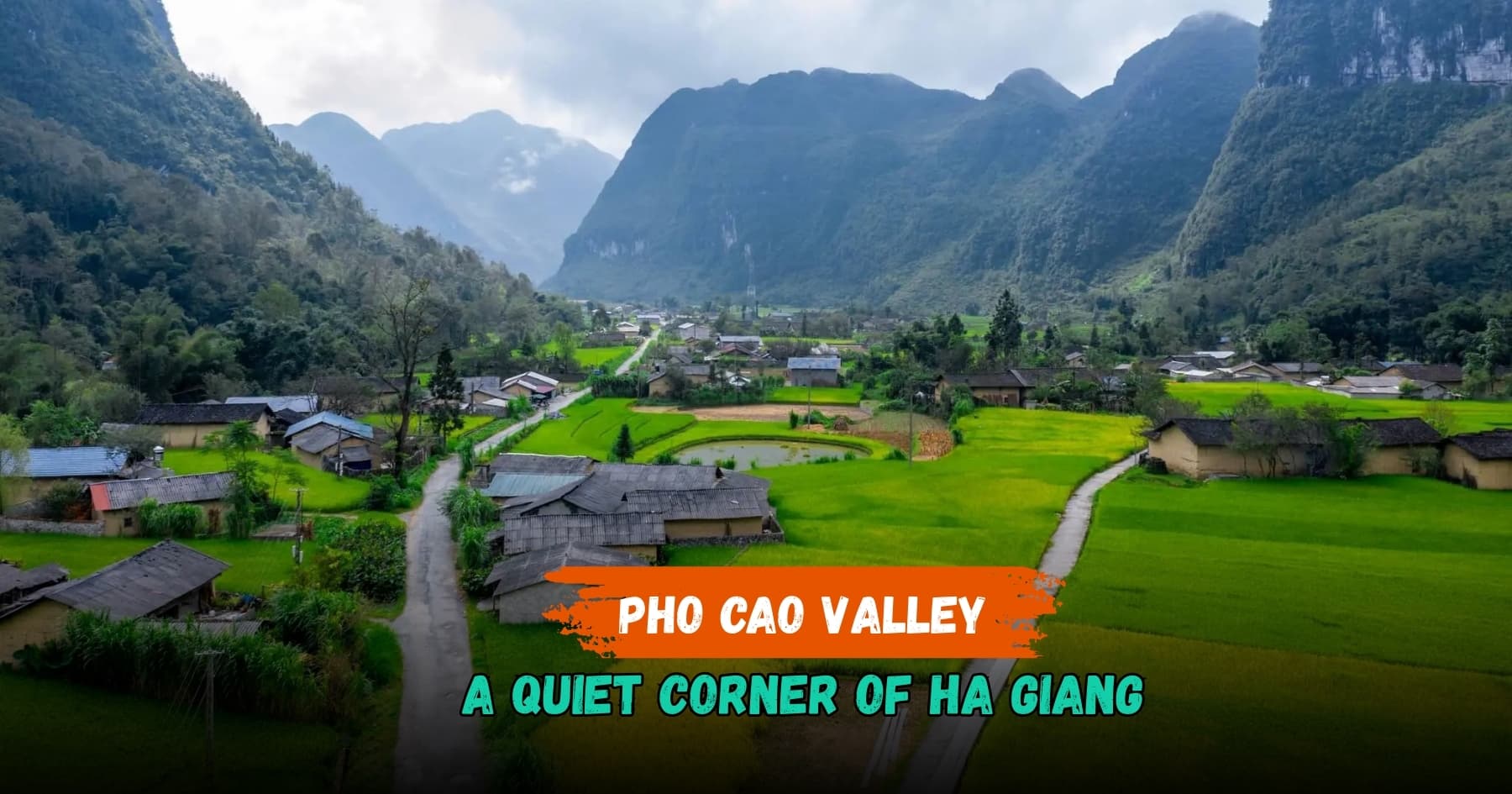
Pho Cao Valley is one of the most stunning, peaceful valleys in Ha Giang. This peaceful land is famous for its traditional “trinh tuong” houses, ever-changing seasonal landscapes, and the vibrant spirit of the H’mong community. If you love dramatic mountain scenery and old-world charm, Pho Cao is a stop you shouldn’t miss on the Ha Giang Loop.
With over 8 years of experience guiding Ha Giang Loop tours, Lila Tour & Inn will help you uncover everything about this enchanting place: its location, history, sceneries, and travel tips.
Let’s get started!
What is special about Pho Cao Valley?
Pho Cao Valley is nestled in the highlands of Dong Van District, Ha Giang Province, about 111 kilometers northeast of Ha Giang City.
Though it may not be as lively as other towns, Pho Cao stands out for its raw natural beauty and the unique cultural values that have been carefully preserved over time.
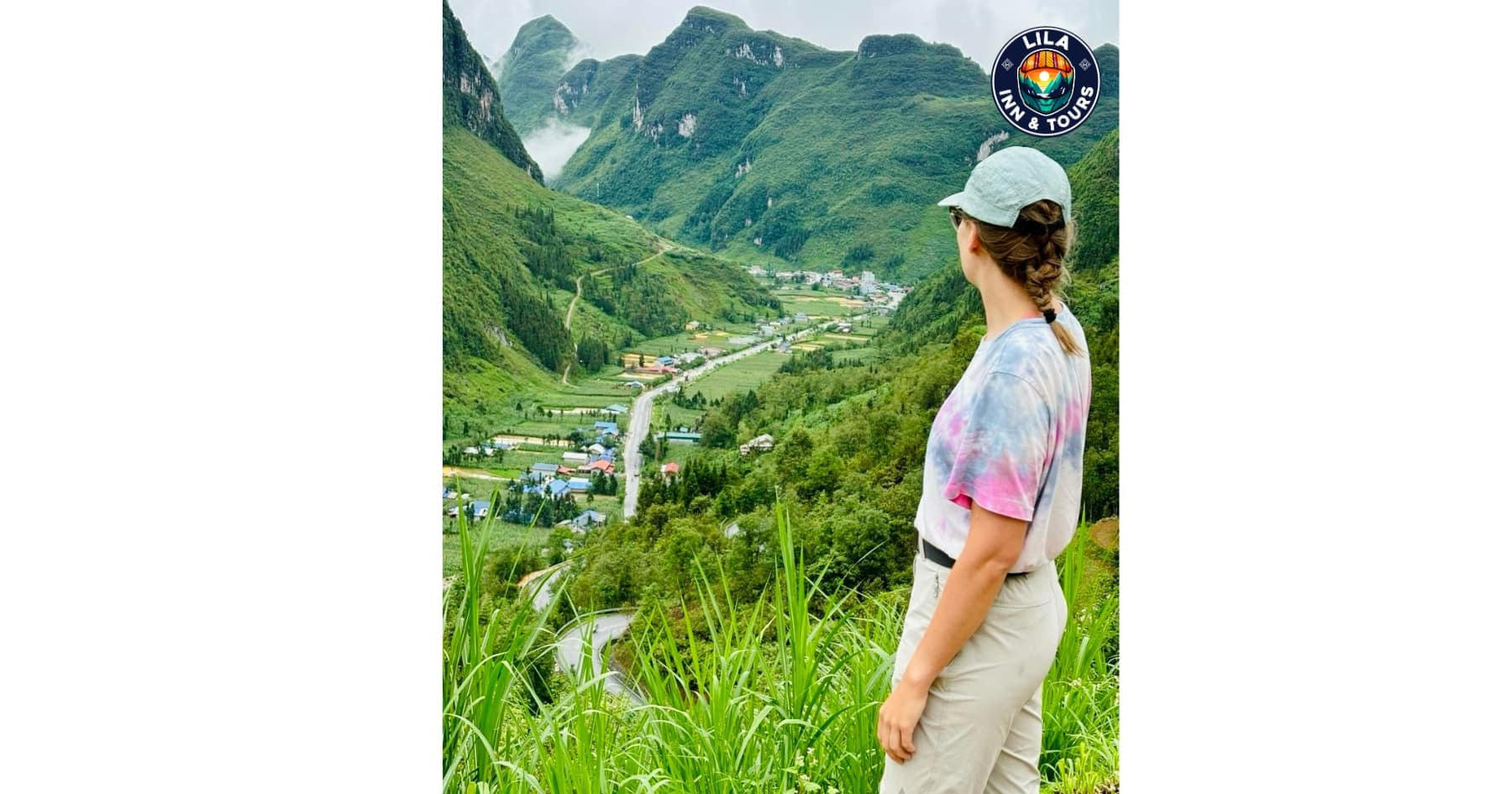
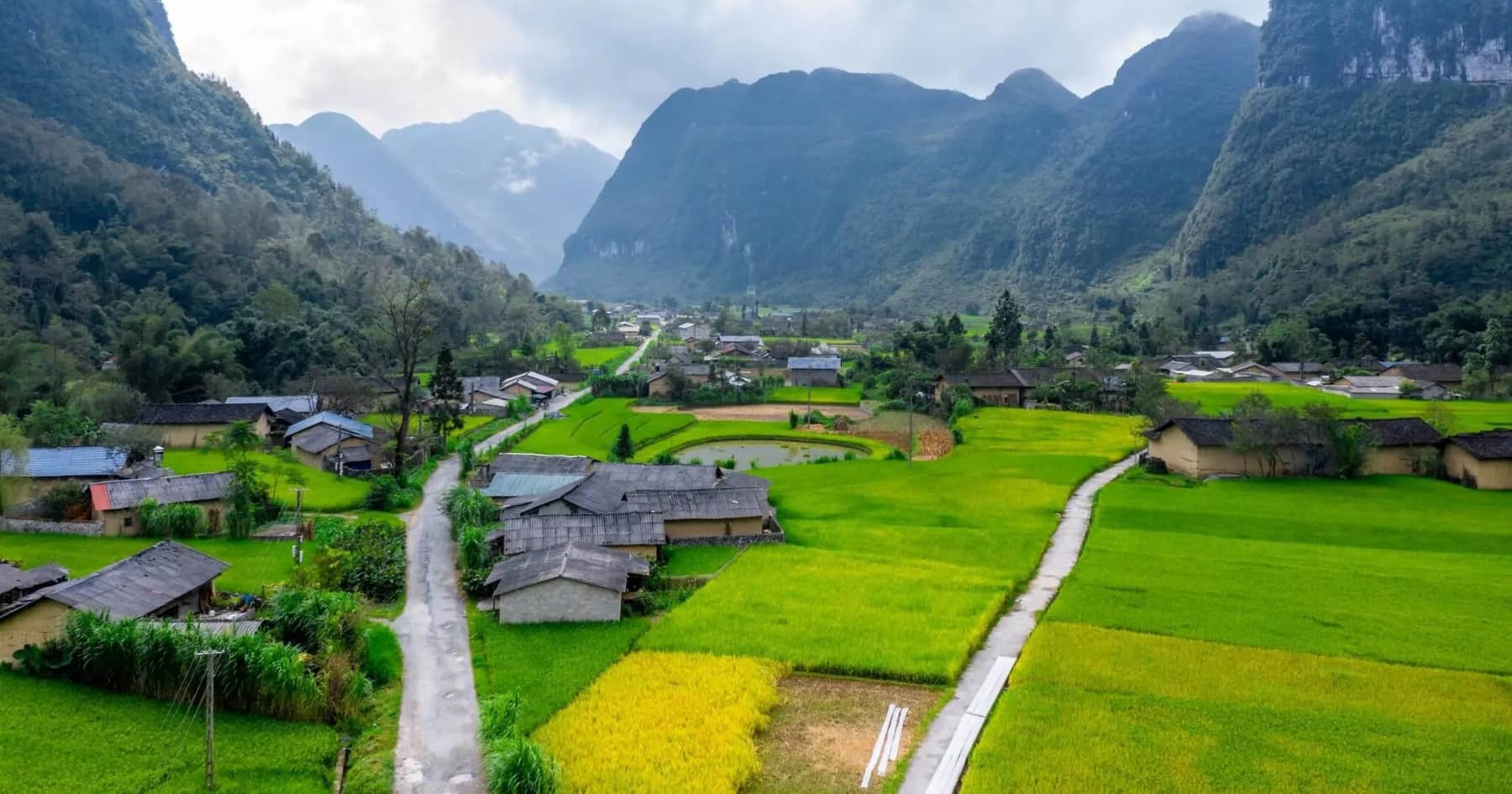
This peaceful land is most well-known for its spectacular landscapes that transform with each season. For example, in the spring, the valley turns pink with blossoms of peach and plum. When autumn comes, endless terraces will glow golden yellow. And in winter, fields of buckwheat flowers gently cover the hills in purple. Because of this constantly changing scenery, Pho Cao is often described as a place of “land, sky, and flowers,” attracting visitors throughout the year.
Beyond its natural beauty, Pho Cao Ha Giang also reflects the rich cultural life of the northern highlands. The valley is home to many ethnic groups, including the H’mong, Han, Hoa, Pu Peo, Kinh, Tay, Nung, and Giay, who have lived in quiet harmony for generations. Once you visit Pho Cao, you will find that the locals are cheerful, open-hearted, and always ready to welcome visitors from afar. Their life is simple and peaceful, yet full of warmth and joy.
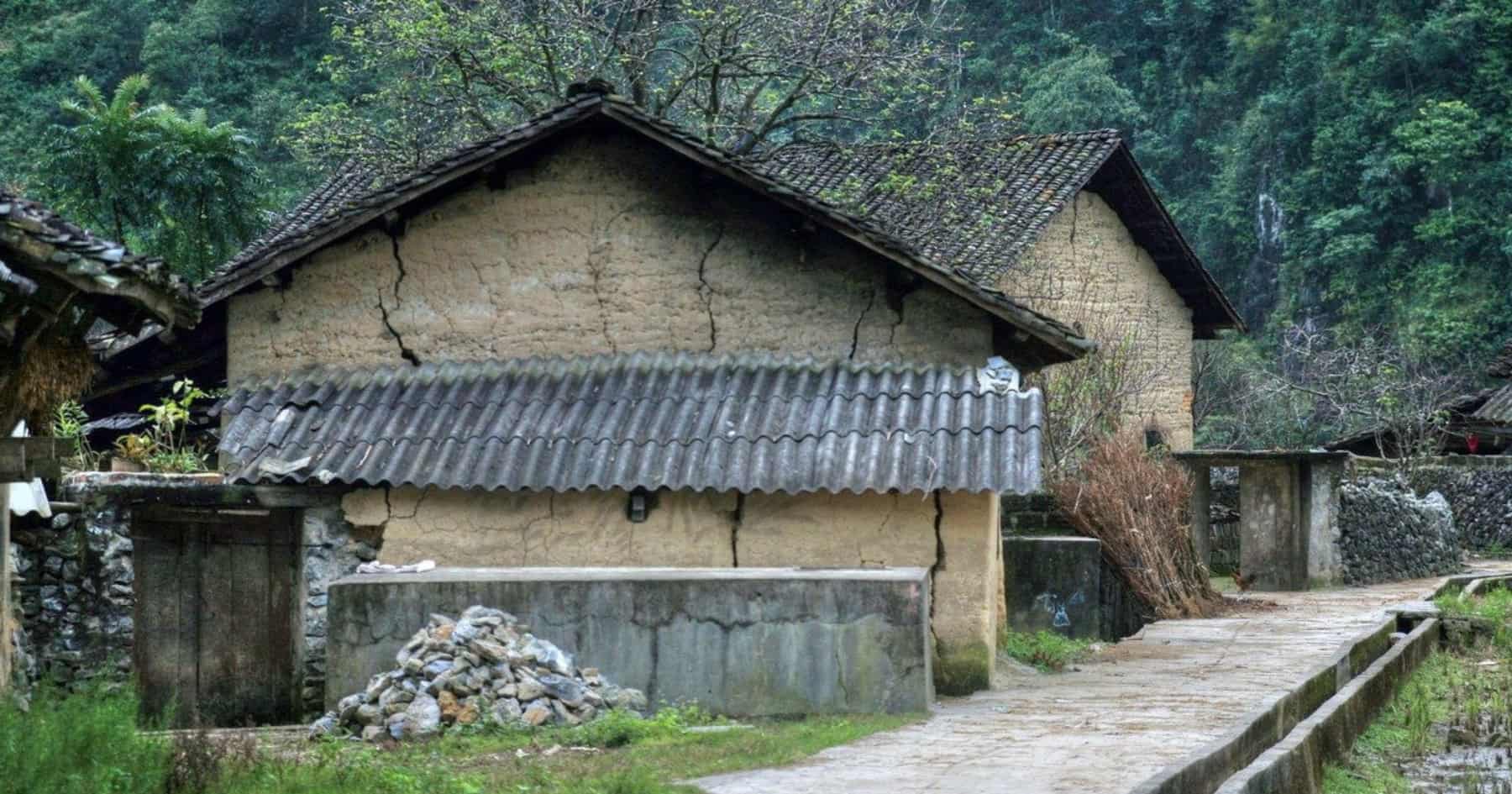
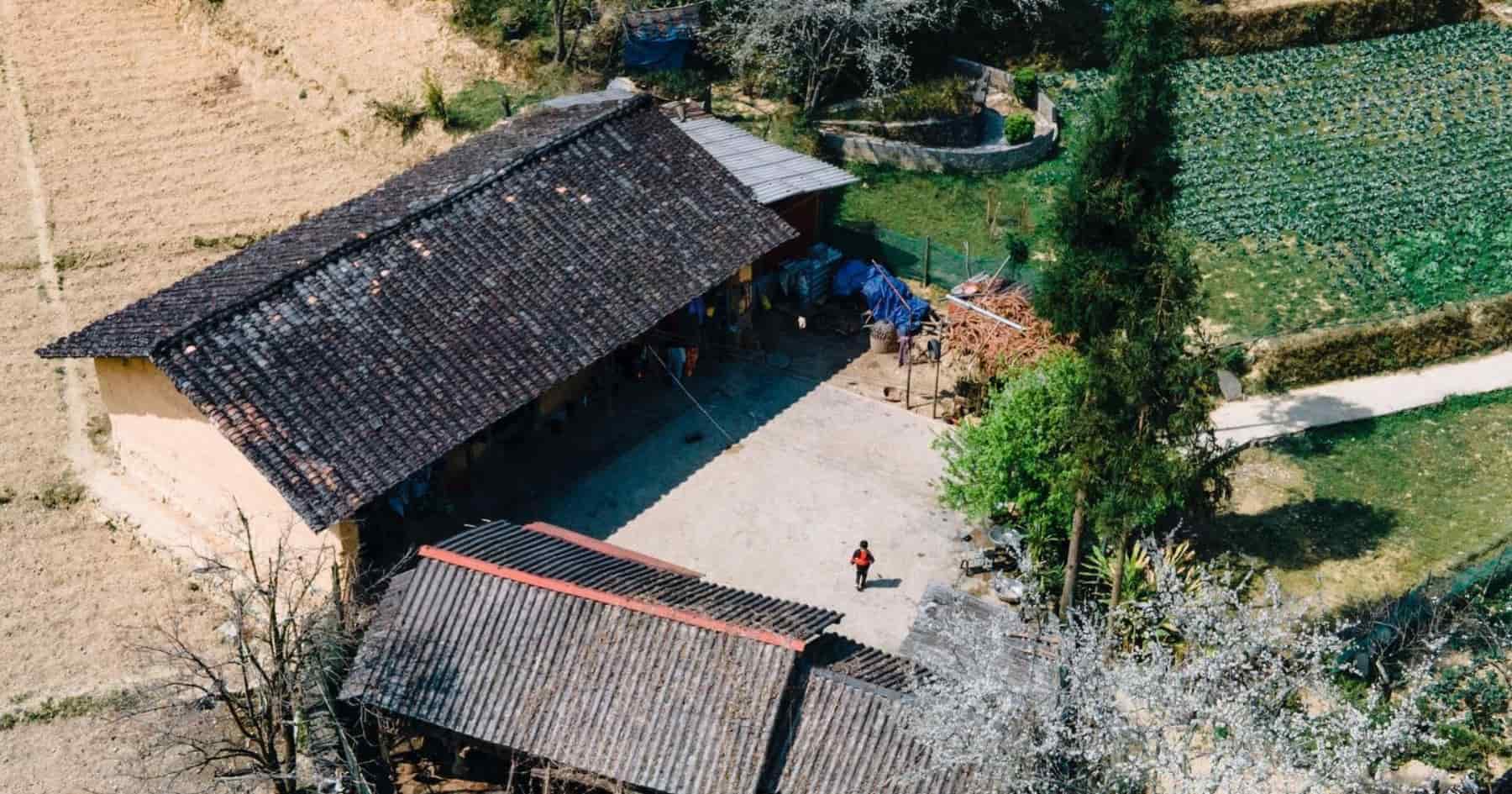
One of the most distinctive cultural features of Pho Cao is the traditional “trinh tuong” houses. You’ll notice rows of yellow earthen-wall houses topped with yin-yang tiles along the road. These houses are built using an ancient technique that compacts clay to form thick, sturdy walls, making them resilient against the harsh mountain climate.
Meanwhile, the Pho Cao market is another charming highlight of the valley. This is a place for locals to trade goods, catch up with friends, or even find a lover, reflecting the lively rhythm and rich cultural identity of the highland life.
With its stunning scenery, strong sense of culture, and genuine human connection, Pho Cao Valley leaves travelers not just with photos but with memories that stay long after the journey ends.
Ready for your next Ha Giang highlight? Don’t miss
Tu San Canyon. 
When is the best time to explore Pho Cao Valley?
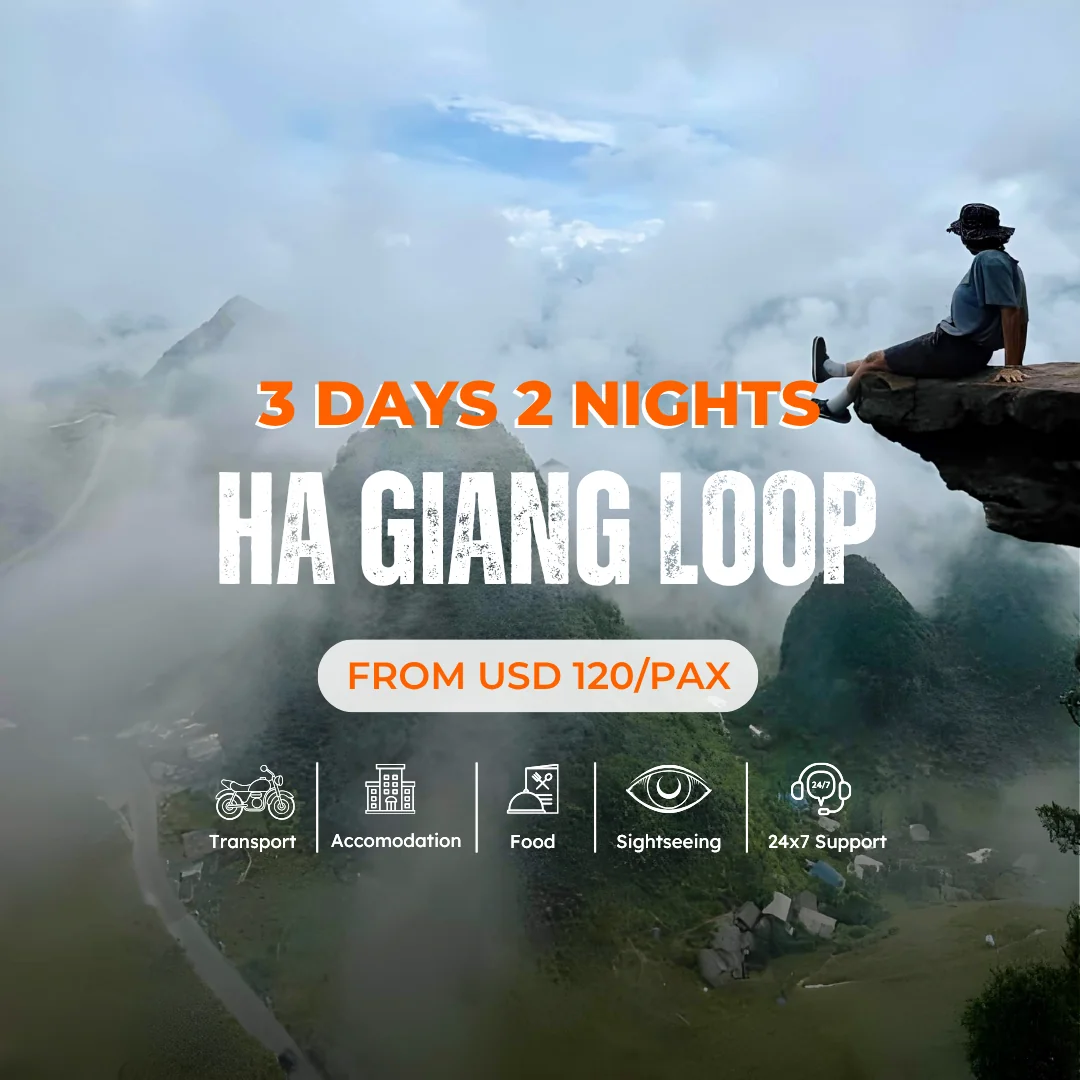
If you want to admire Pho Cao at its most beautiful, September to April is the ideal time to visit.
From September to October, the rice fields turn a rich yellow color, stretching along the roads that lead into the village. Then, November brings blooming buckwheat flowers, painting the valley in soft shades of purple. When Spring arrives, peach and plum blossoms add a gentle pink touch to the landscape. These seasonal scenes capture the raw, natural beauty that makes Ha Giang so unforgettable for travelers.
This period also falls within Ha Giang’s dry season, when the weather is generally pleasant. Daytime temperatures usually range from 15°C to 25°C, with clear skies and sunshine. Mornings and evenings can be cool, making travel through mountain passes safer and more comfortable.
You can still visit Pho Cao at other times of the year, but take note that July and August are the peak rainy months. During this time, heavy rain can make mountain roads more challenging to navigate.
How to get to Pho Cao Valley?
To get to Pho Cao Valley, you’ll first need to reach Ha Giang City. The most convenient option is taking a night bus, which usually takes around 8–9 hours. Most buses are modern sleeper buses with comfortable beds, allowing you to rest well before reaching Ha Giang.

Lila can help arrange bus ticket from anywhere in northern Vietnam. Simply contact us, and we’ll take care of the booking for you
Then, move from Ha Giang City to Pho Cao Valley.
From Ha Giang City, you take National Highway 4C toward Dong Van District. Along the way, you’ll pass through some of Ha Giang’s iconic spots (Quan Ba Heaven Gate, the Twin Mountains, Than Ma Pass) before continuing toward Pho Cao Valley, which lies just a short drive before reaching Dong Van Town.
About transportation, there are two main choices for you, depending on how you’d like to experience the journey:
Option 1: Join a guided tour and do the Ha Giang Loop with driver (Easy Rider) – an experienced local driver who takes care of the journey for you. If you prefer more independence, you can drive your own motorbike while following a local guide (International Driving Permit required). For families or small groups who want a more relaxing trip, a private car tour is an ideal option.
Option 2: Rent a motorbike if you are a confident rider with an International Driving Permit. This is the most adventurous option. If you’re not sure about the direction, check out our route Ha Giang loop to navigate the journey more easily.
Must-Do experiences in Pho Cao Valley
Pho Cao Valley offers a variety of meaningful experiences for travelers who want to connect with the charm of Ha Giang’s highlands. Here are some of the best things to do that will let you fully immerse yourself in the authentic mountain life.
Capture the colors of the seasons
As mentioned earlier, Pho Cao Valley is like a living painting that changes its colors with the seasons. In spring, the hills are tinted with soft pink peach and plum blossoms. In autumn, golden rice fields stretch across the valley as the harvest season arrives. And in winter, purple buckwheat flowers and bright yellow mustard blooms give the landscape a dreamy feel.
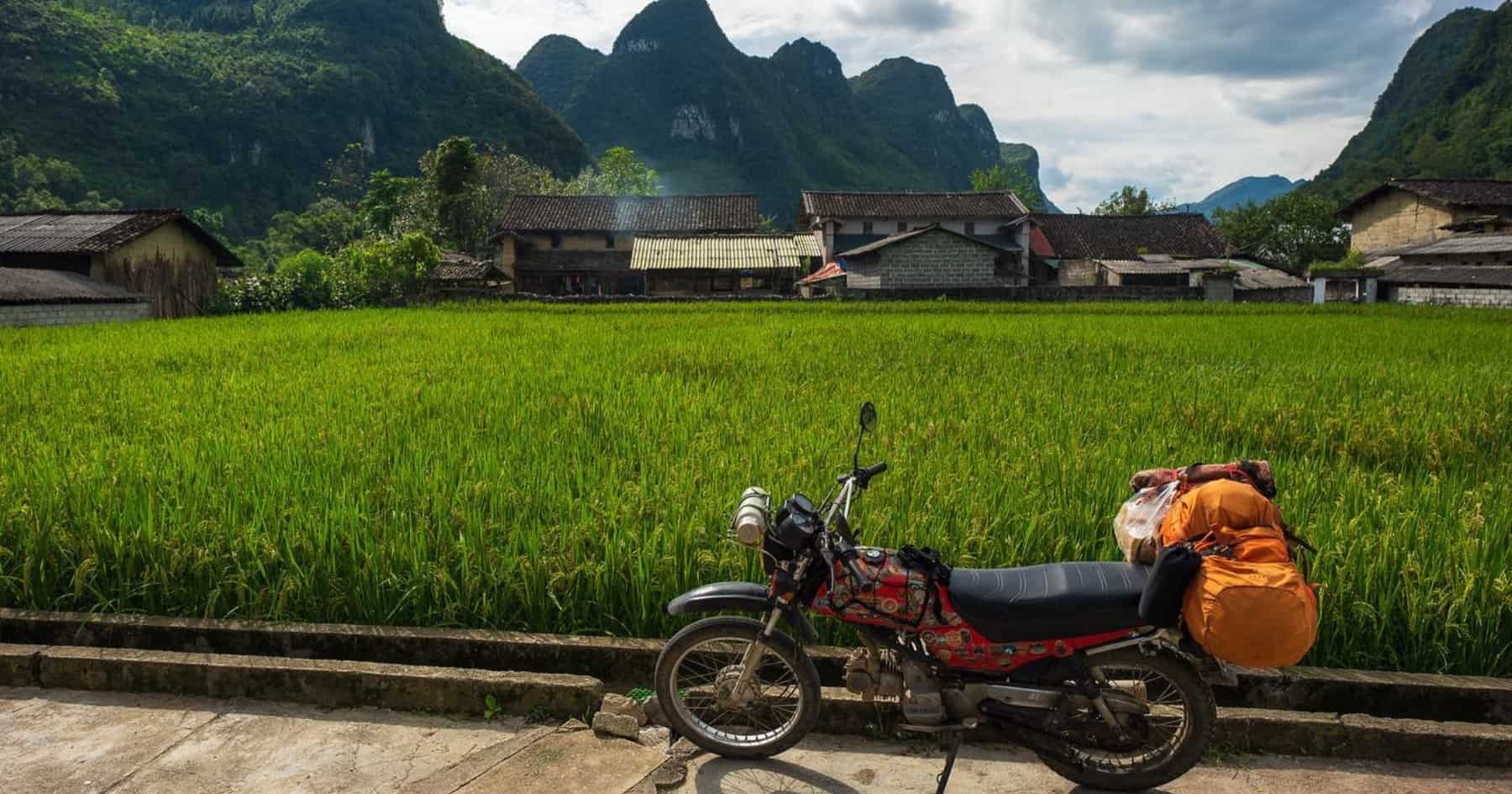
Along the road in Pho Cao, you’ll find a large buckwheat flower garden open to visitors for a small entrance fee. It’s a great spot to stop, wander around, and capture some beautiful photos.
Experience the Pho Cao market
Pho Cao Market is one of the liveliest spots in Dong Van. Most of the goods come straight from nearby villages, such as fresh produce, home-raised foods, and beautifully handmade items by local people. It’s the perfect place to pick up small souvenirs like scarves, bracelets, or embroidered pieces that carry the real spirit of the highlands.
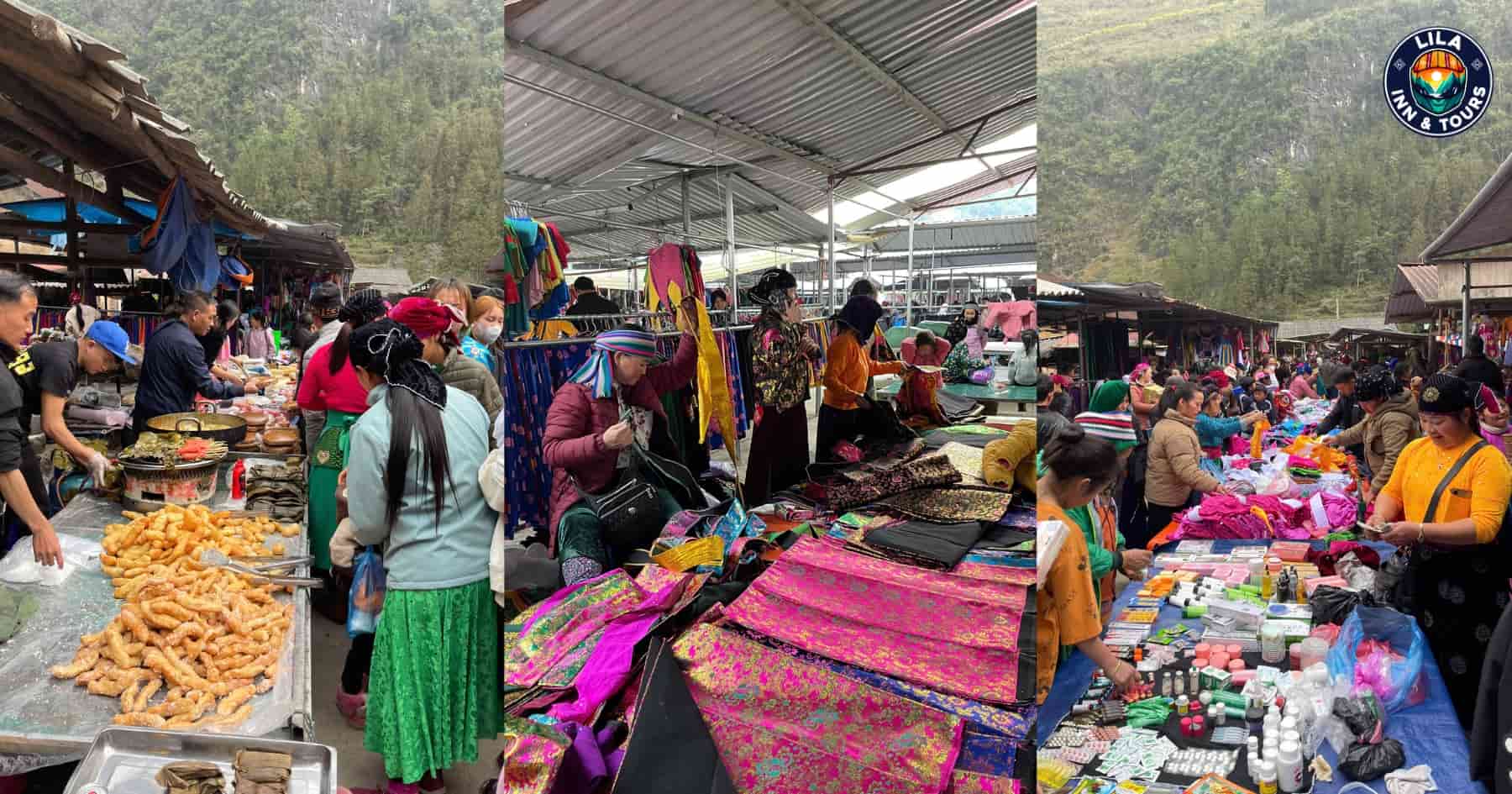
More than just a place for trading goods, the market is a lively social gathering where locals from nearby villages come to meet, chat, and share their stories. You can talk with local people, try on traditional ethnic clothing, and enjoy freshly prepared hot dishes to get a closer look at the culture of the highlands.
It’s recommended to arrive between 7:00 and 10:00 AM to enjoy the market.
Explore the earthen-wall houses
Another special thing you’ll notice in Pho Cao is its traditional trinh tuong houses. Built from compacted earth, these homes are simple but surprisingly practical. The thick walls help keep the atmosphere cool during the summer and warm when winter comes.
As you wander through the village, you can stop by a few homes to get a closer look at their design. In the soft morning light or when flowers are in bloom, these earthy yellow homes will be a beautiful backdrop for taking photos.
Taste the local cuisine
Trying local food is a must-do experience when visiting Pho Cao. Along the way, you’ll find small eateries or can head to the Pho Cao market on Saturday morning to try simple but tasty local dishes. Don’t miss regional favorites like five-colored sticky rice, buckwheat cakes, men men (a traditional H’mong corn dish), or thang co (a hearty stew often enjoyed with a sip of corn wine).
Where to stay near Pho Cao Valley?
About 10km from Pho Cao Valley, there are several friendly homestays and small hotels in the area. These stays are ideal for resting, recharging, and enjoying the fresh mountain air. Below are Lila’s top 5 recommendations for your trip.
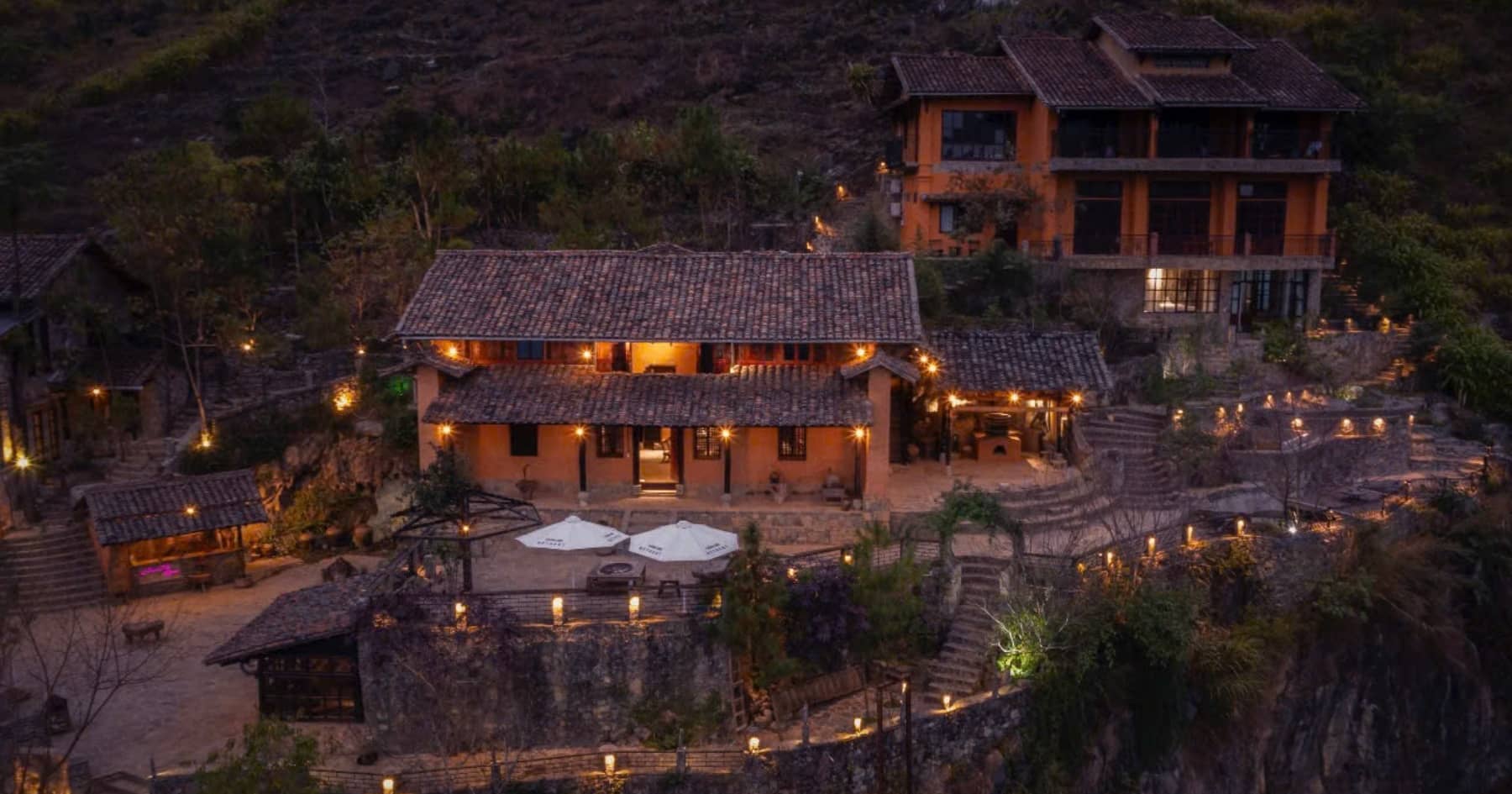
Villa Tham ma
Villa Tham Ma is a quiet stay in Dong Van, located right along National Highway 4C, about 3km from Pho Cao central. The villa features a warm, cozy design using wood, clay, and stone, inspired by traditional local earthen houses. It offers a wide range of clean, well-equipped rooms, from dorms and double rooms to king rooms and family suites, most with beautiful mountain views. A spacious outdoor yard overlooking the Tham Ma pass is perfect for relaxing with a coffee.
The average price starts from 1,000,000 VND to 2,500,000 VND per night.
My Retreat Pho Cao
My Retreat Pho Cao is a relaxed homestay located near the famous Chin Khoanh Pass in Pho Cao, Ha Giang. The place blends traditional local design with simple modern comforts, creating a warm and welcoming atmosphere for travelers. Guests can enjoy wide open views of the surrounding hills from the spacious outdoor areas and restaurant. The homestay also offers many hands-on cultural experiences like making corn wine, weaving linen, or preparing men men, a local specialty. Rooms here are simple but clean and comfortable.
Nha Pao Homestay
Nha Pao Homestay is a simple, well-kept homestay located in Sung La, Dong Van. It was built in a classic stilt-house style using mainly wood, bringing a warm, cozy feel and a close connection to nature. There are dorms and private rooms, offering a comfortable place to rest after a long day on the Ha Giang Loop. The friendly host also serves tasty local dinners, along with tea and coffee in the morning, making guests feel right at home.
The average price starts from 320,000 VND to1200,000 VND per night.
Homestay Chi Vieng
Chi Vieng Homestay is a cozy wooden stilt house homestay that offers a warm and welcoming stay in the highlands of Ha Giang. The space feels simple yet comfortable, with a mix of dorm rooms, double rooms, and family rooms. All rooms are clean and well-equipped. The homestay also serves tasty local dishes made by the hosts, which many guests really enjoy. Guests can relax and socialize with a billiard table and karaoke, making it a fun place to unwind and connect with fellow travelers.
The average price starts from 150,000 VND to 800,000 VND per night.
Homestay Tommy house
Tommy House Homestay is a popular stop on the Ha Giang Loop, loved for its spacious setting and relaxed, social vibe. The homestay offers a variety of dorms and private rooms, with open views over rice fields that make mornings especially peaceful. There’s a large shared area where guests can join activities like campfires, group games, or unwind by the outdoor swimming pool. In the evening, the homestay serves tasty local dinners at reasonable prices.
The average price starts from 120,000 VND per night.
Note: Prices for each homestay are updated based on Booking.com as of December 2025.
Top attractions to explore near Pho Cao Valley
Besides exploring Pho Cao Valley, you can also extend your journey to visit several nearby attractions. These spots are perfect additions to make your Ha Giang adventure even more complete and memorable.
Chin Khoanh Pass
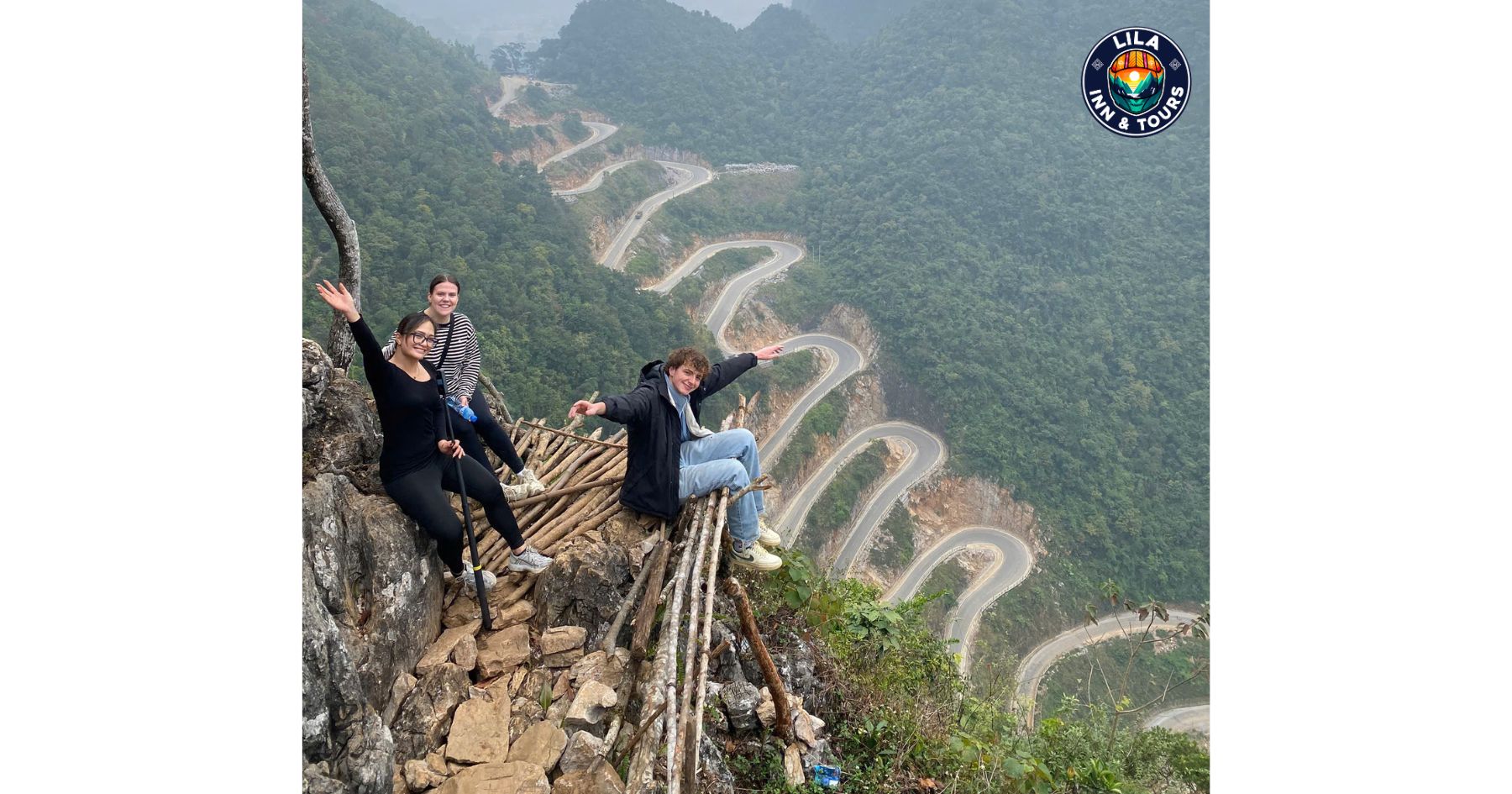
Chin Khoanh Pass is one of Ha Giang’s most distinctive mountain roads on National Highway 4C, connecting Pho Cao and Sung La. As its name suggests, this 2-kilometer pass features nine consecutive sharp turns that even powerful vehicles struggle to climb. Riding up the pass is a mixed feeling experience: a little scary, but truly exciting and satisfying. There will be a simple stop along the way where you can pause to rest, admire the view, take photos, and mark the moment of conquering one of the region’s iconic slopes.
Lung Cam Village in Sung La
Lung Cam village is nestled within Sung La Valley, just about 8 km from Pho Cao central. With a history of over 100 years, it has become one of Ha Giang’s well-known community-based cultural villages, offering visitors a closer look at local highland life. Here, you can try on traditional costumes, learn simple folk dances, or take part in local festivals when they are held. One of the most popular cultural stops in Lung Cam is the filming location of The Story of Pao’s House, which welcomes visitors to learn more about village life, take photos, and shop for handmade souvenirs.
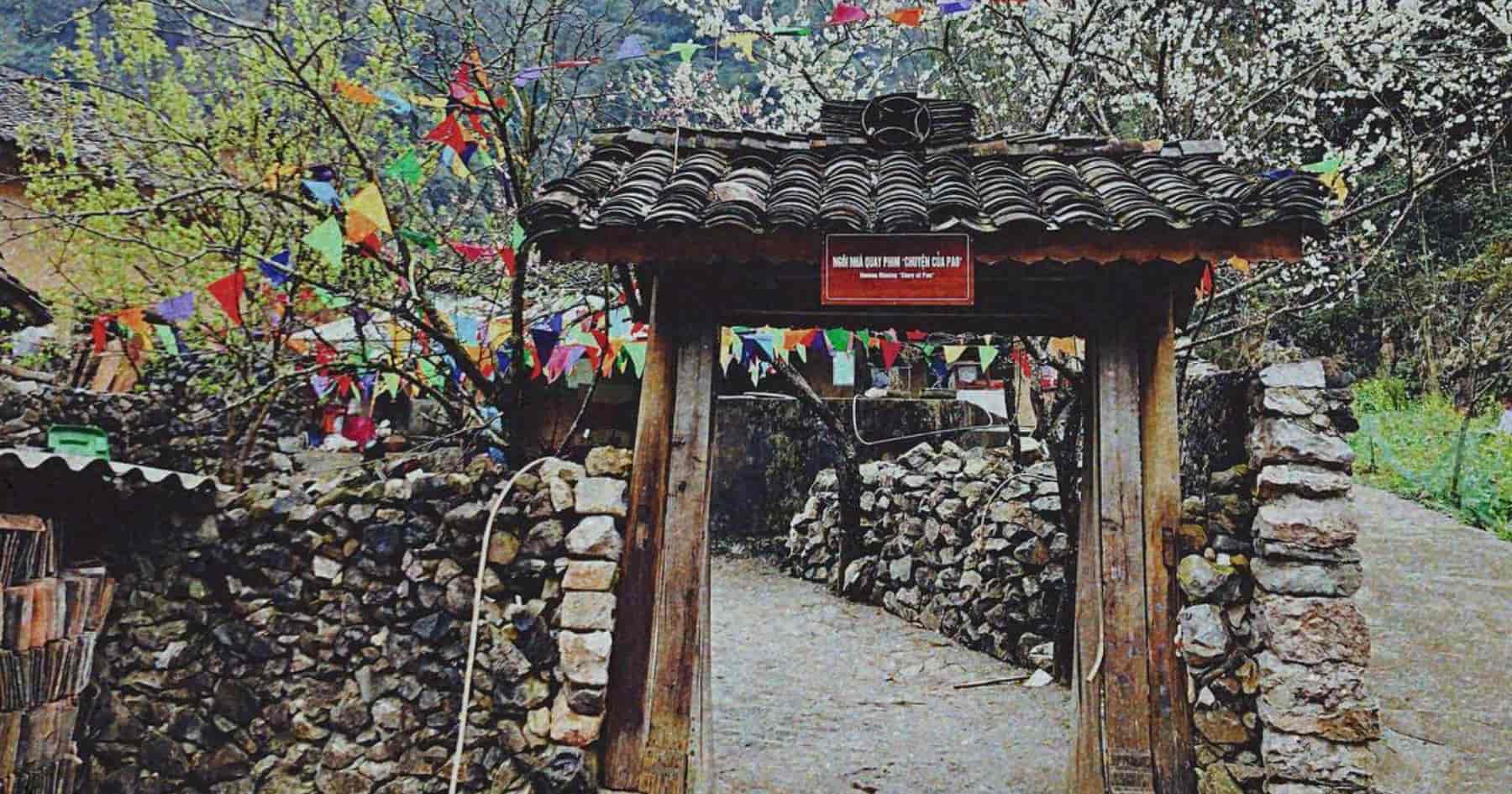
Additionally, this land is known as the “Valley of Flowers” thanks to its beautiful seasonal blooms. Throughout the year, fields of buckwheat, yellow mustard, corn, and cherry blossoms bring soft colors to the landscape, making it one of the most photogenic stops on the Ha Giang Loop.
Pho Bang Town
Located about 10 km from Pho Cao, Pho Bang is known for its quiet, old-world charm. Unlike busier stops on the Ha Giang Loop, this small town remains largely untouched, keeping the raw beauty of the highlands intact. You will be impressed by its weathered wooden doors, aged tiled roofs, and moss-covered walls that tell stories of the past. As the seasons change, Pho Bang also comes alive with blossoms such as peach, plum, buckwheat, and mustard flowers, adding gentle color to its peaceful setting.
From Pho Bang, follow the mountain road deeper to discover the timeless charm of
Lao Xa Village next.
Sao Ha Village
About 11 km from Pho Cao, Sao Ha Village lies high in a secluded valley, surrounded by untouched forest. With only a small number of residents, it feels quiet and far removed from busy tourist routes. Layers of mountains and dense greenery create a raw, peaceful, and slightly mysterious atmosphere. The road leading to the village can be challenging, but for travelers who enjoy wild landscapes and off-the-beaten-path destinations, the journey is truly rewarding.
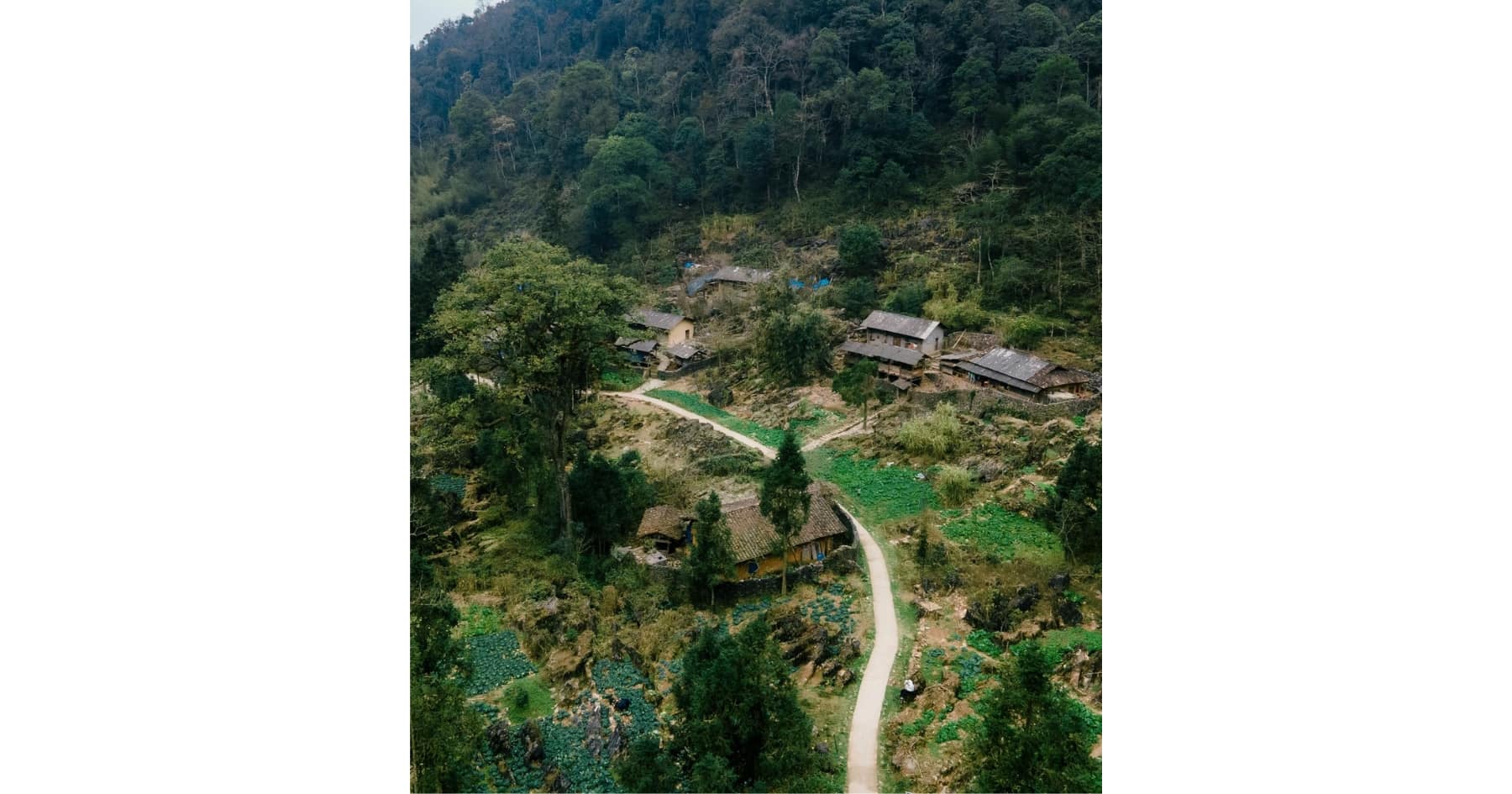
Dragon Cave Sang Tung
About 13 km from Pho Cao, Dragon Cave Sang Tung is an interesting stop for travelers who enjoy nature exploration. The cave has a wide entrance, nearly 10 meters across, and a surprising climate inside. It feels warm and comfortable in winter, while staying cool and refreshing during the summer months. As you walk deeper in, you’ll see rock formations shaped slowly by time, with an easy path that most visitors can explore at a relaxed pace.
If you have extra time, you can continue a bit further to visit the H’mong King’s Palace, a famous century-old palace located in Sa Phin Valley. Or, if you’re drawn to the charm of old villages in Ha Giang, Lung Ho Valley is a worthwhile stop, offering a quieter atmosphere with traces of proud history.
Important notes when exploring Pho Cao Valley
To make your trip to Pho Cao Valley safer, smoother, and more enjoyable, Lila has gathered a few practical tips based on our 8 years of experience guiding tours on the Ha Giang Loop.
- Choose the right season and check the weather: Pho Cao is at its best during the dry season, from September to April. So it is ideal to plan your trip around this time. Always check the weather forecast before you go, as mountain roads can become slippery and challenging on rainy days.
- Pack smart & dress in layers: Bring only the essentials to keep your bag easy to carry. Evenings in Pho Cao can get chilly, so don’t forget a warm jacket. Also, dressing in layers helps you stay comfortable as temperatures change throughout the day.
- Carry cash: ATMs are very limited in remote mountain areas. Cash is especially important if you’re visiting Pho Cao market, where most buying and selling is done in cash.
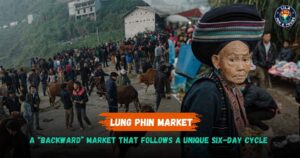
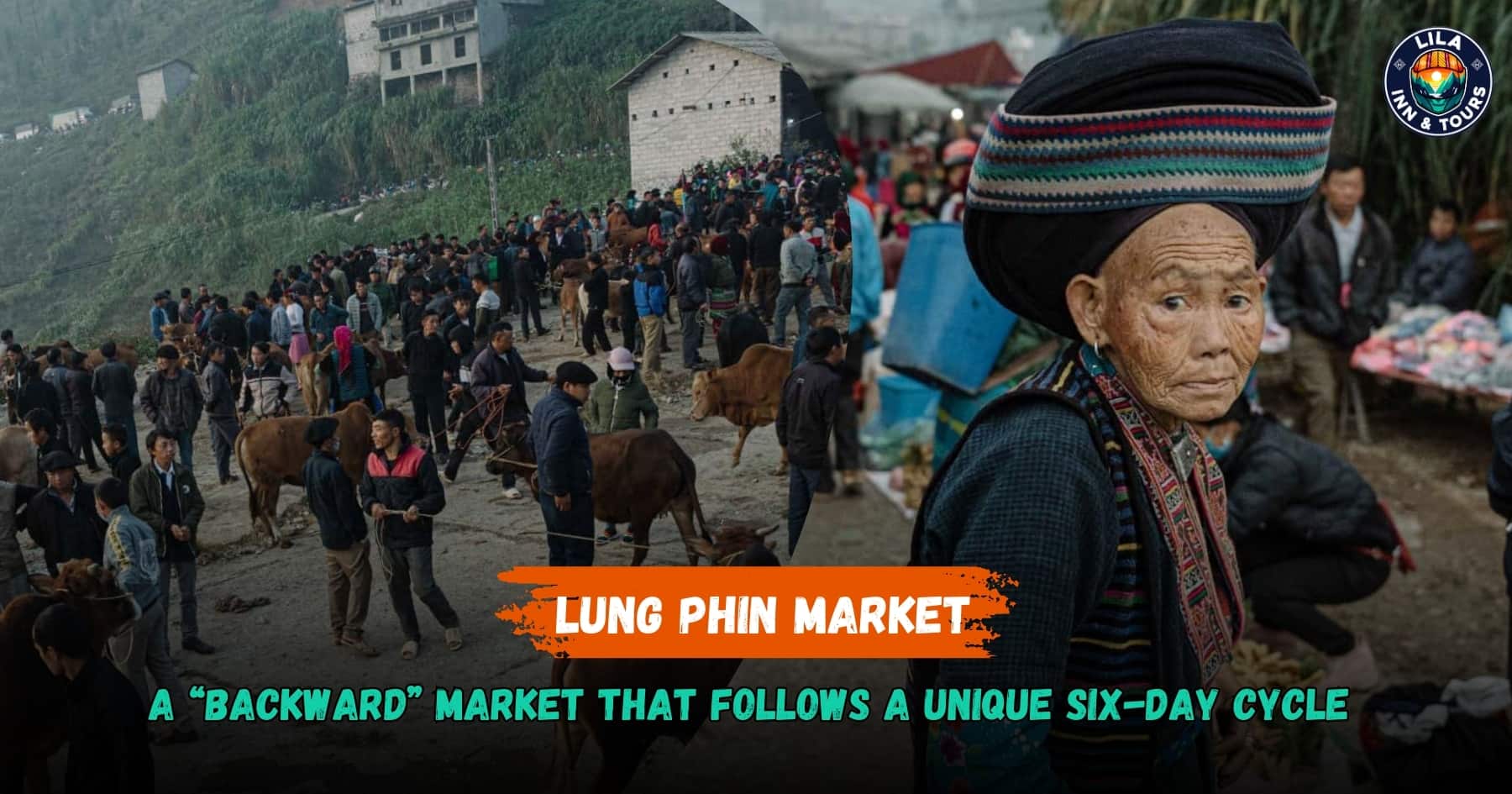
- Double-check the Pho Cao market schedule: The Pho Cao market doesn’t happen on a fixed weekday. It follows a rotating calendar (moving back one day each cycle). To avoid missing it, check with your tour agency or ask locals before planning your visit.
- Respect local culture: Pho Cao is home to rich traditions of the Hmong and Dao communities. Be mindful of local customs, and always ask for permission before taking photos of people.
Explore Pho Cao Valley with Lila Inn & Tours
On the adventurous and exciting journey of the Ha Giang Loop, Pho Cao stands out as a unique highlight: peaceful, poetic, yet joyful. And if you are a fan of the colorful flower seasons and cultural exploration in Vietnam’s highland, Pho Cao is a stop you won’t want to miss on your Ha Giang Loop journey.
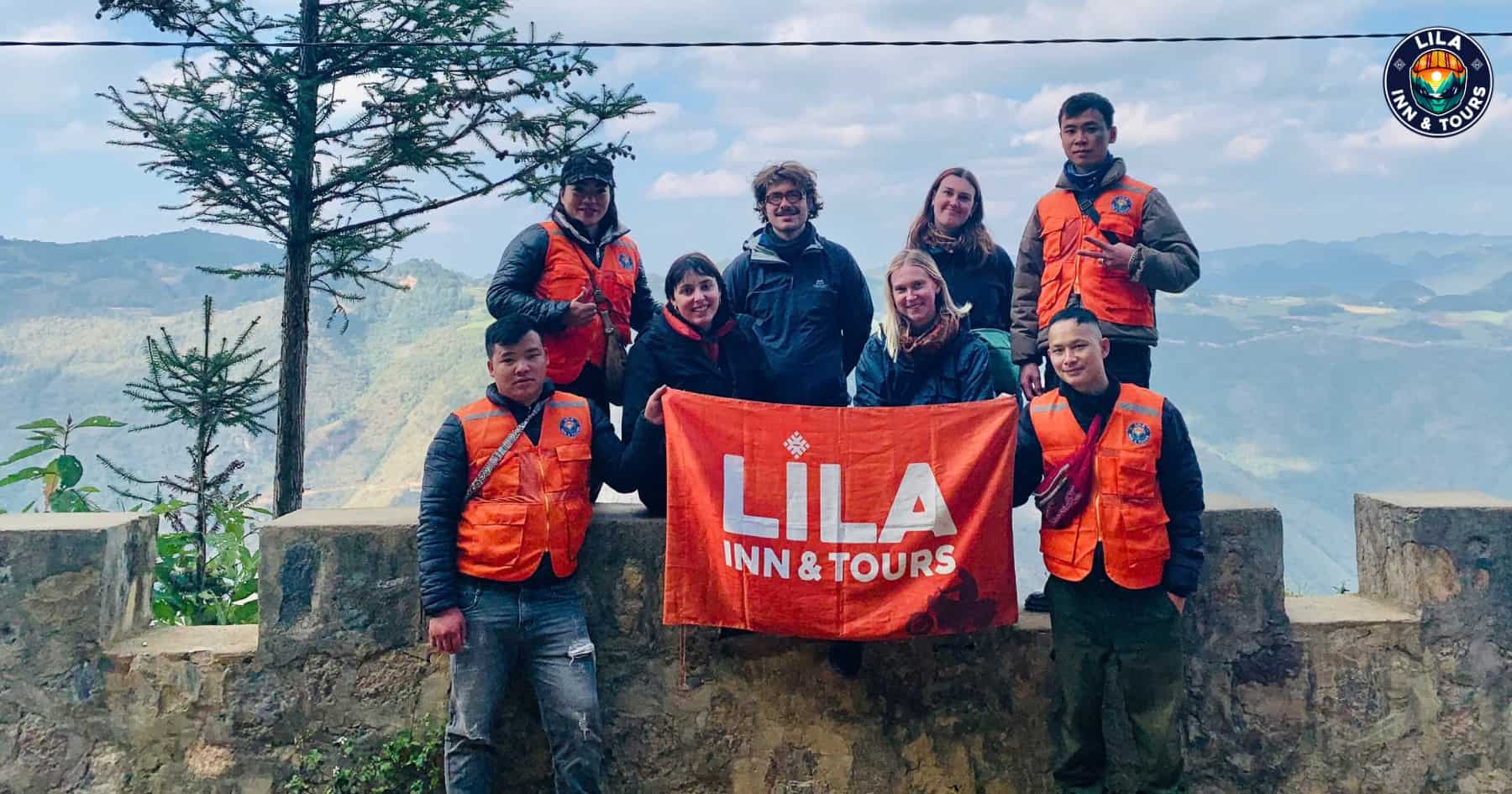
As a trusted local tour company with over 8 years of experience guiding Ha Giang tours, Lila Inn & Tour is here to offer worry-free Easy Rider tours, which take you to Pho Cao valley with everything prepared for you.
We focus on three key priorities to keep your journey safe and enjoyable:
- Safety first with Easy Riders who have over 5 years of riding experience, are professionally trained, and strictly follow safety rules: no overtaking on bends, no riding side-by-side, and never exceeding speed limits.
- Small group tours with fewer than 10 travelers, allowing us to better care for each guest’s experience while ensuring the privacy and personal space you deserve.
- Off-the-beaten-path adventures that take you to lesser-known places most tourists never reach.
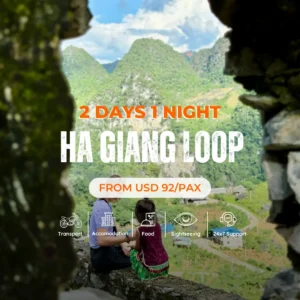
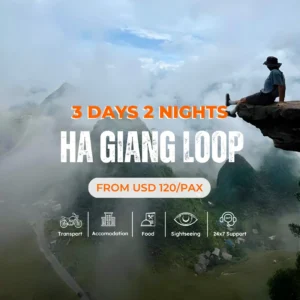
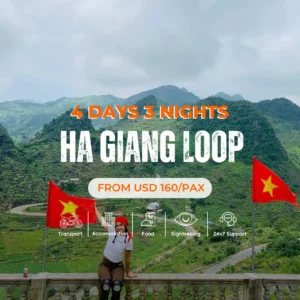
If you’re ready to explore Pho Cao Valley, check out our Ha Giang loop 4-day itinerary, which includes a stop in Pho Cao Valley. Our experienced local Easy Riders will take you on a safe, exciting, and unforgettable journey through the peaceful landscapes of Ha Giang.
Conclusion
If you’re looking for a quiet, gentle place in Ha Giang where you can really connect with local life, nature, and everyday culture, Pho Cao is a great choice. From its ever-changing seasonal landscapes to the warm, lively spirit of its people, every corner of Pho Cao has a story waiting to be discovered. It’s time to add this charming village to your travel list, and feel free to reach out to Lila for more tour information.
Get your Free Ha Giang Loop Guide Plan your dream trip with our Free guide, including suggested itineraries, top attractions, safety tips, and local insights from Lila Inn & Tours
Frequently Asked Questions – FAQs
When is the best time to visit Pho Cao Valley?
The best time to visit is from September to April, when the weather is pleasant, and the scenery is at its most beautiful with golden rice terraces, blooming peach and plum blossoms, and fields of buckwheat flowers.
Do I need a permit to visit Pho Cao?
Yes. Like most areas in Dong Van District, visitors need a travel permit to enter Pho Cao and nearby attractions such as the Hmong King’s Palace and Lung Cu Flag Tower. You can easily obtain it at the Ha Giang Immigration Office or through your tour operator.
Do you have to pay an entrance fee to visit Pho Cao?
No. There’s no official entrance ticket to enter the village or walk around. You’re free to explore the streets, visit local homes, enjoy the scenery, and experience daily life at your own pace. Some specific spots (like flower gardens, private houses, or filming locations) may charge a small fee, but the village itself is open to everyone.
Where is Pho Cao Market, and when does it take place?
Pho Cao Market is located right along the main road through the village. You can easily find the exact spot on Google Maps by searching for “Pho Cao Market.” The market starts early in the morning and does not follow a fixed weekly schedule. Instead, it runs on a traditional rotating cycle, opening once every six days. To make sure you don’t miss it, it’s best to ask local people, check with your tour agency, or homestay host before planning your visit.
Can I rent bicycles to ride around the village?
At the moment, there are no official bicycle rental services in Pho Cao village itself. Instead, walking around the village is one of the best ways to explore, which helps you slow down, connect with local life, and truly feel the rhythm of daily village life.