

Tu San Canyon, hidden deep within the karst plateau of Dong Van, is known as the deepest canyon in Southeast Asia and one of the most unforgettable stops on the Ha Giang Loop.
As you follow Ma Pi Leng Pass, Tu San Canyon appears quietly along the way. It is a unique natural wonder with towering cliffs rising on both sides and the emerald Nho Que River winding gracefully below, creating a breathtaking and poetic landscape. For many travelers, seeing Tu San Canyon with their own eyes is the most exciting highlight on the Ha Giang Loop adventure.
With over 8 years of experience guiding Ha Giang Loop tours, Lila Tour & Inn will help you uncover everything about this enchanting place: its location, history, sceneries, and travel tips.
Let’s get started!
Tu San Canyon: The deepest canyon in Southeast Asia
Tu San Canyon is located in Giang Chu Phin Commune, Meo Vac District, Ha Giang. Resting quietly beneath the Ma Pi Leng Pass, it stretches along the Nho Que River, where steep cliffs rise on both sides. This is known as the deepest canyon in Southeast Asia, stretching 1.7 kilometers in length, reaching nearly 1,000 meters in depth, with rock walls rising 700 to 800 meters above the river below.
There are many ways to experience Tu San Canyon, either from the river or from the heights above.
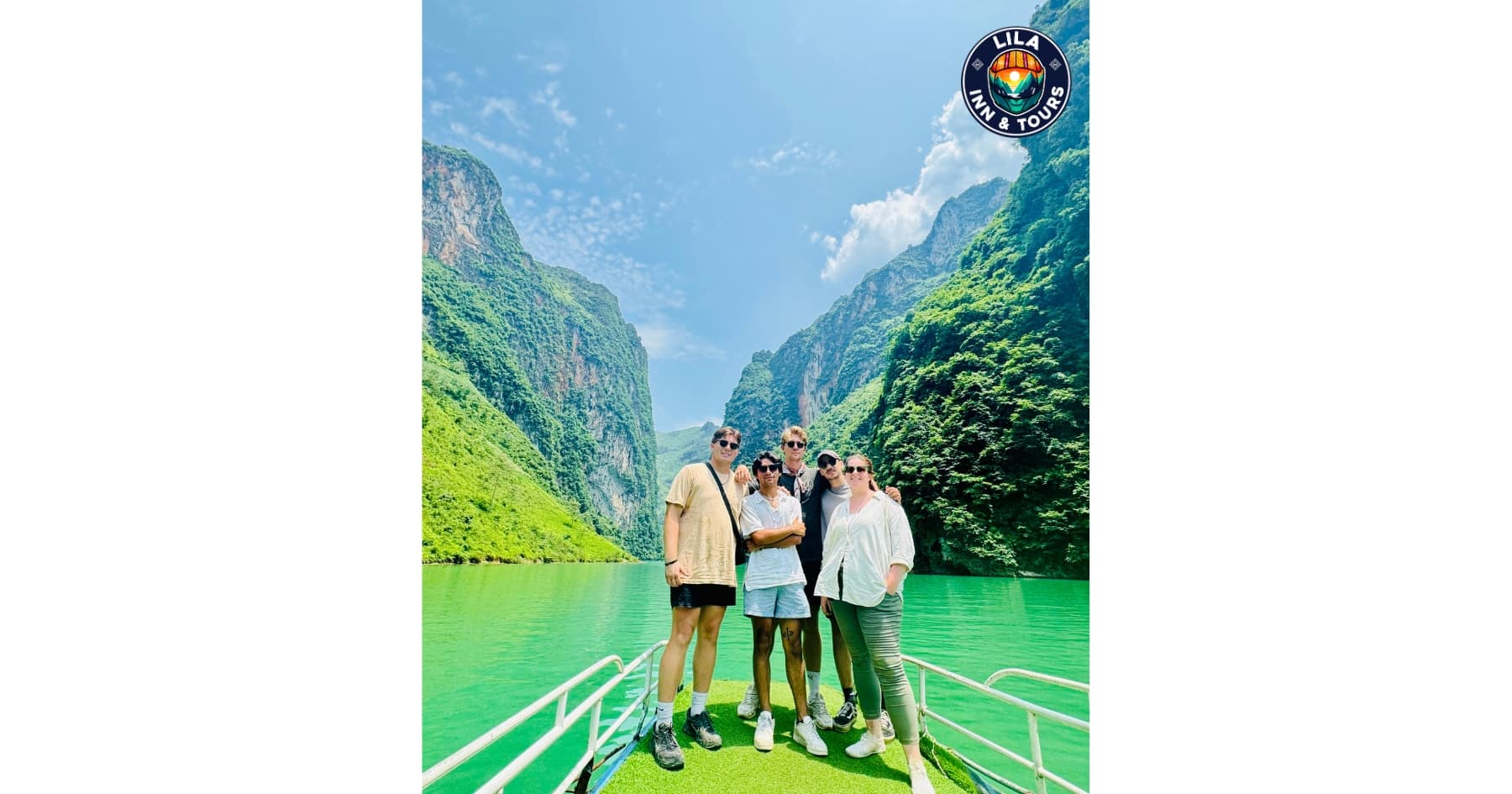
Riding a boat along the Nho Que River is one of the most unmissable experiences of the journey. As the boat comes closer to the canyon, the scenery will unfold slowly around you. Green mountains line the riverbanks, the emerald river flows quietly below, and towering cliffs rise high above. Everything comes together in a way that feels natural and deeply calming.
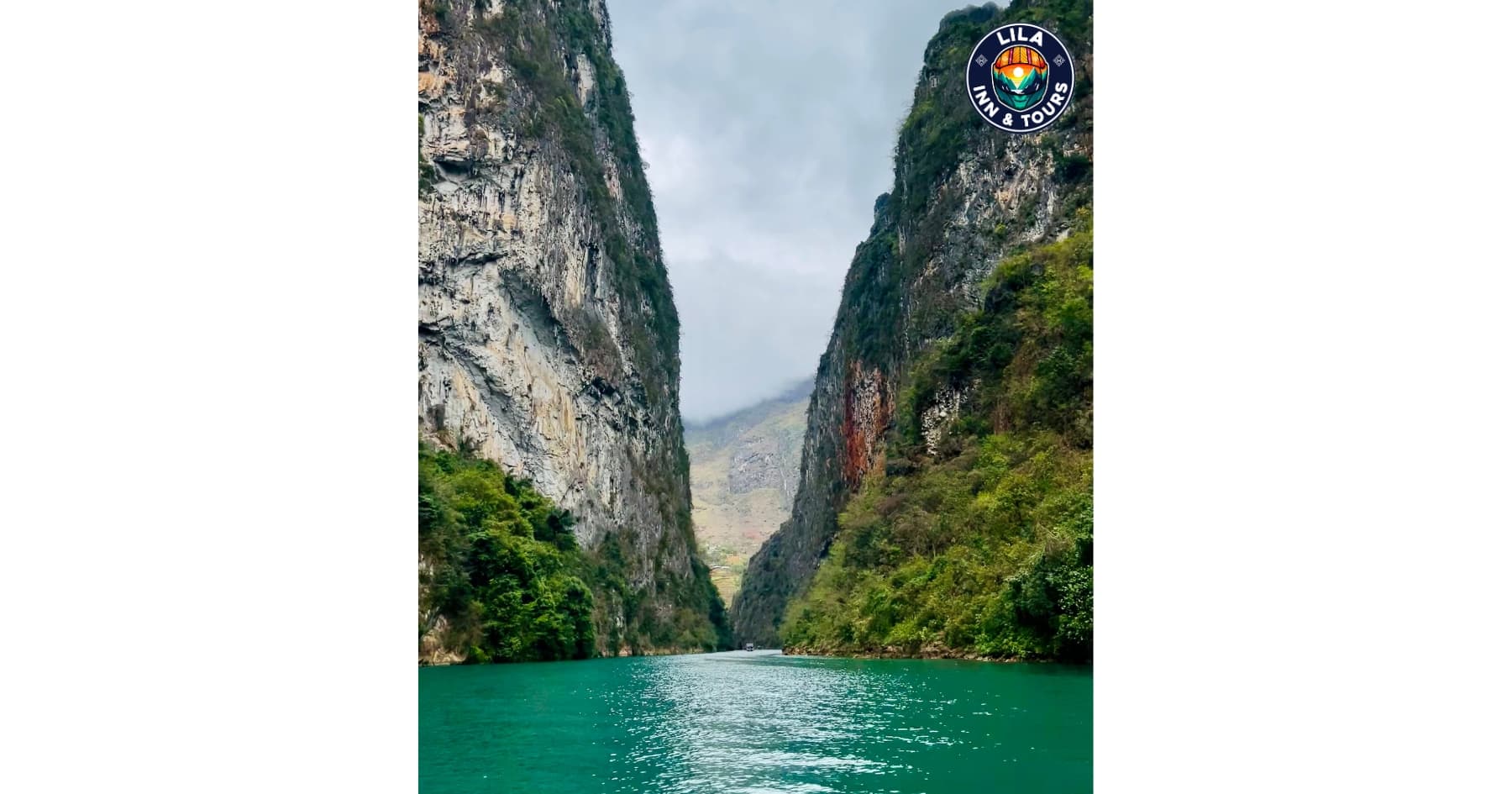
In the past, visitors could only admire the canyon from some viewpoints along Ma Pi Leng Pass. When the dam was built, the river became calmer, and local people began offering boat rides that brought travelers closer to the canyon’s base. Therefore, you can now join a gentle 45-minute boat trip for around 100,000 VND, or choose to kayak if you prefer a more hands-on way to explore the river.
If you prefer a wider view, Ma Pi Leng Pass offers a completely different perspective. Several stops along the pass allow you to look down into the deep canyon, where the Nho Que River curves like a ribbon of jade far below. The scene feels both poetic and powerful.
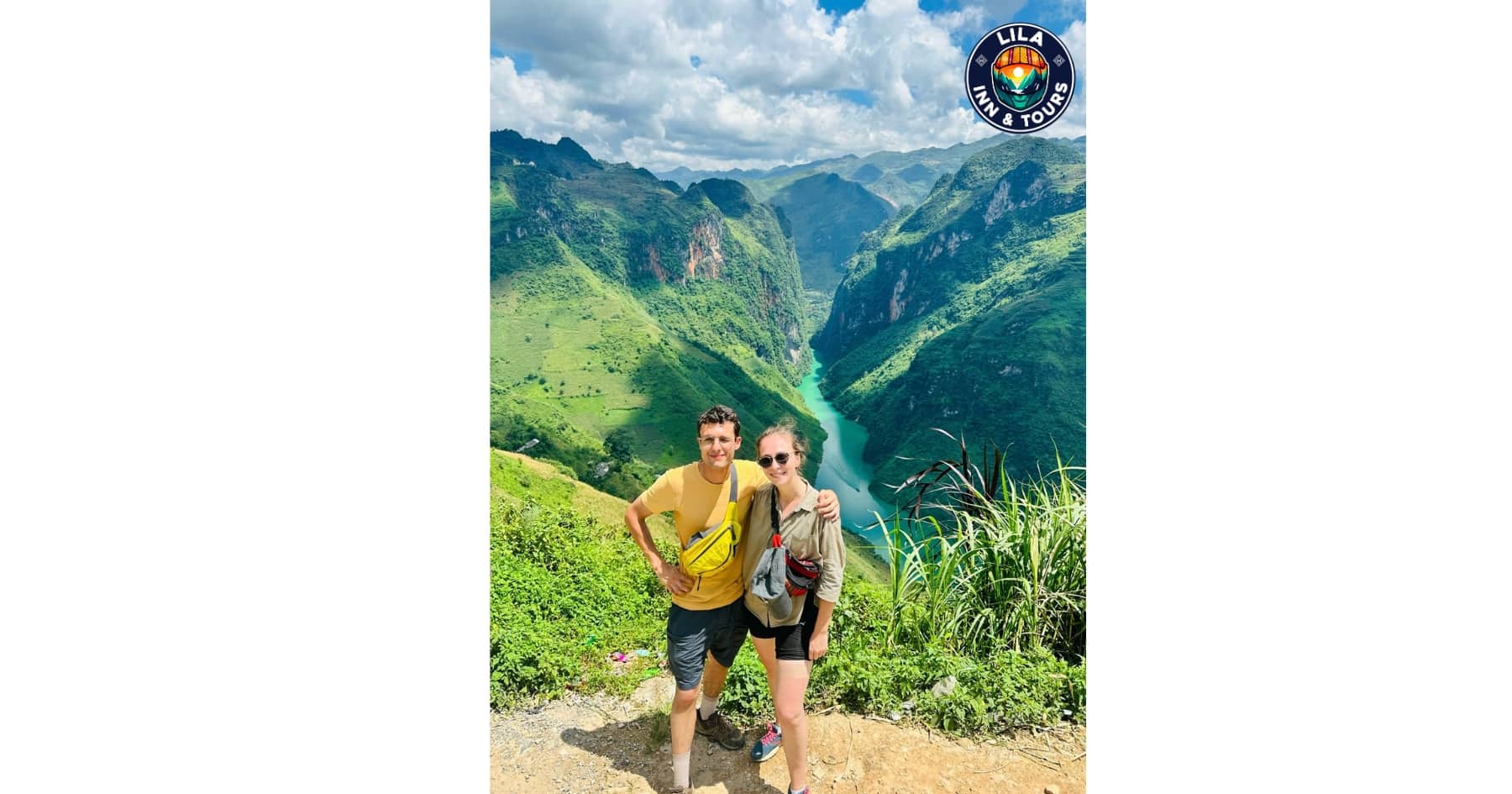
Another interesting experience is staying overnight near the Nho Que River. There are a few local homestays right by the water, where you can wake up slowly, sip a warm cup of coffee, and simply take in the view of Tu San Canyon right outside your window.
Together with Ma Pi Leng Pass, Tu San Canyon holds a rare natural beauty that none can resist when visiting the Dong Van stone plateau.
The perfect time to visit Tu San Canyon

Based on Lila’s experience, the best time to explore Tu San Canyon is during the dry season, from September to April. The weather is usually calm and stable, with little rain and clear skies. Roads along the Nho Que River are safer and easier to travel, so you can easily enjoy a boat ride on the river, take in the full view of the canyon, or even stay overnight.
Among these months, February to March and October are especially loved by travelers.
From February to March, kapok flowers begin to bloom. Their bright red petals stand out against the grey stone mountains, while the Nho Que River shows its most beautiful shade of jade.
In October, buckwheat flowers gently cover the hillsides and paths leading to Tu San Canyon, creating a soft and romantic scene that is perfect for walking, taking photos, and enjoying the quiet charm of Ha Giang.
It’s still possible to visit Tu San Canyon in other months, and the scenery remains impressive in its own way. However, July and August mark the peak of the rainy season, which means sudden heavy rain can make riding on the mountain pass a bit more challenging.
How to get to Tu San Canyon?
To get to Tu San Canyon, you’ll first need to reach Ha Giang City. The most convenient option is taking a night bus, which usually takes around 8–9 hours. Most buses are modern sleeper buses with comfortable beds, allowing you to rest well before reaching Ha Giang.

Lila can help arrange bus ticket from anywhere in northern Vietnam. Simply contact us, and we’ll take care of the booking for you.
Then, move from Ha Giang City to Tu San Canyon.
From Ha Giang City, you follow National Highway 4C through Quan Ba, Yen Minh, and Dong Van to reach Meo Vac. From Ma Pi Leng Pass, continue your journey toward Xin Cai Commune and head to the Trang Huong Bridge area. Here, you can take a boat trip along the river for about 20–30 minutes to reach Tu San Canyon.
About transportation, there are two main choices for you:
- Join a guided tour: Ha Giang Loop guided tours usually offer two main options: motorbike tours and car tours. The most popular choice is a motorbike tour with an Easy Rider, where you sit behind a local driver who knows the roads well and takes care of the journey for you. If you prefer a bit more independence, you can ride your own motorbike while following a local guide (an IDP is required). For families or small groups who enjoy a slower and more comfortable pace, a private car tour is also a suitable option.
- Rent a motorbike: This choice is for confident riders who want more freedom and adventure on the road. An International Driving Permit ( IDP) is also required. If you’re not fully familiar with the route, our Ha Giang loop map can help you navigate the journey more easily.
Each mode of transportation offers its own unique experience. From our local experience, riding with an Easy Rider is often the most enjoyable option. Sitting behind an experienced local driver, you can move through Ha Giang’s winding mountain roads with ease, feeling safe and unhurried, while taking in the stunning scenery around you.
Wondering about the
Ha Giang Loop Easy Rider cost? Check out Lila’s full guide about this tour. 
Top 4 things you shouldn’t miss at Tu San Canyon
Tu San Canyon is more than a place to admire from afar. When you arrive, there are a lot of interesting experiences that help you truly feel the rhythm and beauty of this landscape.
Conquer Ma Pi Leng Pass
Before reaching Tu San Canyon, you’ll need to travel through the Ma Pi Leng Pass, the most legendary route of the Ha Giang Loop. This 20-kilometer pass is narrow and winding, with endless sharp turns and steep drops that even challenge the most skilled riders.
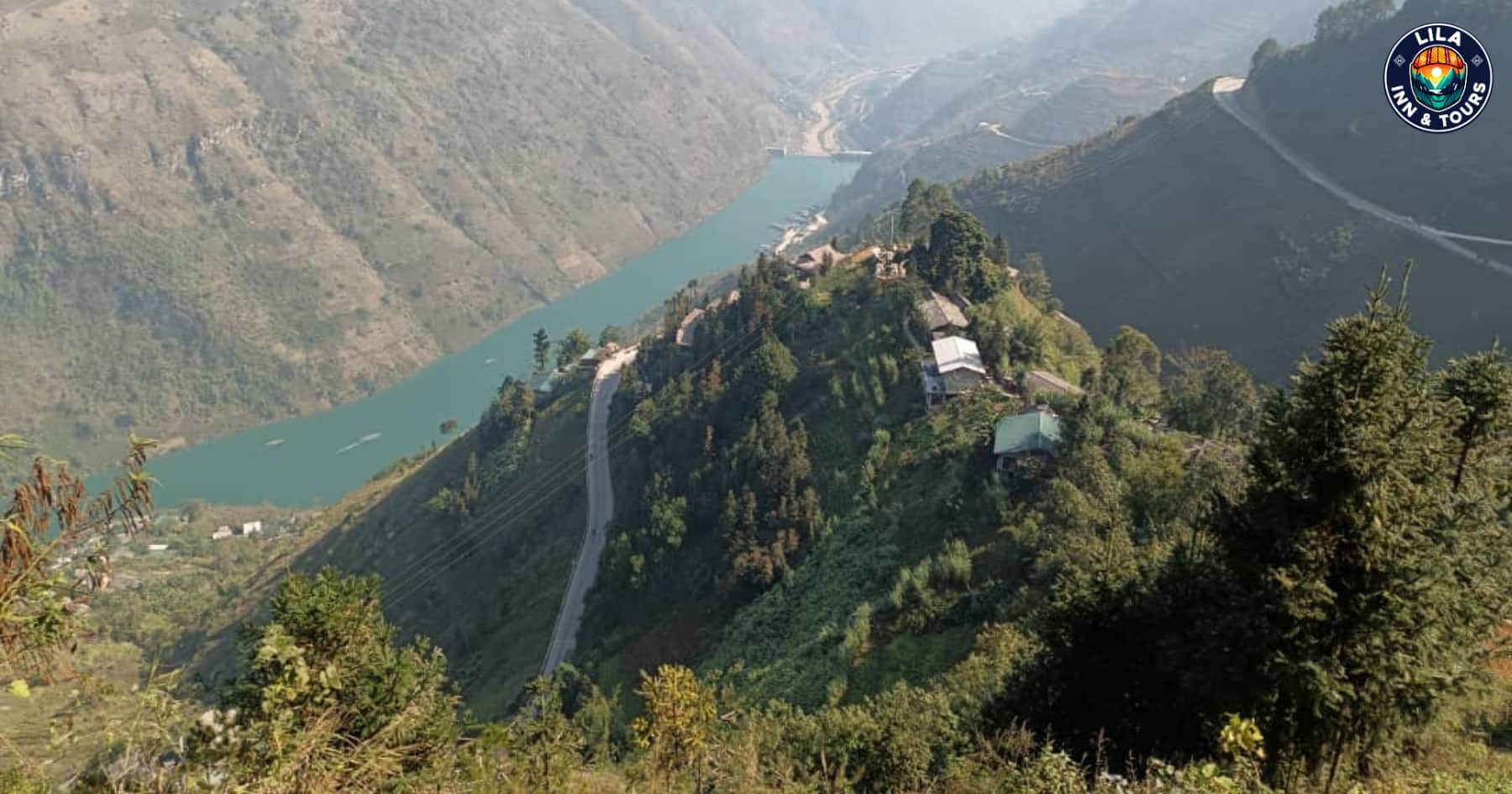
With every curve, the view opens wider, revealing layers of mountains drifting into the clouds. At certain viewpoints along the pass, you can also look down to see the Nho Que River winding below and Tu San Canyon standing at the foot of the pass.
Take a boat ride to admire Tu San Canyon
Riding on a boat is an unmissable experience when visiting Tu San Canyon. You can book a boat steered by local guides and float gently along the Nho Que River toward the canyon. The ride usually costs only around 100,000–150,000 VND per person.
As the boat gets closer, the view of the towering cliffs becomes more and more striking. Take a few photos if you like, but don’t forget to simply sit back and enjoy the view.
Go kayaking on the Nho Que River
For adventure lovers, kayaking is a great alternative to the regular boat ride. You can paddle at your own pace, getting even closer to the canyon’s foot and feeling the quiet power of nature all around.
Enjoy local food by the Nho Que River
After your adventure, take a break and enjoy a meal right by the river.
Several small local eateries serve authentic Ha Giang dishes such as grilled stream fish, hill chicken, boiled mustard greens with egg sauce, grilled river carp, sticky bamboo rice, and grilled wild pork with mac mat leaves. Each dish is beautifully served on bamboo trays or banana leaves, simple yet full of flavor.
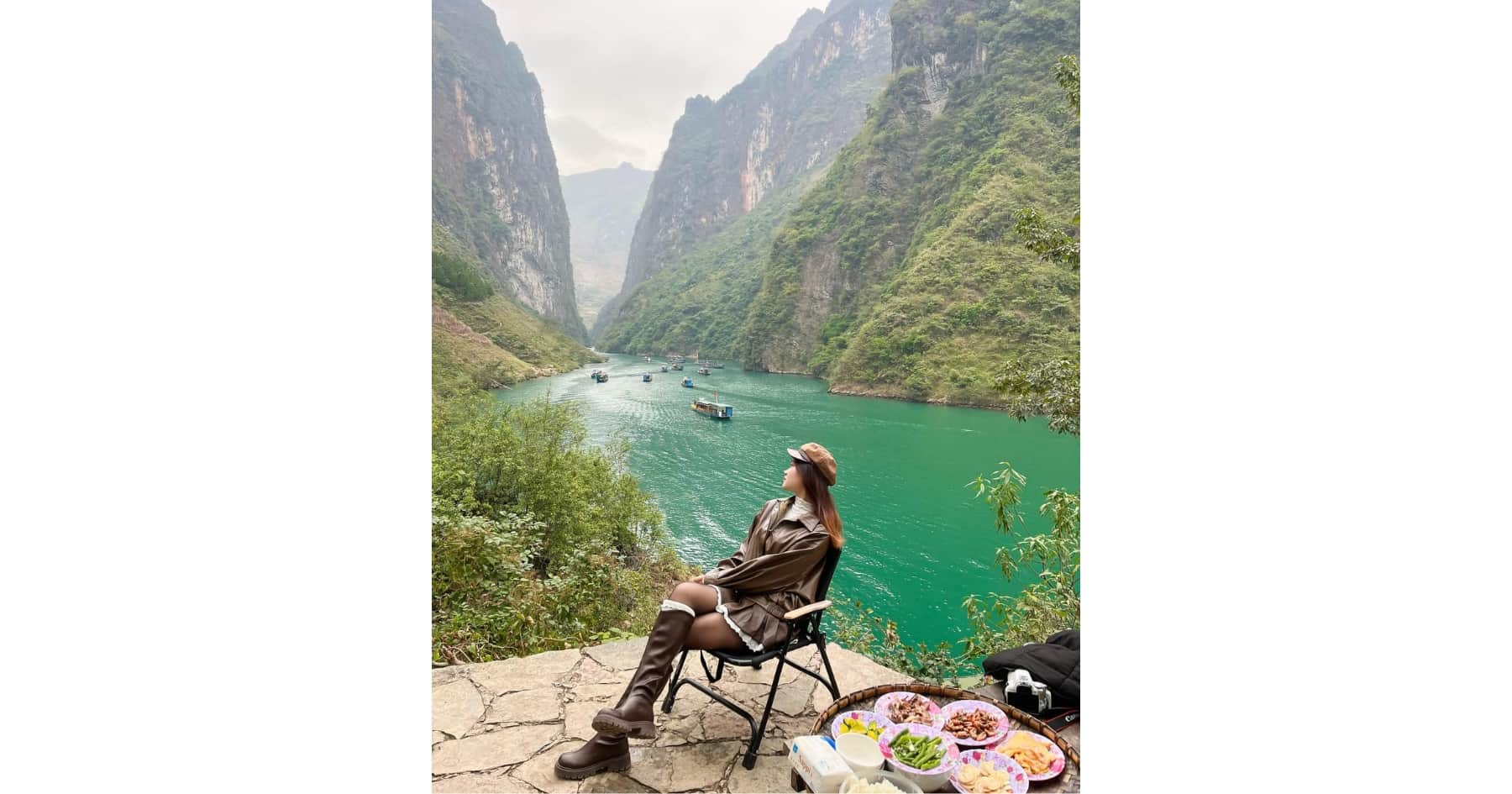
With the view of the Nho Que river flowing before you, dining here feels like sharing a meal in the heart of nature, a truly memorable experience in Ha Giang.
Where to Stay Near Tu San Canyon
Most travelers visiting Tu San Canyon choose to stay in Dong Van or Meo Vac, the two closest areas with good homestays and basic services. Here are 5 well-rated stays near Tu San Canyon recommended by Lila:
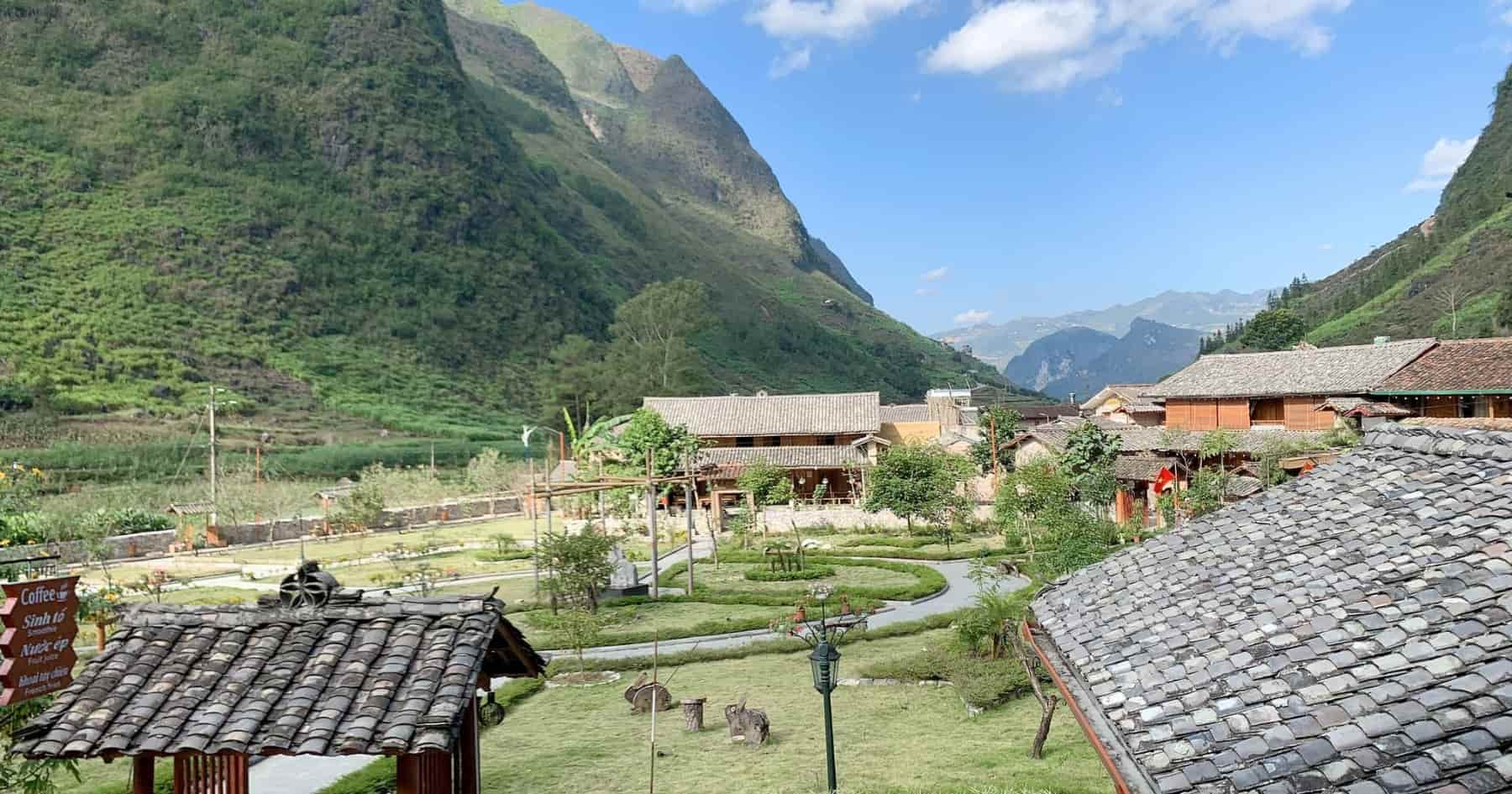
Meo Vac Beehive House
A quiet, comfortable stay in central Meo Vac with clean rooms, private bathrooms, air conditioning, and garden or mountain views. Guests enjoy the shared lounge, outdoor seating, free Wi-Fi, parking, and simple Vietnamese meals.
From 1,200,000–1,500,000 VND/night.
Little Yen’s Homestay
A warm, garden-style homestay with private rooms, family rooms, and dorms—great for couples or groups. It offers a sunny terrace, shared lounge, free Wi-Fi, parking, and home-style meals with vegetarian options.
From 200,000–1,350,000 VND/night.
Meo Vac Sky Homestay
Conveniently located on Highway 4C, this is a simple, cozy stop with private bathrooms, AC, and mountain or garden views. Guests can relax in shared spaces, use the kitchen, and join evening activities.
From 500,000–1,000,000 VND/night.
Pa Vi Homestay
Set in Pa Vi village among dramatic stone mountains, this homestay features cozy private rooms inspired by traditional trinh tuong houses. It also has a large yard for bonfires, camping, and BBQ nights.
Meo Vac Hmong Ecolodge
A locally built eco-lodge with private rooms and dorms, all with en-suite bathrooms. Guests love the home-style meals, herbal baths, and the chance to join free English classes for local children.
What to explore near Tu San Canyon
Besides experiencing the beauty of Tu San Canyon, you can continue your journey to discover several nearby attractions. Each of these spots offers its own unique charm, adding depth and excitement to your Ha Giang adventure.
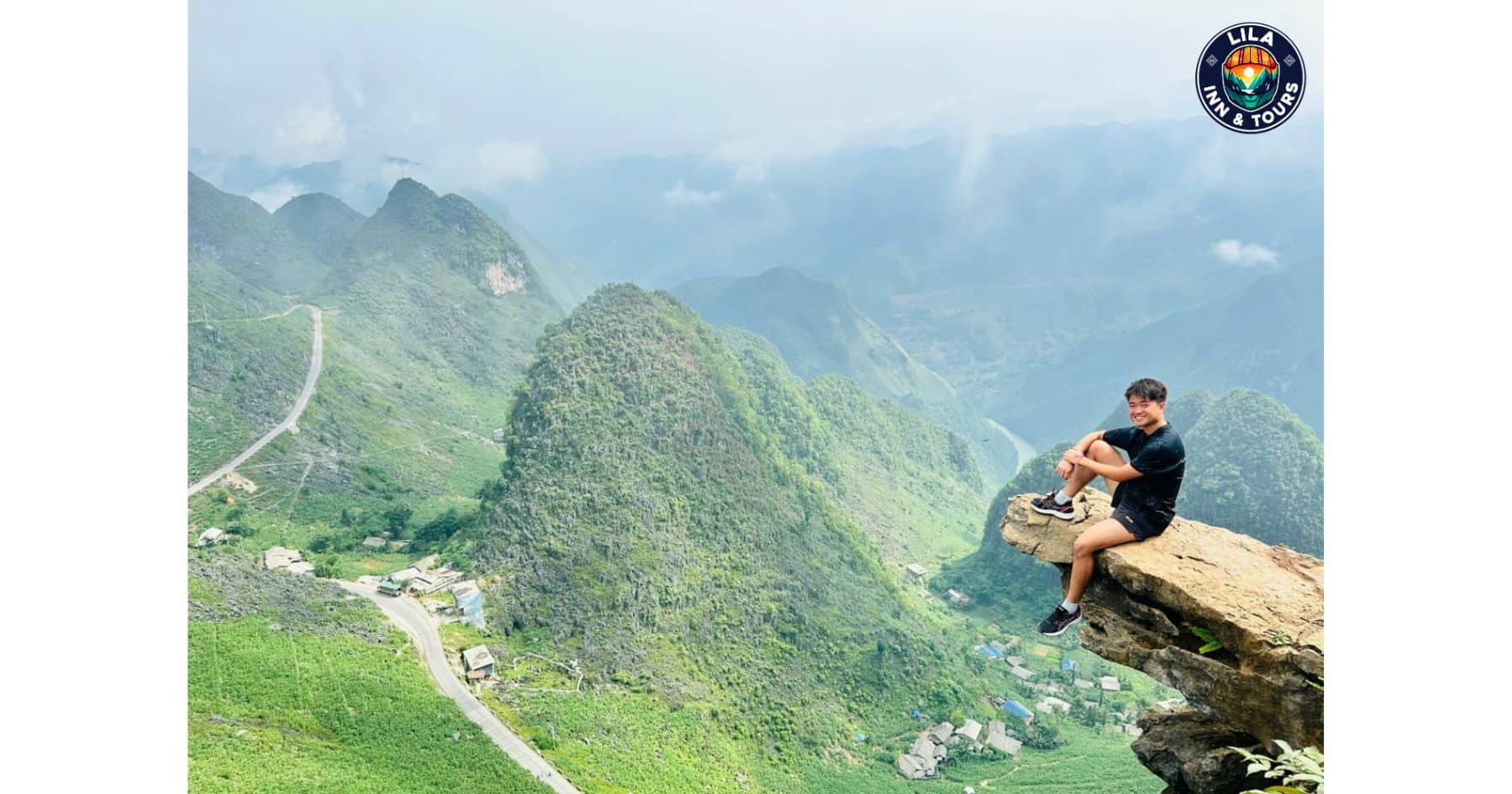
Death Cliff Ha Giang
Just 5 km from Tu San Canyon, the Death Cliff Ha Giang on Ma Pi Leng Pass opens up one of the most striking views in the area. From this viewpoint, you can look down and see the Nho Que River winding through deep limestone valleys below.
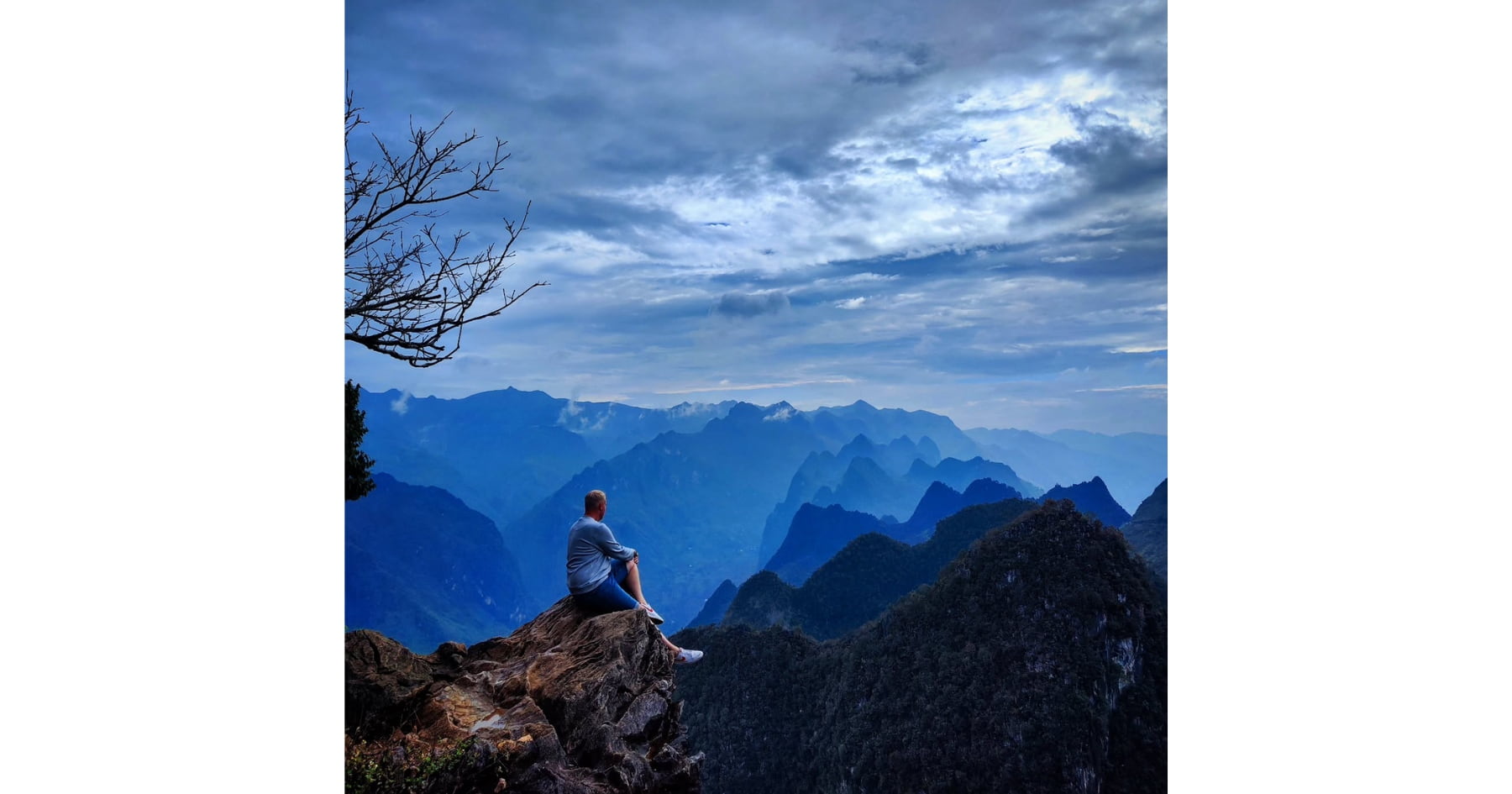
A Pao Dragon Cliff
About 6km from Tu San Canyon, A Pao Dragon Cliff is a small but striking viewpoint, located right along Ma Pi Leng Pass. From the main road, you only need to walk about 100 meters to reach the rock, easier to explore than the Death Cliff. From here, the view opens up to layers of rugged mountains stretching into the distance, and on some mornings, you can even catch clouds drifting below. The spot was discovered by a local man named A Pao, so the rock has since been named after him.
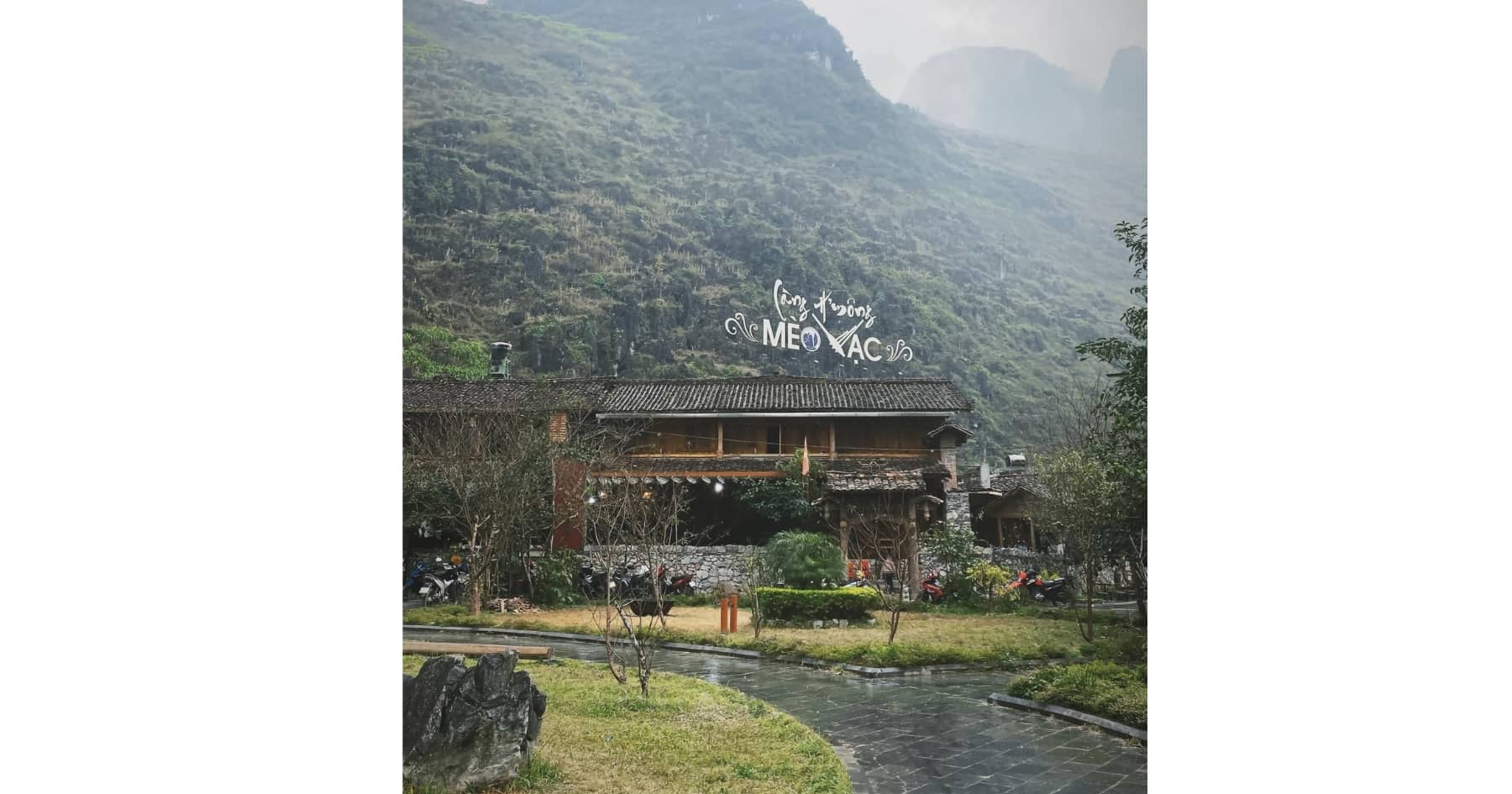
Pa Vi Hmong Village
Approximately 7 km from Tu San Canyon, the Pa Vi Hmong Village, located near Meo Vac Town, impresses visitors with its serene scenery and distinctive stone-built houses. Surrounded by karst mountains, this quiet Hmong community is a welcoming place to stroll around and take a closer look at local life.
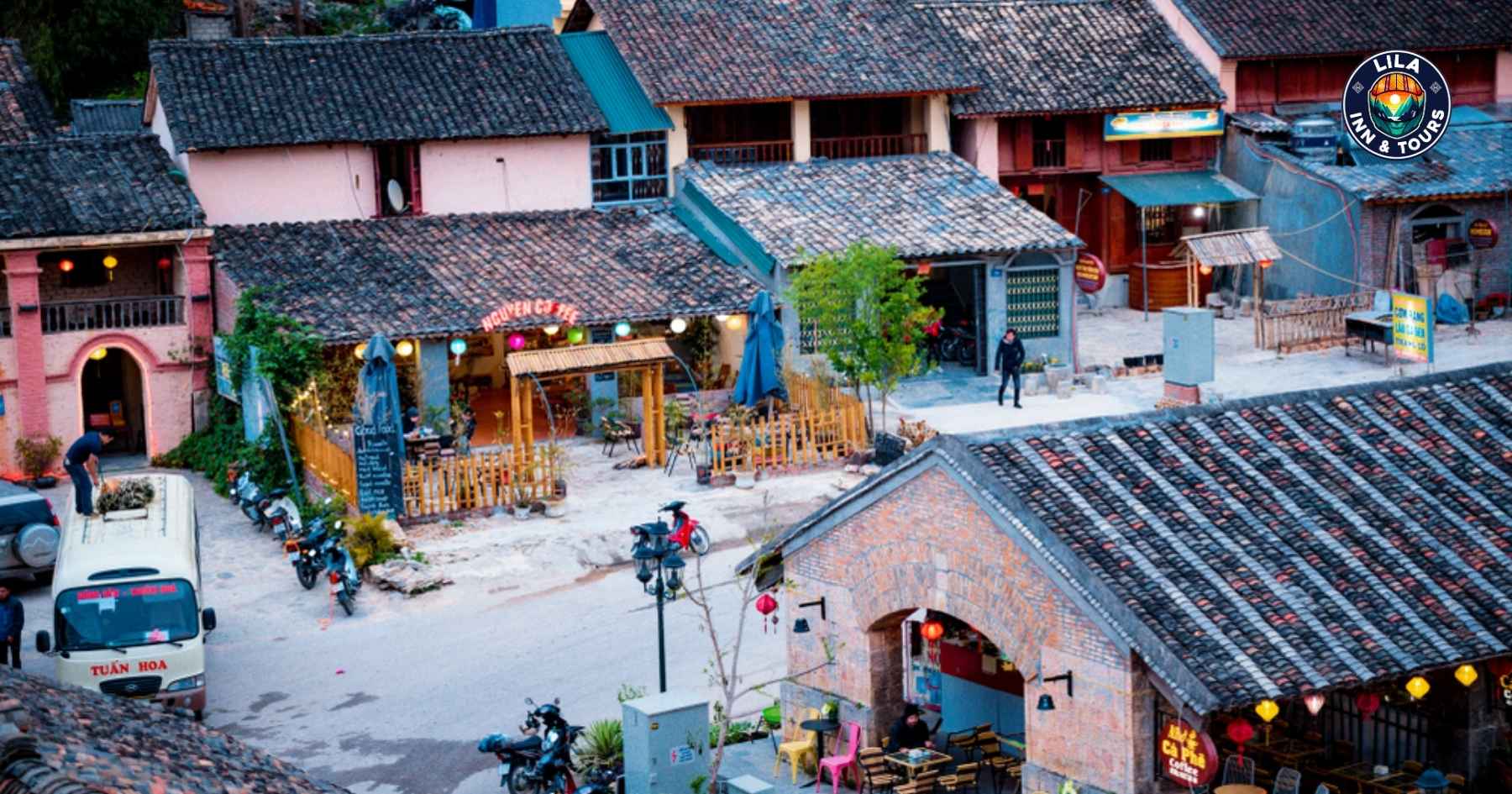
Dong Van Old Quarter
Located about 25 km from Tu San Canyon, Dong Van Old Quarter is a charming historic area in the heart of Dong Van Town. Here, you can find Narrow streets lined with old Hmong houses built from stone and clay, standing quietly through the years. Small cafes and the lively weekend market bring warmth and life to the town, making it a pleasant place to wander, sit for a while, and observe local rhythms after the canyon visit.
Beyond these nearby stops, you can also add a few well-known places to your journey, such as the H’mong King Palace, Pho Cao, and Lung Ho Valley. All of them lie along the Ha Giang Loop, making them easy to visit without rushing. Stopping by these places gives you more time to explore the region’s history, culture, and everyday life of the region.
Must-have tips to explore Tu San Canyon

To make your trip to Tu San Canyon safer, smoother, and more enjoyable, Lila has gathered a few practical tips based on our 8 years of experience guiding tours on the Ha Giang Loop.
- Check the weather ahead: Rainy months (July–August) can make the roads slippery, so plan and pack based on the forecast.
- Pack light: Bringing only the essentials makes the ride easier and more comfortable.
- Dress in layers: The weather can change quickly, from warm sun to cool winds.
- Start early: Mountain roads are safest in daylight, with better visibility and fewer risks.
- Wear proper gear: A helmet, long sleeves, and sturdy shoes offer basic protection on the road.
- Download offline maps: Phone signal is weak in many areas, so offline navigation is useful.
- Carry cash: ATMs and card payments are limited in smaller towns and villages.
- Respect nature: Take your trash with you and help keep the landscape clean.
Explore Tu San Canyon with Lila Inn & Tours
Tu San Canyon is one of those places that offers the perfect opportunity to witness the miracle of nature. As you drift along the Nho Que River toward the canyon, you can’t help but feel small beneath the emerald water and the towering stone cliffs rising on both sides, leading into the deep, narrow gorge ahead. It is a quiet, powerful moment that stays with you long after your Ha Giang journey.
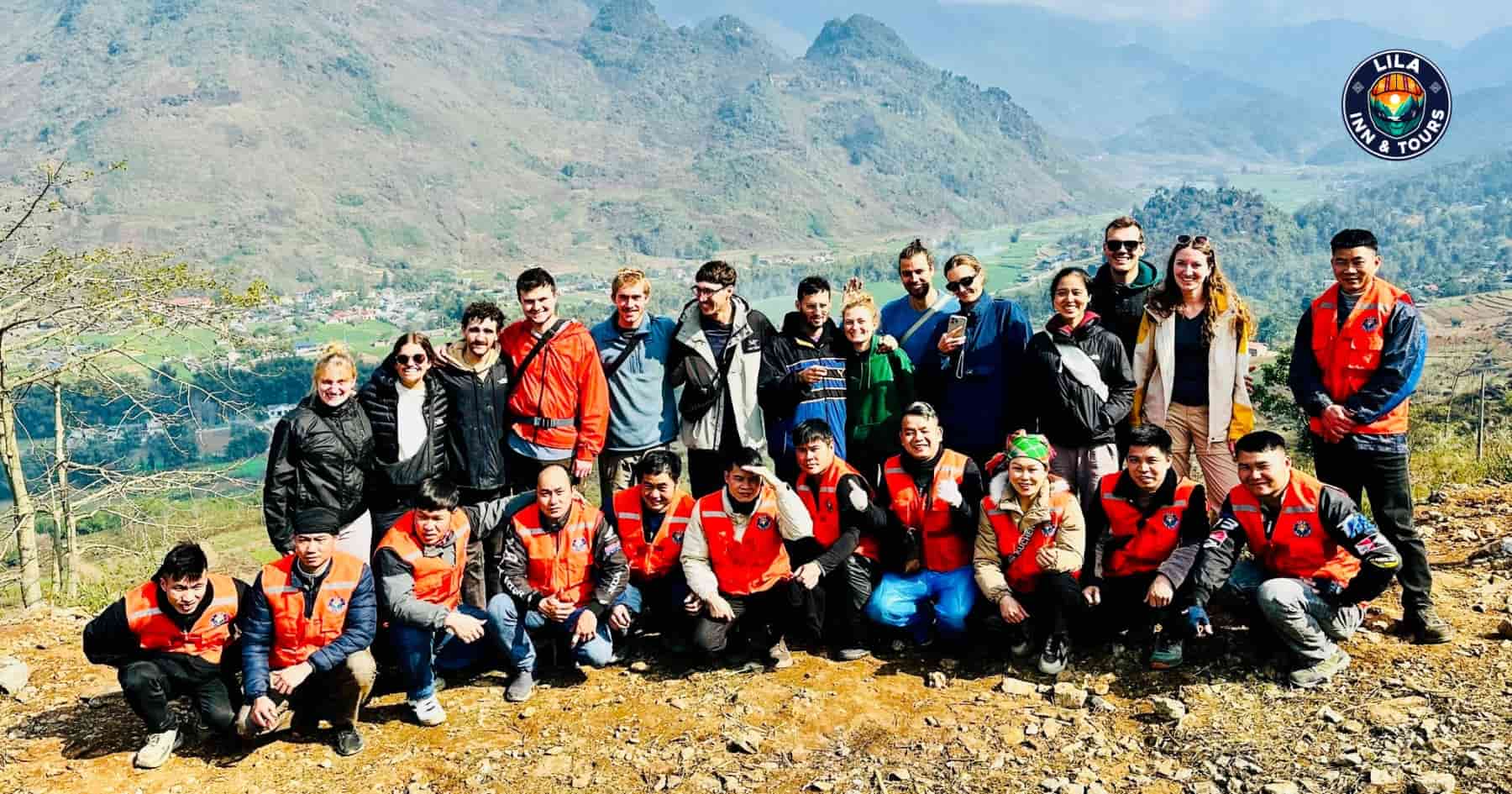
As a trusted local tour company with over 8 years of experience guiding Ha Giang tours, Lila Inn & Tour is here to offer worry-free Ha Giang Loop tour Easy Rider, which takes you to Tu San Canyon with everything prepared for you.
We focus on three key priorities to keep your journey safe and enjoyable:
- Safety first with Easy Riders who have over 5 years of riding experience, are professionally trained, and strictly follow safety rules: no overtaking on bends, no riding side-by-side, and never exceeding speed limits.
- Small group tours with fewer than 10 travelers, allowing us to better care for each guest’s experience while ensuring the privacy and personal space you deserve.
- Off-the-beaten-path adventures that take you to lesser-known places most tourists never reach.
If you’re planning to explore Tu San, take a look at our 4 day Ha Giang Loop tours. Our experienced local Easy Riders will take you on a safe, exciting, and unforgettable journey through this striking landscape of Ha Giang.
Conclusion
As Ha Giang locals, we believe that no words can fully capture the beauty of Tu San Canyon. Only when you stand there in person does the scenery reveal its true power, far more breathtaking than any photo could show.
If Tu San Canyon is on your travel list, feel free to reach out to Lila. We’d be happy to accompany you on the journey, share our local insights, and show you how special this place is.
Get your Free Ha Giang Loop Guide Plan your dream trip with our Free guide, including suggested itineraries, top attractions, safety tips, and local insights from Lila Inn & Tours
Frequently Asked Questions – FAQs
- How do I get from Ma Pi Leng Pass to Tu San Canyon?
From Ma Pi Leng Pass, continue driving or riding along the local road toward Xin Cai Commune until you reach the Trang Huong Bridge area, where the boat dock on the Nho Que River is located. From this dock, you can take a boat guided by local boatmen to explore Tu San Canyon up close.
- What is the best way to explore Tu San Canyon?
You can admire the canyon in three ways: from the viewpoints along Ma Pi Leng Pass, by taking a guided boat ride on the Nho Que River, or by trying kayaking for a more hands-on experience. Each option offers a unique perspective of the canyon’s towering cliffs and emerald waters, but the best way is to sit on a boat and ride along the river to get a closer view of the canyon.
- How much does the Tu San Canyon boat trip cost? Is it safe? And do I need to book in advance?
The boat trip to Tu San Canyon usually costs around 100,000–150,000 VND per person. The trip is generally safe, as boats are operated by experienced local boatmen and life jackets are provided for all passengers. However, it’s best to avoid the ride during heavy rain or bad weather.