
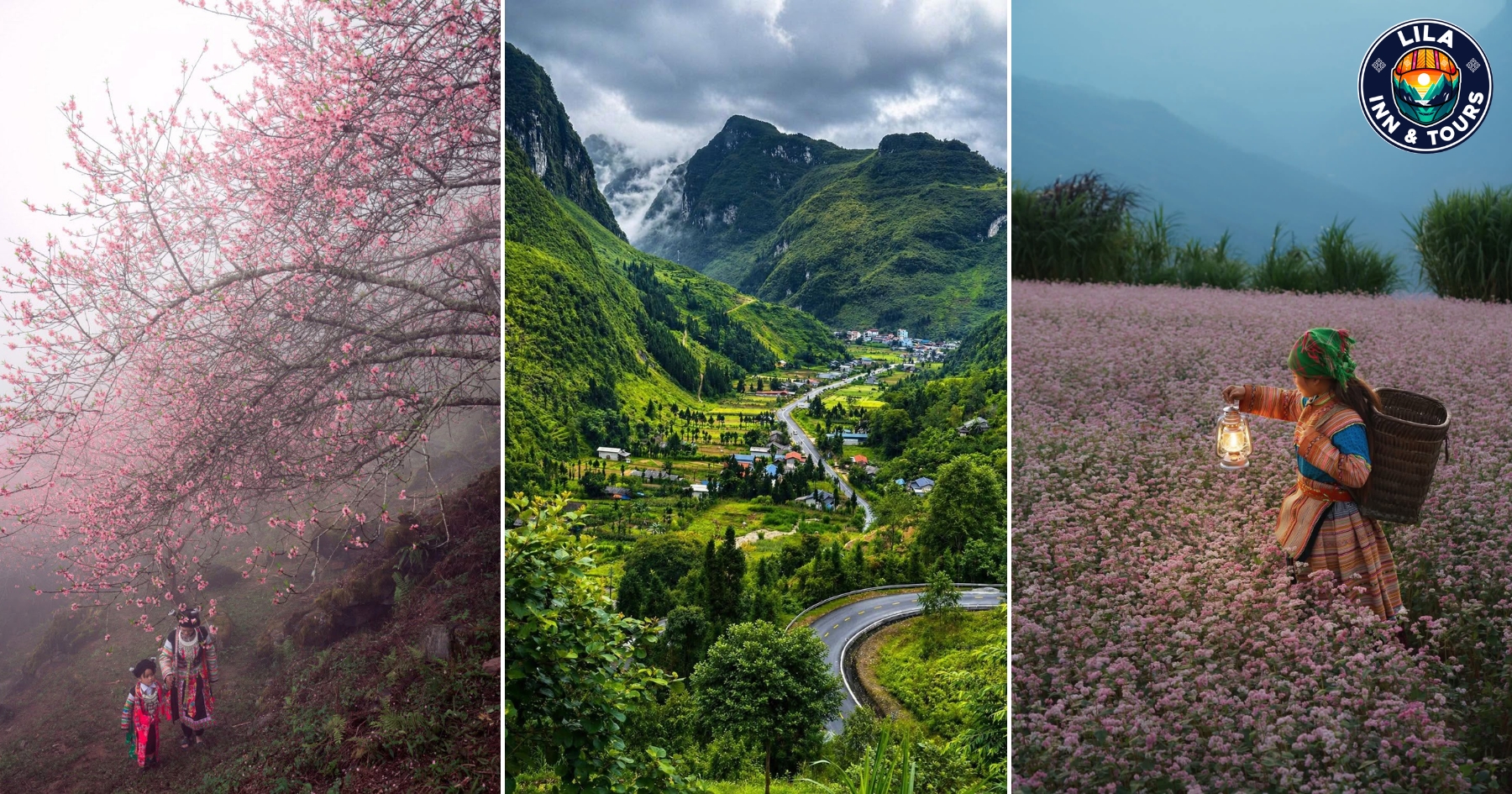
The best time to visit Ha Giang depends on what you want to see and how you plan to travel. For many travelers, September through November offers a good balance of mountain views, seasonal landscapes, and more favorable conditions for the Ha Giang Loop. September to early October is known for golden rice terraces, while buckwheat flowers usually bloom later in autumn.
Spring brings a different experience. From January to March, peach blossoms appear around highland villages, while warmer months turn the mountains and rice fields green. July and August fall within the rainy season, when heavy rainfall can reduce visibility and make some mountain roads slippery.
There is no single perfect month for everyone. Motorbike riders may prioritize dry roads and good visibility, while photographers may plan around golden rice or flower season. Weather can also differ between Ha Giang City and higher elevations around Dong Van, Meo Vac, and Lung Cu.
This guide compares Ha Giang weather month by month, seasonal scenery, rainfall, and road conditions so you can choose when to visit based on your priorities.
Ha Giang weather and seasons at a glance
Ha Giang’s weather changes throughout the year, and conditions can also vary between Ha Giang City and the higher elevations around Dong Van and Meo Vac. Instead of choosing a date by temperature alone, consider rainfall, visibility, seasonal landscapes, and road conditions.
|
Period |
Weather and landscape |
Best for |
| January – March | Cool weather with peach blossoms in some mountain areas | Spring scenery, fewer tourists |
| April – June | Warmer days, greener valleys and rice fields | Countryside views, general sightseeing |
| July – August | Rainy season with higher rainfall and occasional heavy rain | Green landscapes, flexible itineraries |
| September – October | Rice terraces turn golden as harvest approaches | Photography, rice terraces, Loop trips |
| November | Cooler conditions and buckwheat flowers in bloom | Flower season, mountain scenery |
| December | Cold conditions, especially at higher elevations |
Quiet travel, winter landscapes |
No season guarantees perfect weather in the mountains. Check the current weather in Ha Giang before starting each Loop stage, particularly when rain or low cloud could affect visibility on mountain passes
September to December: the best overall time for Ha Giang
For many travelers, September to December is the best time to visit Ha Giang because the landscape changes noticeably across these three months. Rainfall generally begins to ease compared with July and August, while clearer periods can provide better visibility across the mountain passes.
By November, much of the rice has been harvested, but buckwheat flowers begin to bloom around areas like Dong Van and Meo Vac. Cooler temperatures also make longer days on the Ha Giang Loop more comfortable.
If your priorities are photography, seasonal landscapes, and road travel, September or October is a strong choice. Choose November if flower season matters more than seeing the golden rice.
September and early October for golden rice terraces
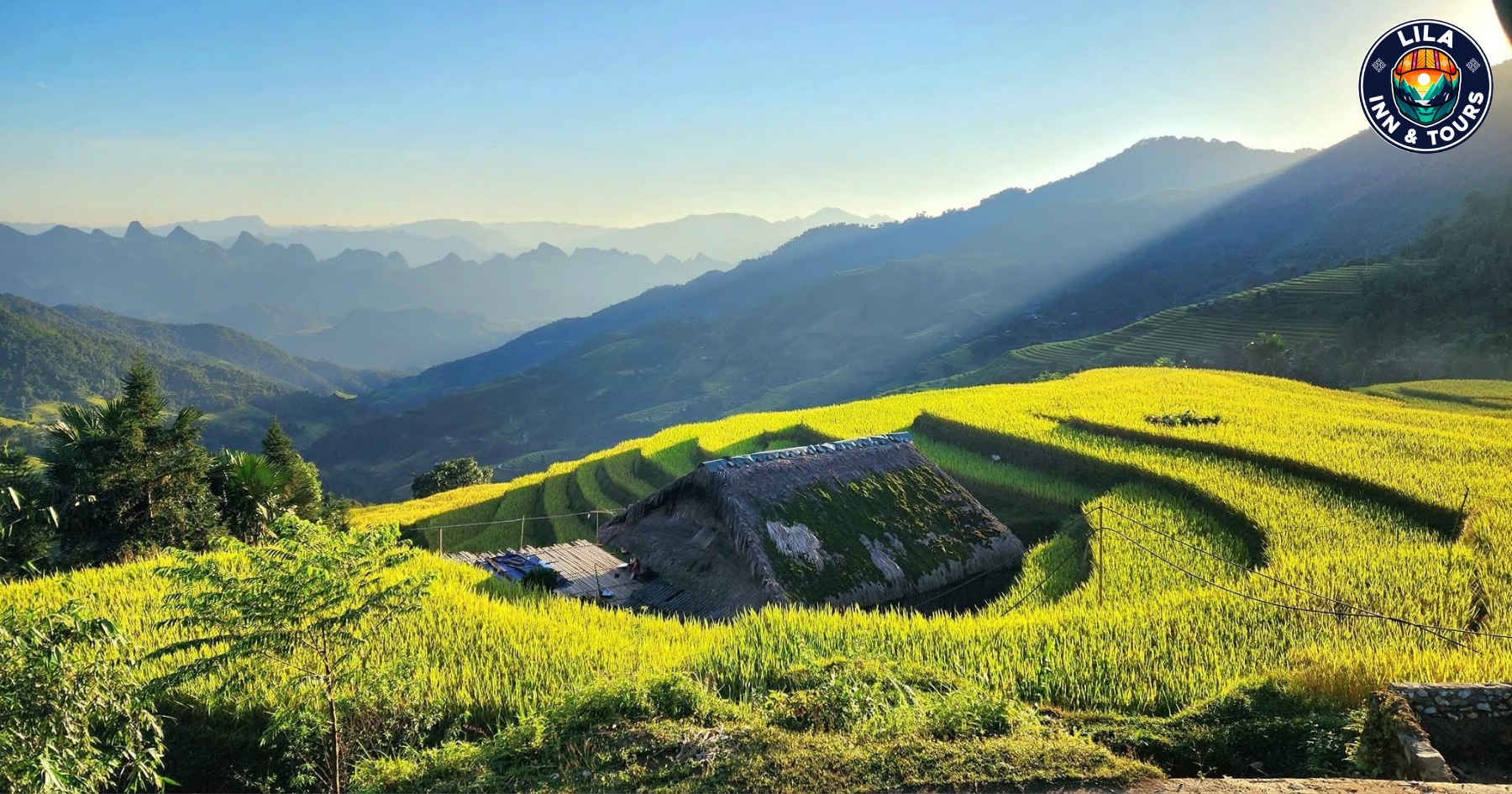
September to early October is the period to consider if seeing Ha Giang’s golden rice terraces is a priority. As the harvest approaches, green rice fields gradually turn yellow across valleys and terraced hillsides.
October and November for buckwheat flower season
From October into November, Ha Giang’s landscape changes again as buckwheat flowers begin to bloom across the rocky highlands. Fields are commonly seen around Dong Van, Meo Vac, Lung Cu, and villages along the Ha Giang Loop.
October can overlap with the end of the rice harvest, while November brings more widespread flower scenery and cooler mountain weather. Blooming dates vary each year depending on rainfall and temperature.
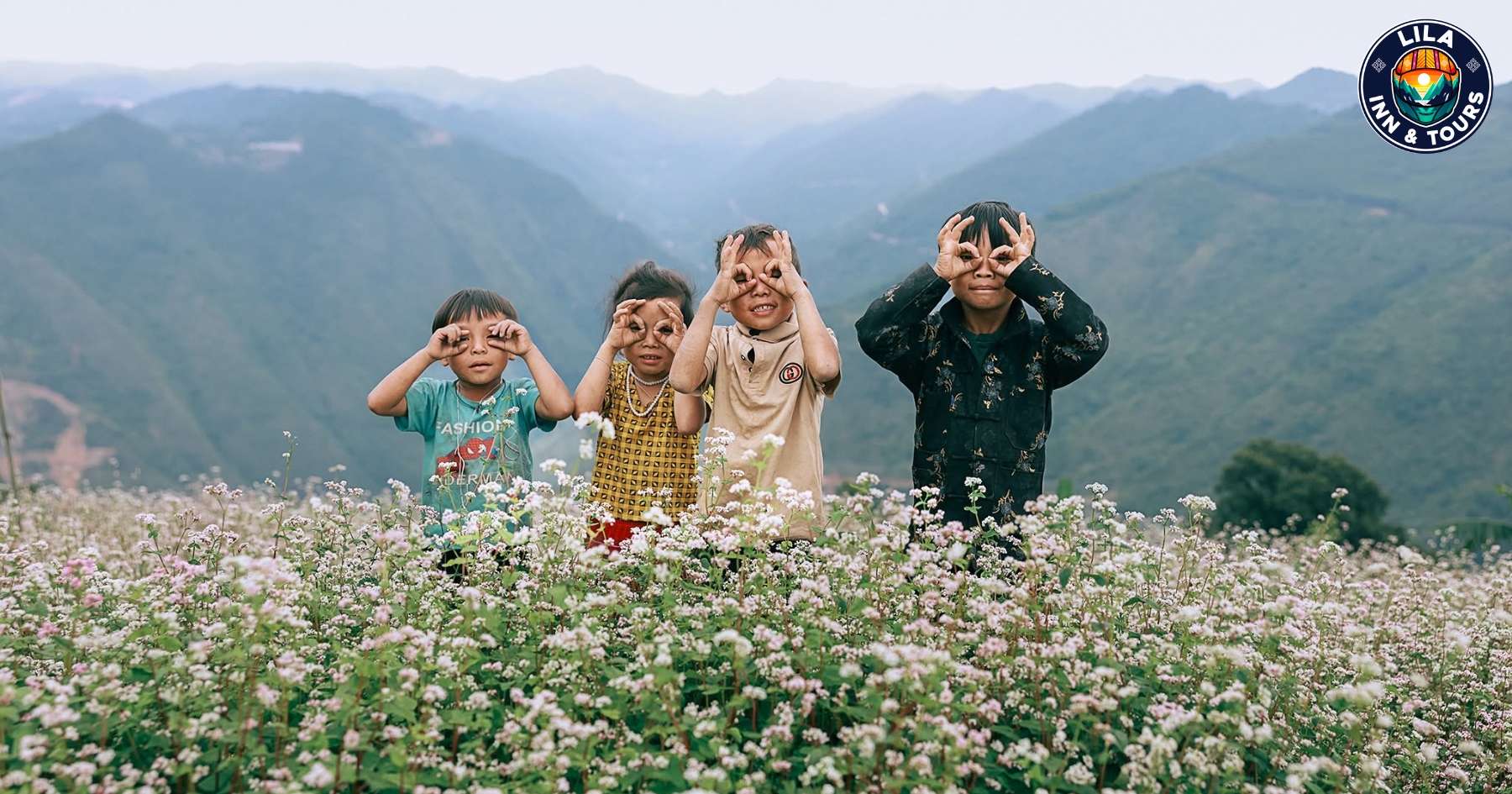
Choose this flower season if buckwheat fields, highland villages, and photography are higher priorities than seeing the golden rice terraces.
The timing is not identical across Ha Giang Province. Rainfall, elevation, and planting schedules can cause rice to mature earlier in one area than another. This is why choosing one exact harvest date can be difficult.
For photography, allow flexibility in your itinerary and check local conditions before arrival. When the rice terraces turn golden, the contrast between yellow fields, mountain slopes, and rural villages creates one of Ha Giang’s most recognizable seasonal landscapes.
>> See more: Ha Giang things to do 2026 – 2027
January to March: spring flowers and cooler mountain weather
January to March brings cooler conditions to Ha Giang, especially at higher elevations around Dong Van and Meo Vac. Early mornings can be cold or misty, so warmer clothing is useful when traveling through the mountain passes.
January and February are associated with peach blossom season, when pink flowers appear around villages, hillsides, and family homes. Blooming times vary each year according to temperature and local weather conditions.
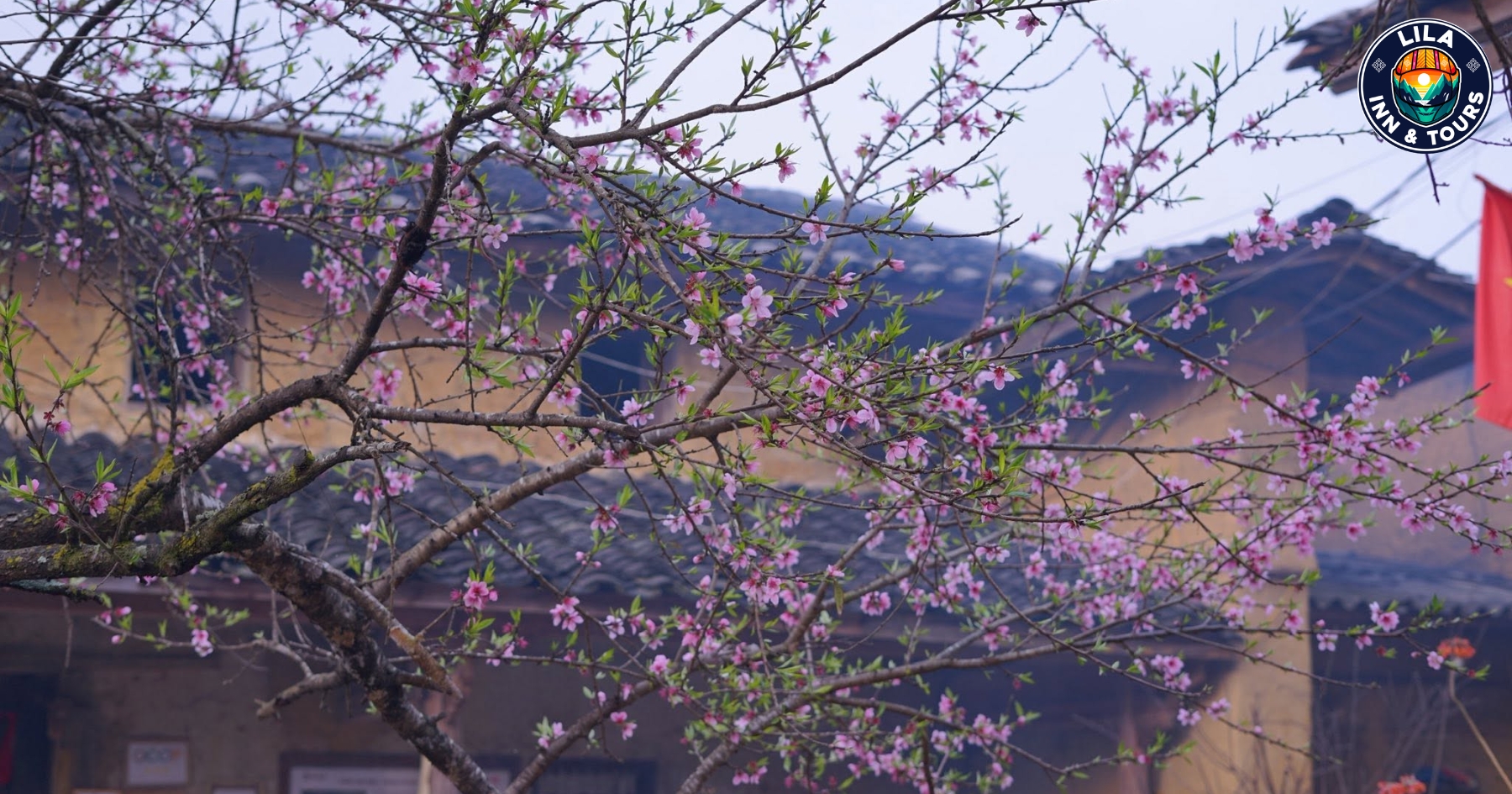
This period suits travelers who prefer spring scenery and fewer tourists rather than golden rice terraces. Check the forecast before your trip, as fog can sometimes reduce visibility along the Ha Giang Loop.
July and August: what the rainy season really means
July and August fall within the rainy season in Ha Giang, bringing greener mountains, fuller rivers, and higher rainfall. Rain does not usually mean poor weather throughout the entire day, but conditions can change quickly in the mountains.
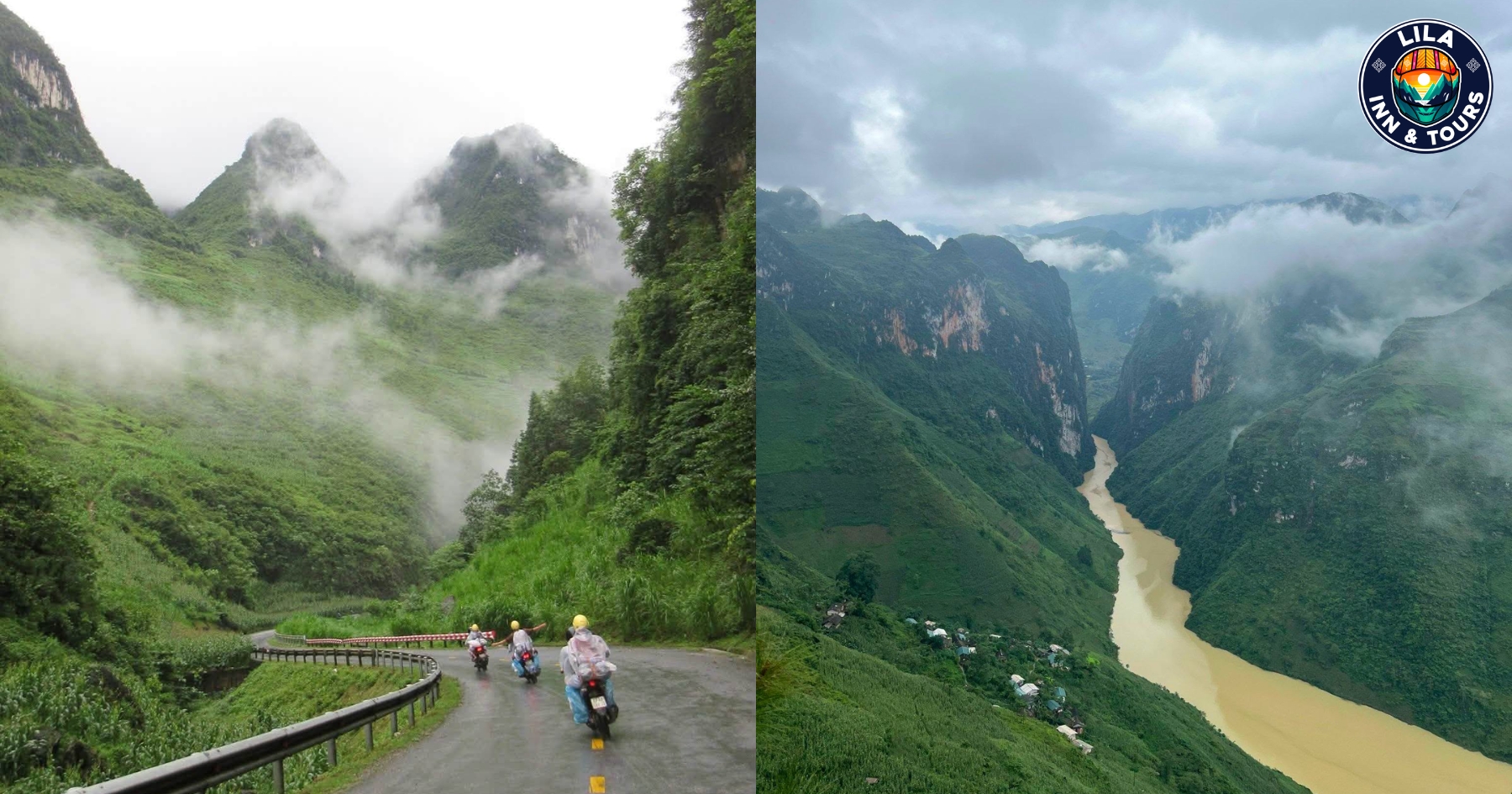
During heavy rain, visibility may drop and roads can be slippery, especially around steep passes and higher elevations. Motorbike riders should carry suitable rain gear and avoid rushing to maintain a fixed itinerary.
You can still visit Ha Giang during these months. The key is allowing more travel time and adjusting each day according to current weather and road conditions.
Best weather for riding the Ha Giang Loop
The best conditions to ride the Ha Giang Loop are dry roads, good visibility, and limited rainfall. Clearer skies make mountain passes easier to navigate and give better views around Dong Van, Meo Vac, and the Dong Van Karst Plateau.
For motorbike travelers, road conditions matter more than finding one month with supposedly perfect weather. Rain, fog, and changing conditions at higher elevations can affect the time to ride between overnight stops.
Before starting each day, check the Ha Giang Loop weather and adjust your itinerary if needed. If you are not comfortable riding in wet conditions, consider a Ha Giang Loop tour with a local rider or travel by private car instead.
Weather changes between Dong Van, Meo Vac and higher elevations
Ha Giang weather can vary noticeably along the Loop. Conditions in Ha Giang City may be warmer and clearer while Dong Van, Meo Vac, and Lung Cu experience fog, lower temperatures, or light rain.
The difference becomes more noticeable at higher elevations and across mountain passes. Around the Dong Van Karst Plateau, cloud and mist can reduce visibility even when the weather looks good at lower elevations.
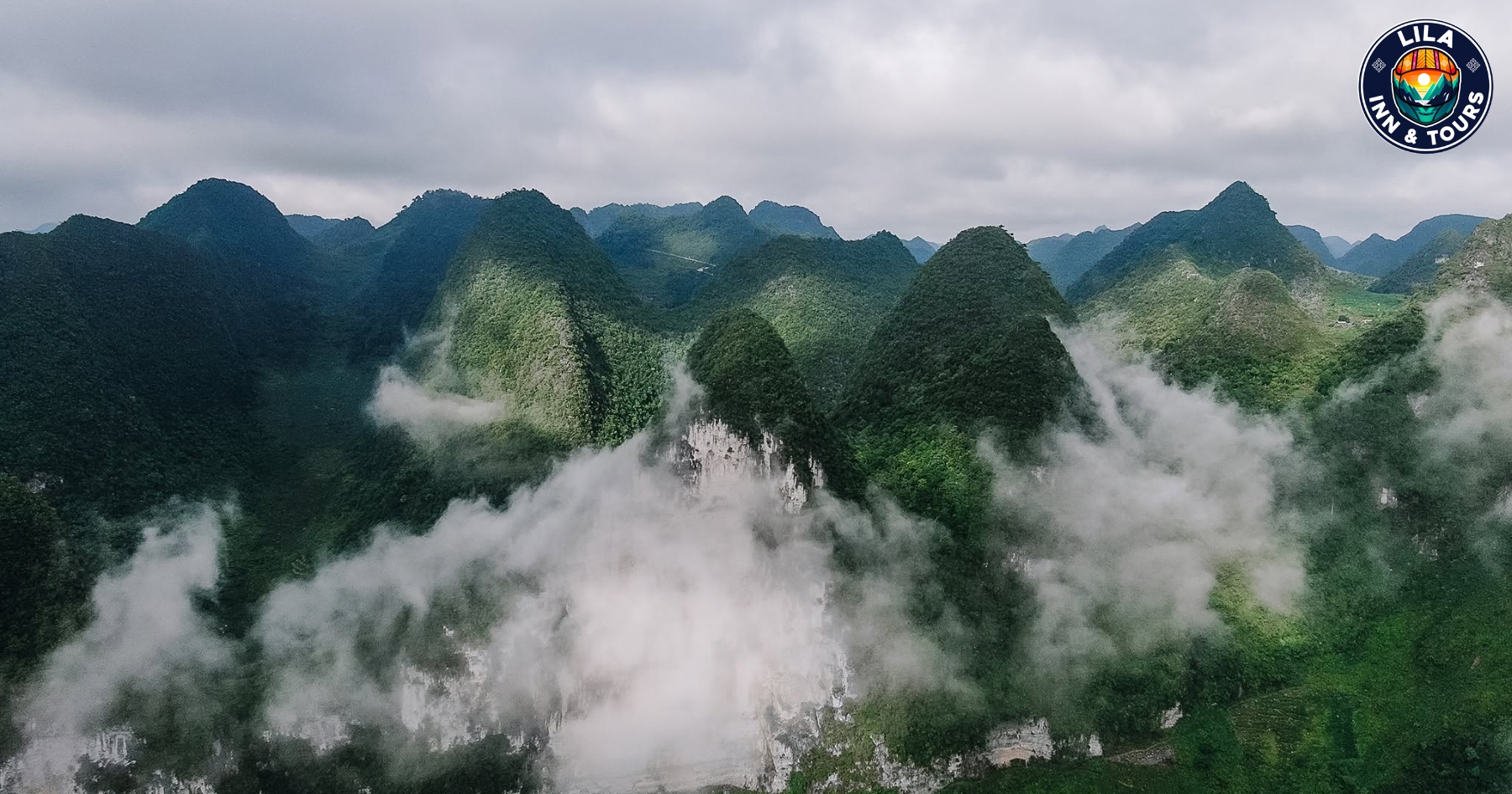
For this reason, check conditions for the specific areas on your itinerary rather than relying only on the Ha Giang City forecast. This is especially useful before traveling between Dong Van, Meo Vac, and Lung Cu Flag Tower.
Best time to visit Ha Giang based on your priorities
There is no single best month for every traveler. Choose your dates based on the scenery, weather conditions, and type of Ha Giang experience you want.
| Your priority | Best period |
| Golden rice terraces | September to early October |
| Buckwheat flowers | October to November |
| Peach blossoms | January to February |
| Green mountain scenery | April to August |
| Fewer tourists | January to March |
| Motorbike riding | Drier periods with good visibility |
| Landscape photography | September through November |
If you want to see the golden rice terraces, September is a strong choice. For flowers, plan later in autumn. Motorbike travelers should prioritize road conditions and visibility rather than choosing dates based only on seasonal scenery.
How weather should change your Ha Giang itinerary?
Weather in the mountains can change faster than your planned schedule. Keep your Ha Giang itinerary flexible, particularly during periods of heavy rainfall, fog, or poor visibility.
On clear days, allow more time to enjoy viewpoints and mountain passes around Dong Van and Meo Vac. During rain, shorten long riding stages and avoid trying to reach every planned stop before dark.
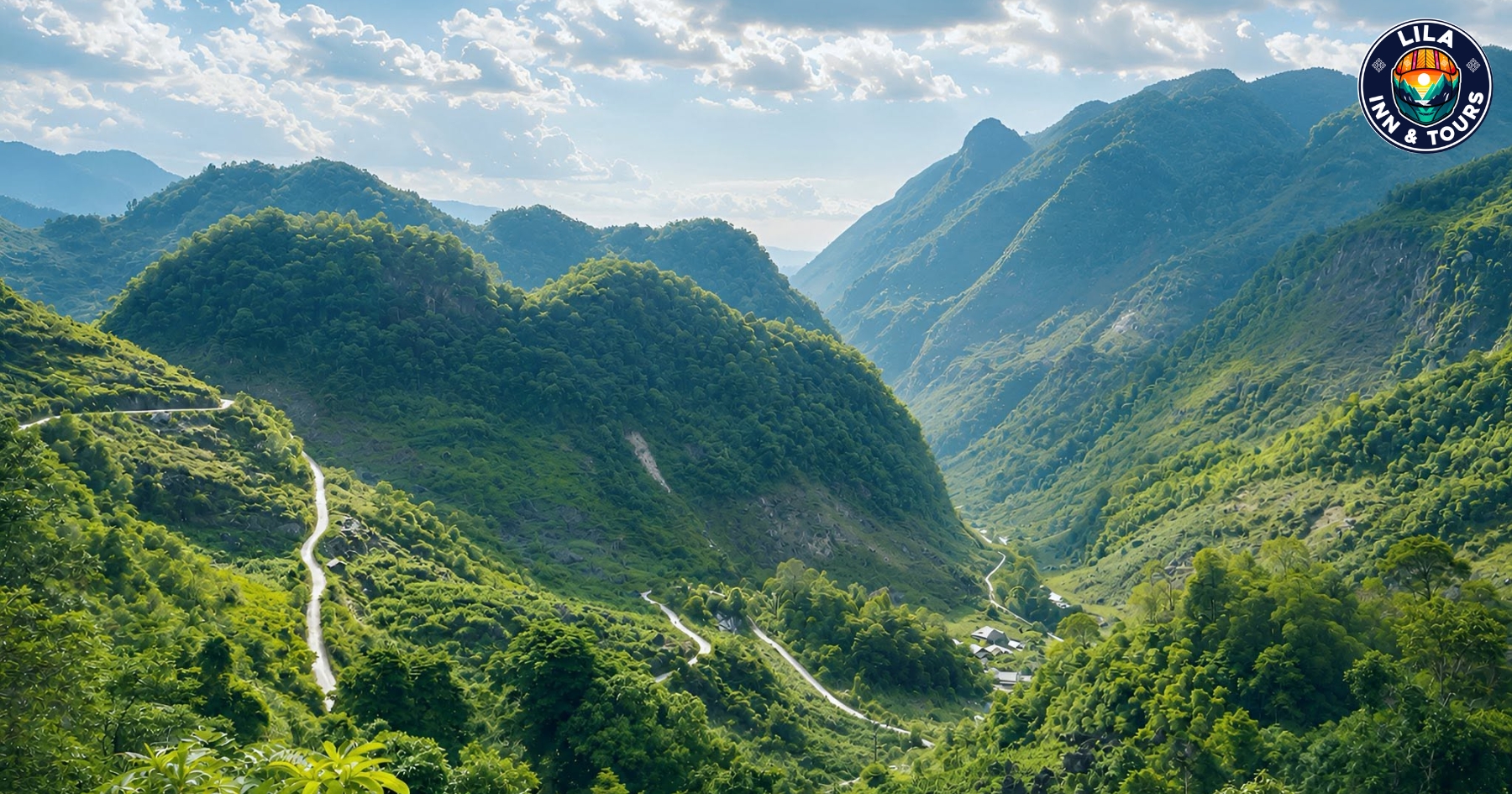
When you plan your Ha Giang Loop, check the forecast each morning and set realistic travel times. If roads become slippery or visibility drops, changing the day’s route is safer than following a fixed itinerary.
FAQs about the best time to visit Ha Giang
What is the best month to visit Ha Giang?
September and October are strong choices for many travelers. September brings golden rice terraces, while October can offer harvest scenery, cooler temperatures, and favorable conditions for the Ha Giang Loop.
When is buckwheat flower season in Ha Giang?
The buckwheat flower season generally runs from October into November. Areas around Dong Van, Meo Vac, and Lung Cu are popular for seeing the flowers in bloom.
Is September or October better for Ha Giang?
Choose September if golden rice is your priority. October suits travelers who prefer cooler weather and want a chance to combine late rice scenery with the beginning of flower season.
Can I visit the Ha Giang Loop during the rainy season?
Yes, but heavy rain can reduce visibility and make mountain roads slippery. Check current road and weather conditions, carry rain gear, and keep your riding schedule flexible.
Is Ha Giang cold from December to February?
Yes, particularly around higher elevations such as Dong Van and Meo Vac. Temperatures can feel considerably colder during early mornings, evenings, fog, and windy conditions.
Which season has fewer tourists in Ha Giang?
Winter and early spring can have fewer tourists than the popular September-to-November period. However, colder temperatures and mountain fog should be considered when planning your trip.