
Dong Van Karst Plateau Geopark (recognized by UNESCO as a Global Geopark) is a symbol of geology, culture, and history in Ha Giang, Vietnam. Formed over hundreds of millions of years, the plateau stands out not only for its geological wonders but also for rich cultural traditions that have been preserved through generations.
In this article, let’s take a closer look at its geography, landscapes, and culture to understand why it has become a top destination for travelers from around the world.
Let’s get started!
What is special about Dong Van Karst Plateau Geopark?
The Dong Van Karst Plateau is located in Ha Giang Province, stretching across 4 districts (Quan Ba, Yen Minh, Dong Van, Meo Vac) with a total area of about 2300 km2. It’s also the main route of the famous Ha Giang Loop, guiding travelers through each district before heading back to Ha Giang City.
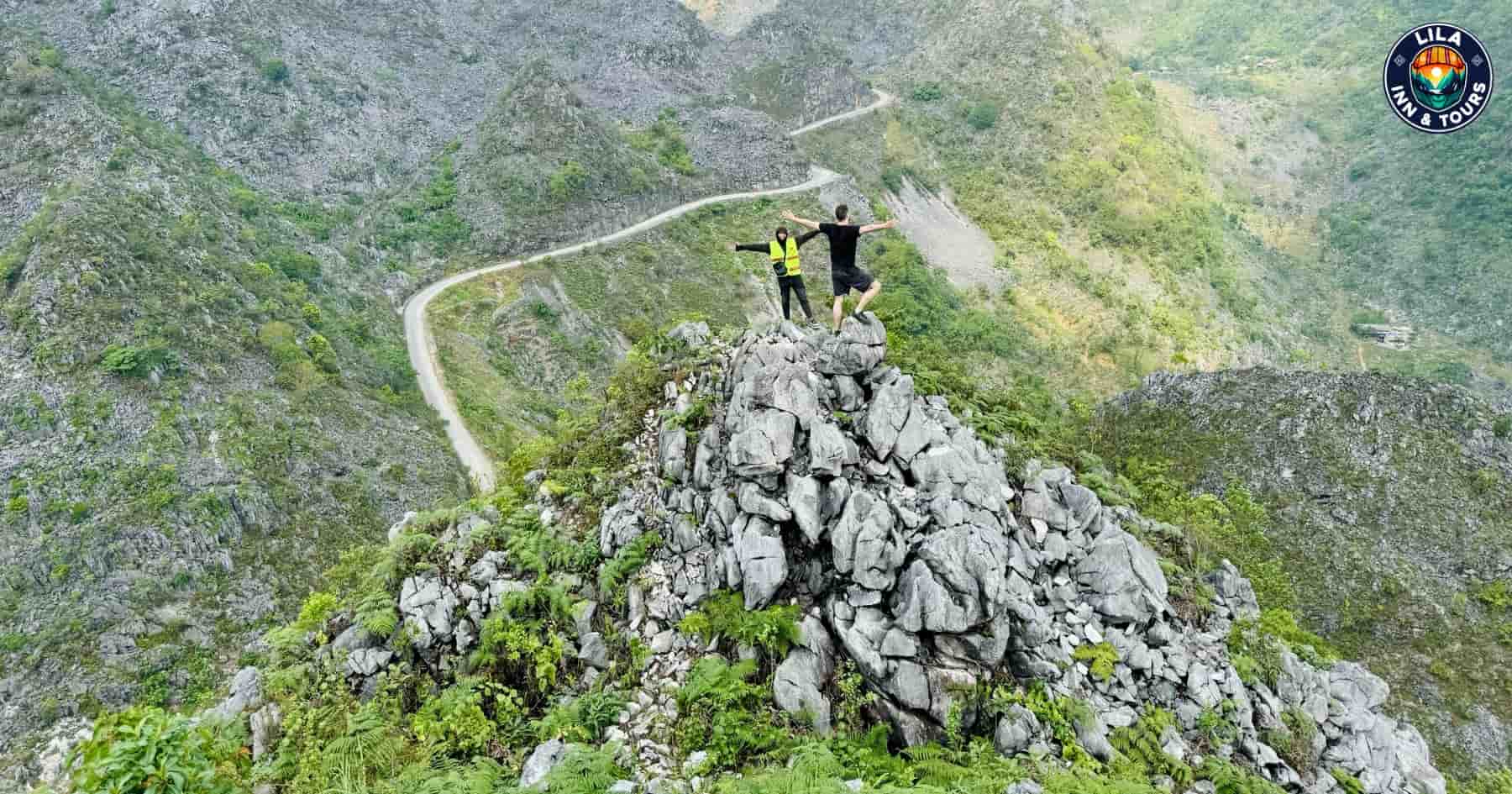
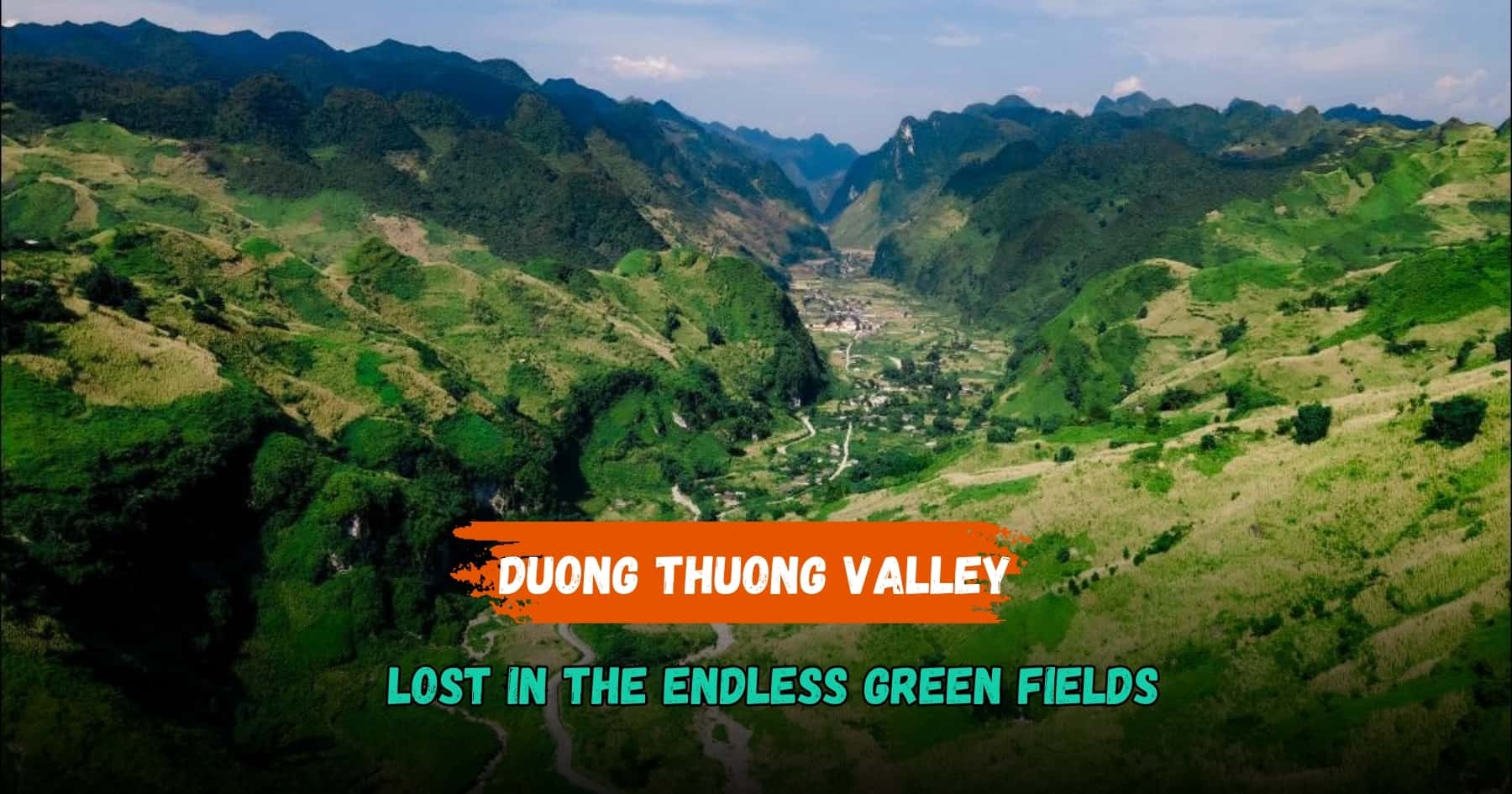
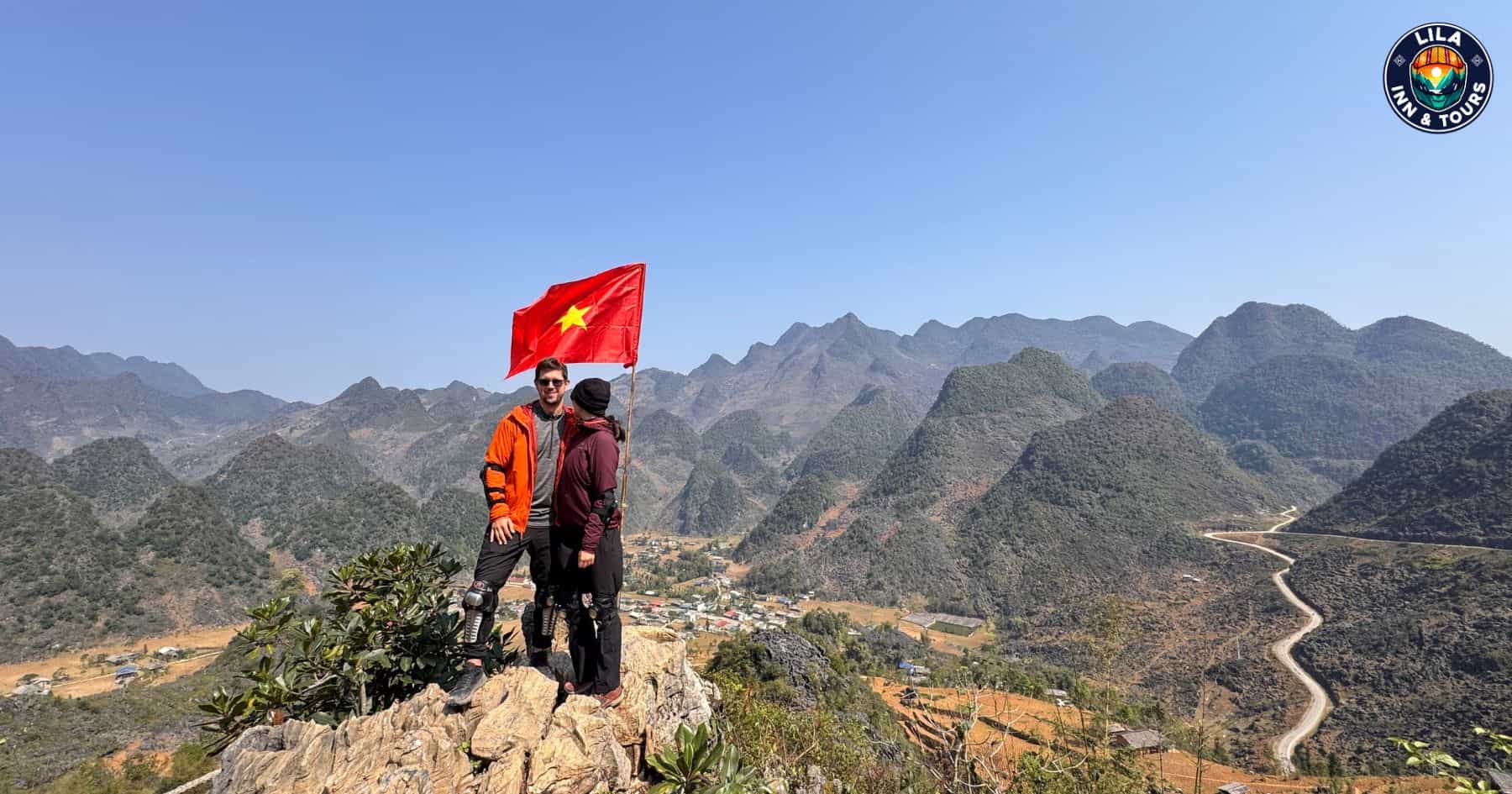
What makes Dong Van mostly stand out is its unique geology. At an average altitude of 1,000 to 1,600 meters, this is one of the world’s oldest karst areas, formed over 400 million years. With over 80% karst terrain, the Dong Van plateau looks like a vast “natural museum” of jagged limestone peaks, sheer cliffs, and deep valleys.
Throughout your journey across the Dong Van Karst Plateau Geopark, when looking to either side, you will find terraced fields, winding roads, and quiet villages nestled among the landscape. All of these elements create a place that feels both raw and peaceful, attracting travellers from all over the world to admire.
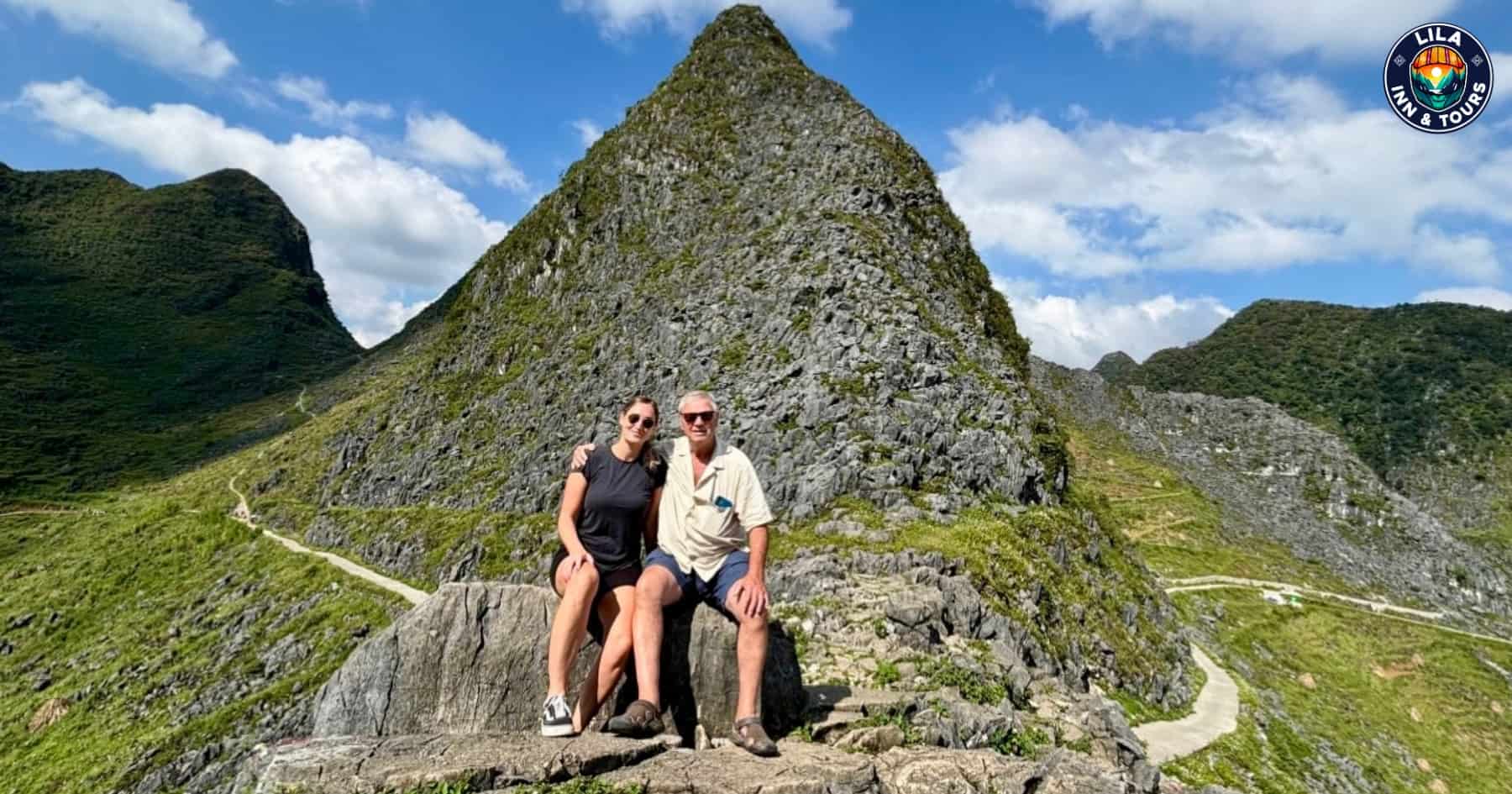
Beyond its stunning landscape, Dong Van Plateau also impresses with its rich cultural identity. The area is home to more than 17 ethnic groups, including the Hmong, Lo Lo, Dao, and Pu Peo. Each community has its own traditions, architecture, and way of life. For generations, they have lived together in harmony and shaped a region that is incredibly diverse in culture.
The unique cultural traits of Northern Vietnam’s ethnic communities are reflected in Dong Van’s everyday life. You can explore them through traditional earthen houses, lively highland markets, and local festivals full of color and energy. These distinctive practices make the region a place that should be spent more time experiencing.
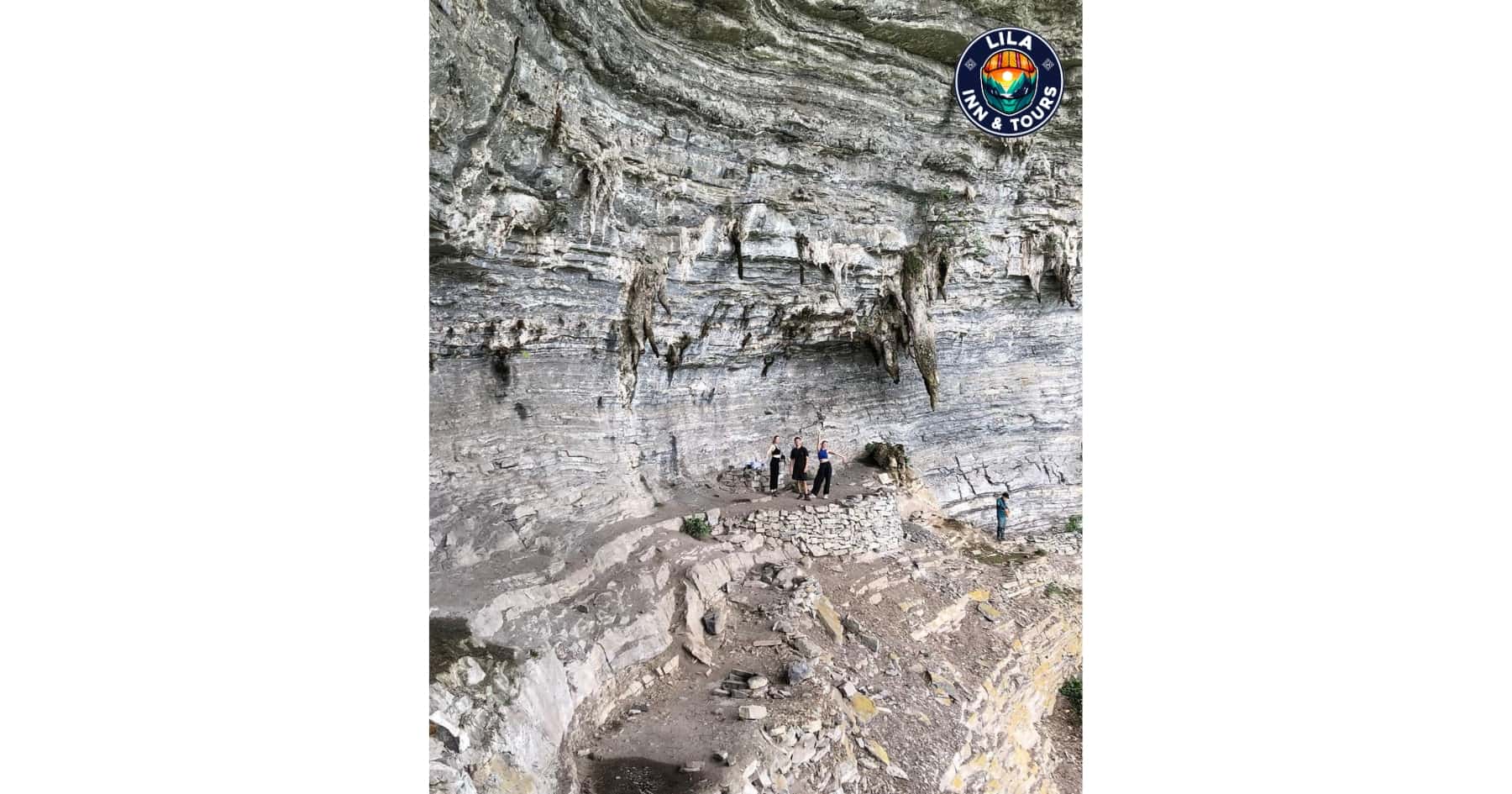
In 2010, the Dong Van Karst Plateau was recognized by UNESCO as a Global Geopark, becoming the first geopark of Vietnam and the second one of Southeast Asia. This milestone has since put this region on the map, making it a must-visit for travelers exploring northern Vietnam. And most recently, the Dong Van Karst Plateau Geopark was also honored as “Asia’s Leading Cultural Destination 2025” at the World Travel Awards.
When is the best time to explore the Dong Van Karst Plateau Geopark?
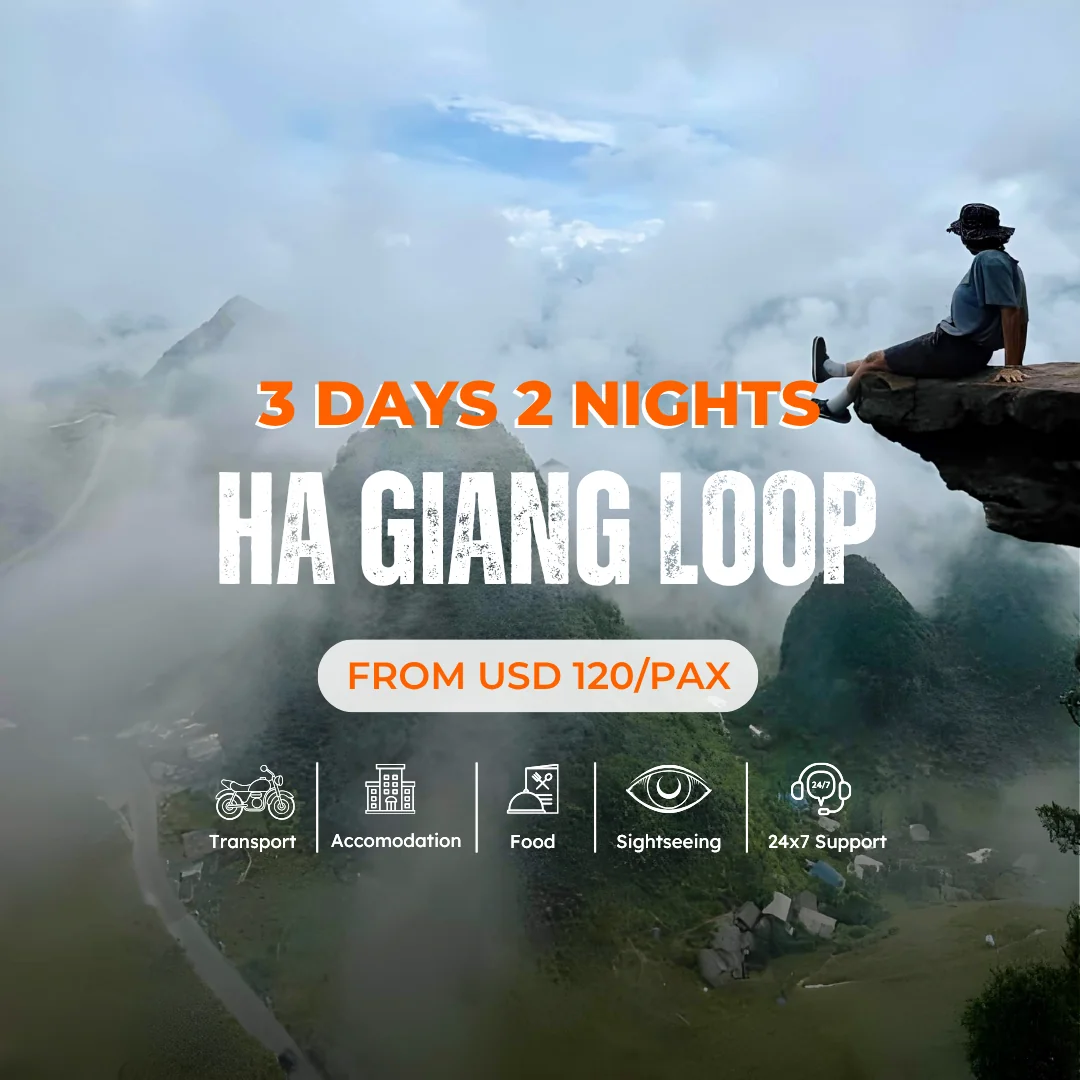
Each season brings a different kind of beauty to Dong Van, but the best time to visit is usually from September to April.
- September – October: The rice fields turn golden, covering the valleys in warm, glowing colors.
- November – December: This is the most stunning season, when buckwheat and mustard flowers bloom across the plateau.
- January – April: Peach and plum blossoms begin, painting soft pink and white tones to the landscape.
These months also fall in the dry season, with cooler temperatures and clearer roads, making it easier and safer to explore mountain passes.
Meanwhile, from May to August is the rainy season. During this time, Dong Van has its own charm, especially with fuller waterfalls and lush greenery. However, sudden rains can make roads slippery and travel more challenging.
How to get to Dong Van Karst Plateau Geopark?
To get to Dong Van Karst Plateau Geopark, you’ll first need to reach Ha Giang City. Most travelers choose to take an overnight bus from other provinces, which usually takes about 8–9 hours.

Need a bus ticket in Ha Giang Loop? Lila is here to help. Just reach out, and we’ll book everything for you.
Then, move from Ha Giang City to the Dong Van Karst Plateau Geopark.
From Ha Giang City, follow the famous Ha Giang Loop along National Road QL4C. The route takes you through the four districts of the plateau: Quan Ba, Yen Minh, Dong Van, and Meo Vac, before looping back to Ha Giang City. The journey through Dong Van Plateau, therefore, forms a complete loop, stretching around 350km.
About transportation, there are two main choices for you:
Join a guided tour: You can go with an Easy Rider, this is an experienced local driver who takes care of the journey for you. If you prefer more independence, you can drive your own motorbike while following a local guide (an International Driving Permit is required). For families or small groups, a private car tour is also a great choice for a more comfortable and relaxed experience.
Rent a motorbike: In case you are a confident rider and you want a much more adventurous experience, this will be the best option for you. Remember to go with an International Driving Permit
If you’re not fully familiar with the route, check out our Ha Giang Loop map to better navigate.
What are the must-do experiences at Dong Van Plateau Geopark?
Dong Van Plateau Geopark is a perfect place to slow down and connect with the rhythm of the highlands. Here are some experiences you shouldn’t miss:
Go on an Easy Rider journey
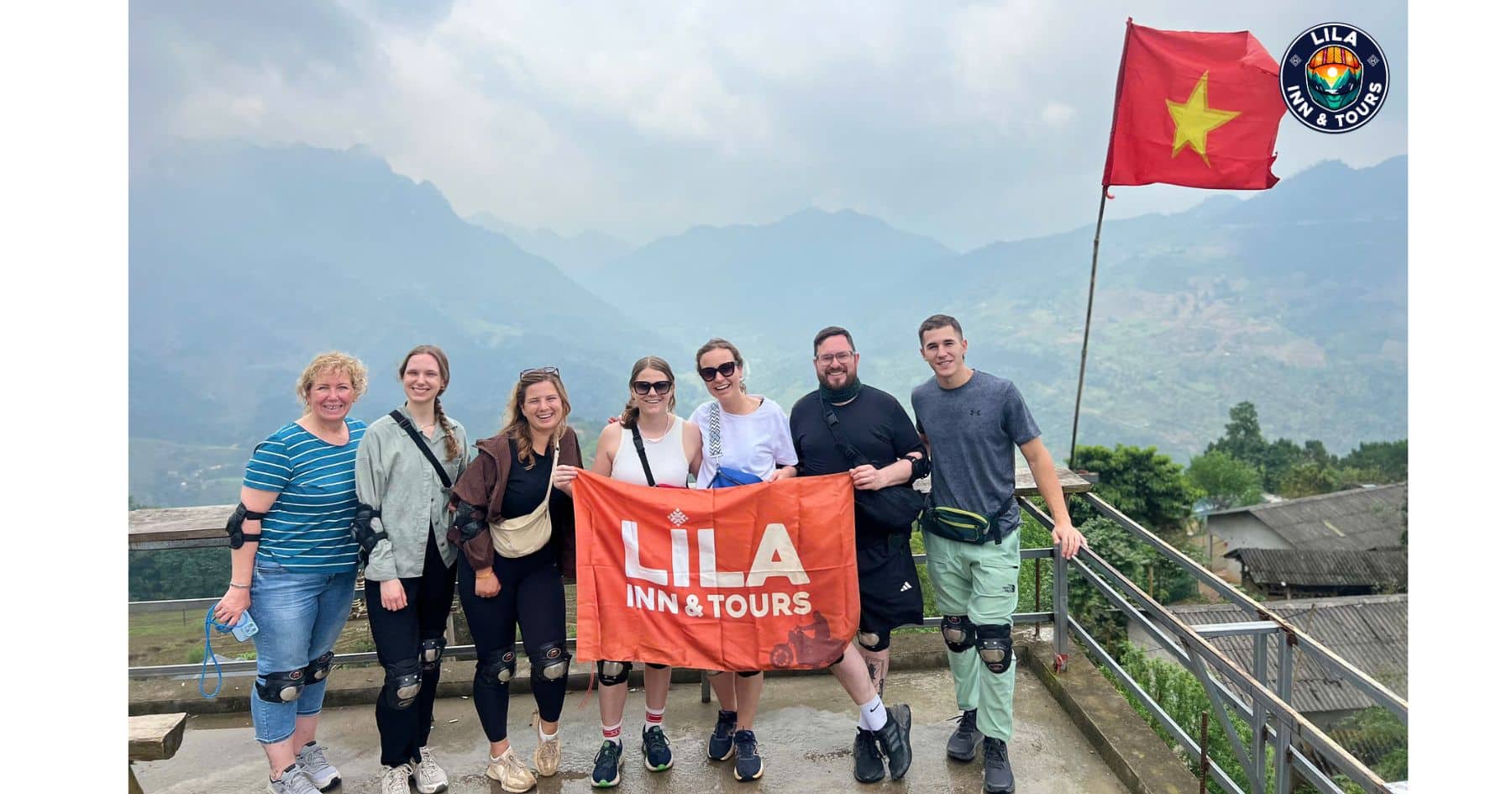
Though there are different ways to explore Ha Giang, the Easy Rider option is by far the best choice. Sitting on the back of an experienced local driver’s motorbike, you can safely navigate Ha Giang’s challenging yet breathtaking mountain passes while fully relaxing and soaking in the stunning scenery around you. Even better, all easy riders are locals. They’ll share stories, insights, and little details about the region that you might otherwise miss.
Visit the famous attractions
As you travel through the geopark, there are many well-known spots worth stopping for. These places are not only scenic, but also carry cultural and historical significance.
Some of the most popular ones are Quan Ba Heaven Gate, Hmong King Palace, Lung Cu Flag Tower, Dong Van Old Quarter, Ma Pi Leng Pass, Nho Que River, Tu San Canyon, and Du Gia Waterfall.
Explore the local market
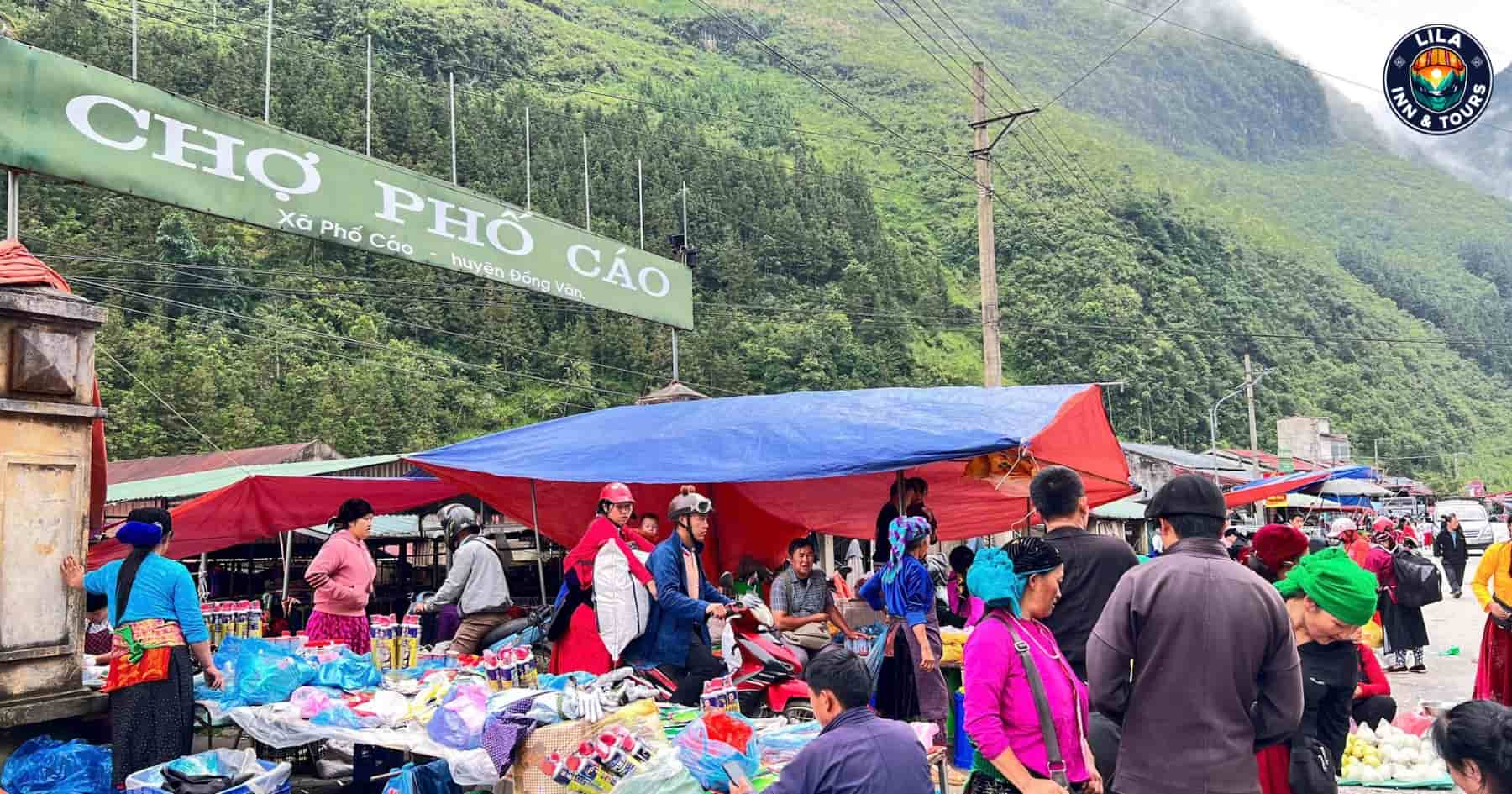
Local markets are one of the highlights of everyday life in Dong Van Plateau Geopark, with well-known ones including Meo Vac Market, Dong Van Market, and Lung Phin Market
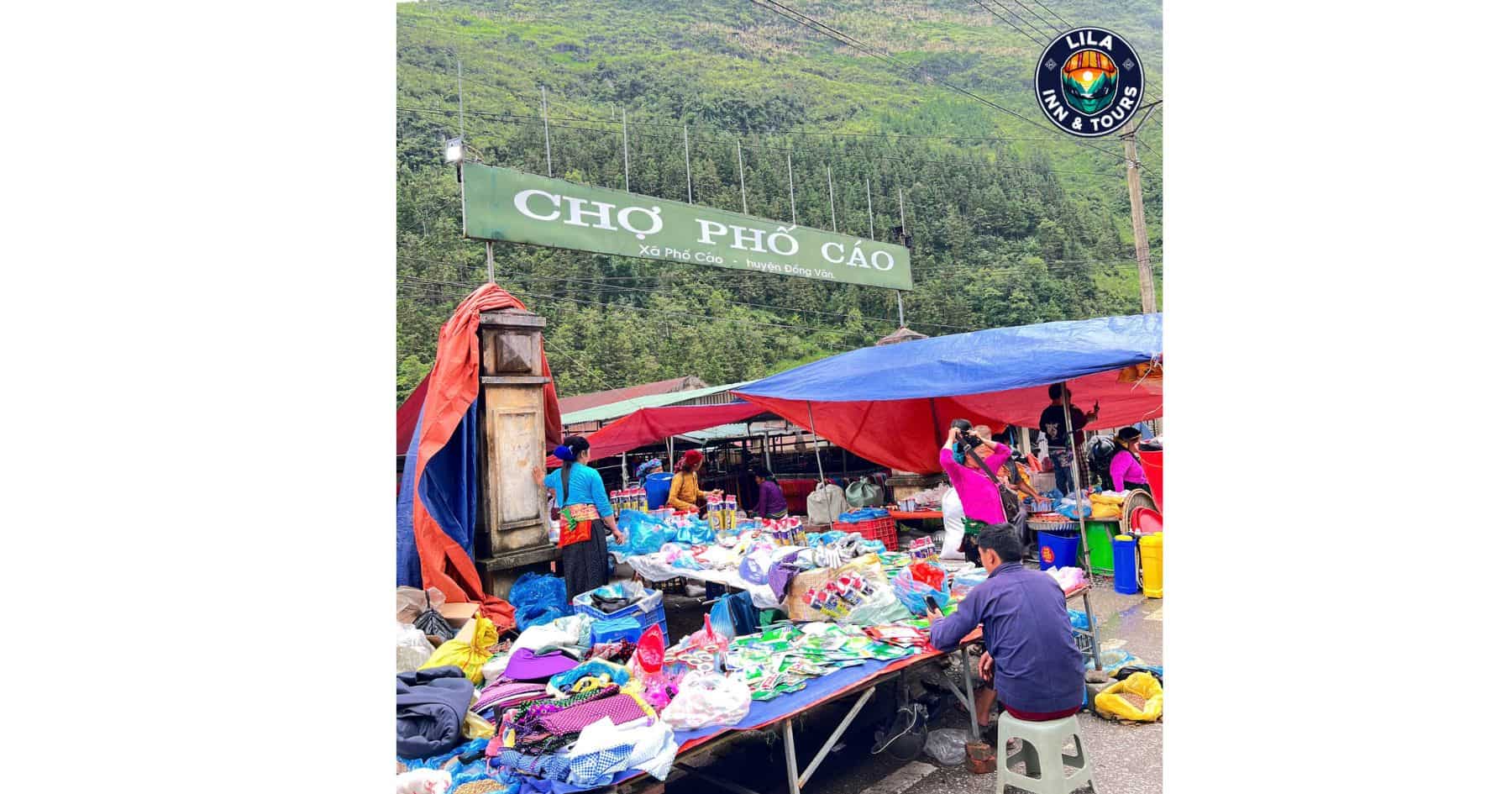
These markets are where people from nearby villages come to trade homegrown produce and handmade goods. But more than that, they’re a place to meet friends, catch up, and sometimes even find a partner. There, you’ll find colorful ethnic clothing, local specialties, and plenty of chances to try street food or pick up a few souvenirs. You might even come across lively traditional dances and the sound of flutes, adding to the vibrant atmosphere of local life.
Try local food
Ha Giang is known for its simple but distinctive local dishes. You can try specialties like H’Mong black chicken, stream fish cooked with mountain herbs, five-color sticky rice, or the unique au tau porridge. For a more local experience, you can also sip a small glass of corn wine.
The best meals are often found at small family-run eateries or market stalls, where the food comes with stories from the people who make it.
Stay at a local homestay
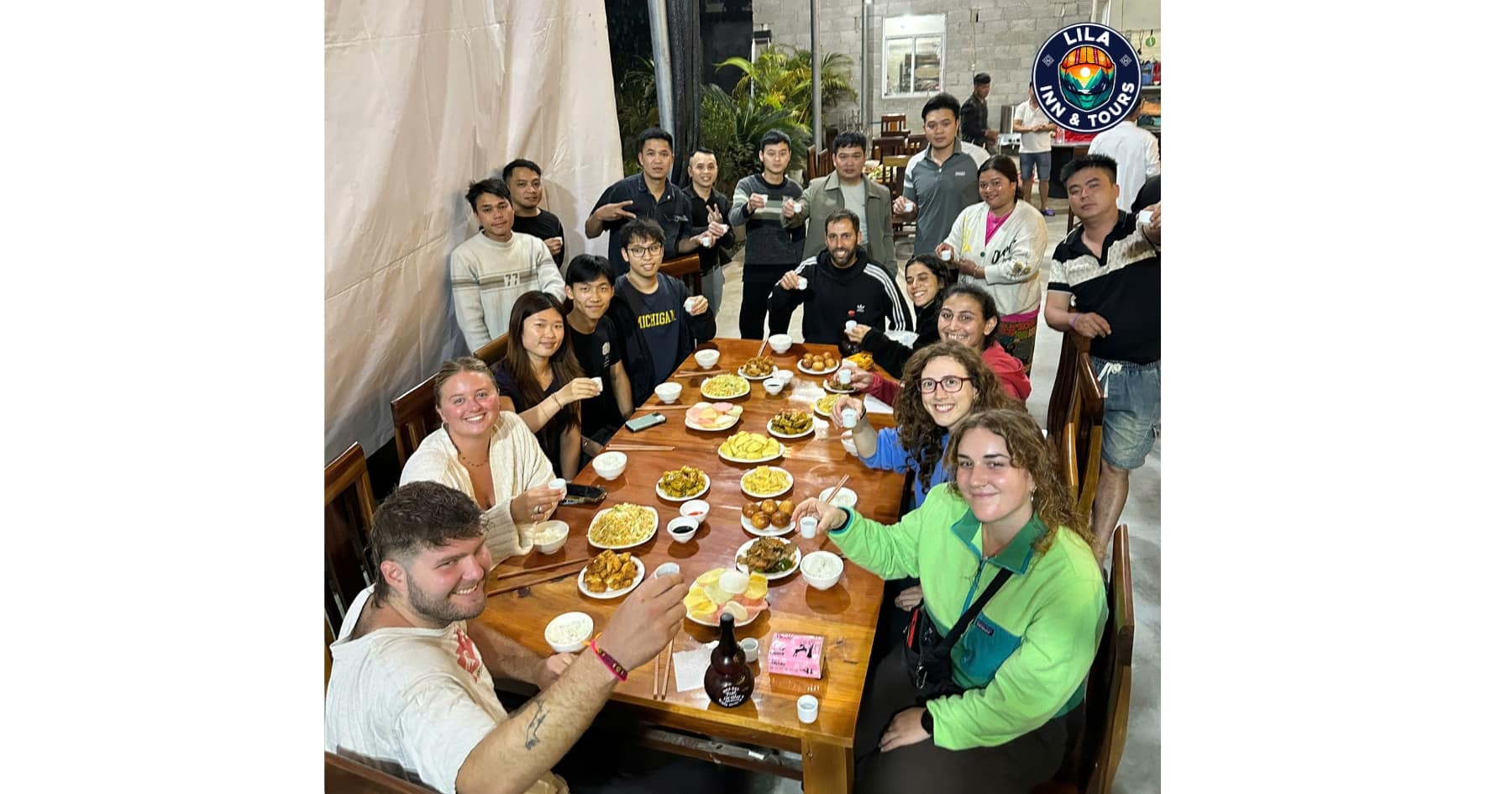
If riding through the mountains shows you the beauty of Dong Van Plateau Geopark, staying overnight helps you truly feel its culture. You can stay in a traditional earthen house, share a home-cooked meal with your host, try a herbal bath, or gather around a fire in the evening. It’s also a great chance to connect with the locals and other travelers, making your journey more memorable.
Where to stay in Dong Van Karst Plateau Geopark?
As you journey through the Dong Van Karst Plateau Geopark, you will pass through Quan Ba, Yen Minh, Dong Van, and Meo Vac, each offering a different place to rest depending on your route and pace. Below are some of the most notable homestays you can consider along the way.
Ly Danh Homestay & Bunglalow
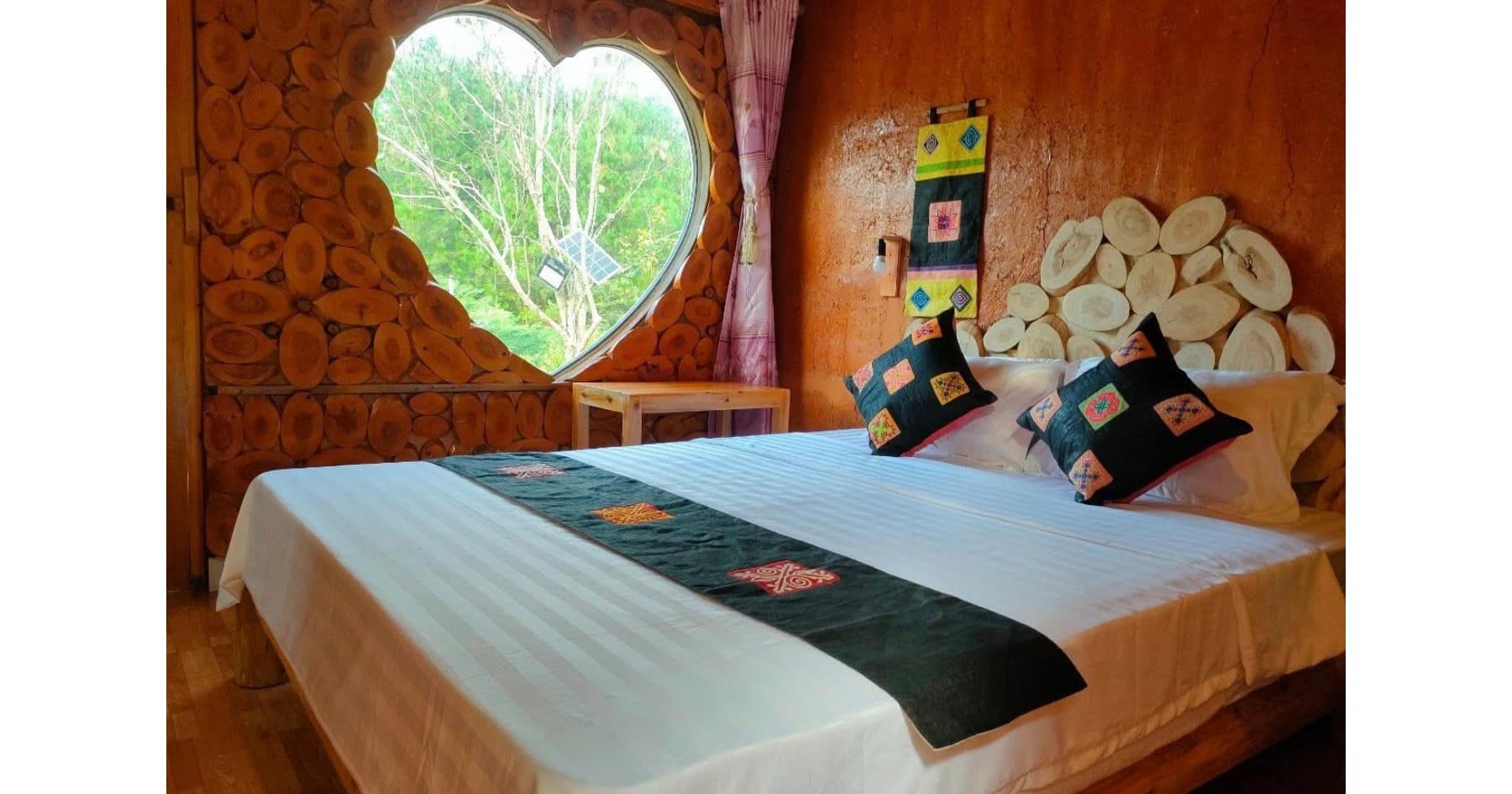
Ly Danh Homestay, located in Quan Ba district, features cozy wooden bungalows with a warm, mountain village feel. The rooms are comfortable and come with essentials like free Wi-Fi and private bathrooms, with some offering views of the garden or surrounding hills. It is also known for friendly hosts and a relaxed garden or BBQ spot after a day of sightseeing.
Prices typically range from 600,000 to 800,000 VND per night.
Villa Tham ma
Villa Tham Ma is a peaceful place to stay in Dong Van, set along National Highway 4C. The villa features a warm, cozy design using wood, clay, and stone, inspired by traditional local earthen houses. It offers a wide range of clean, well-equipped rooms, from dorms and double rooms to king rooms and family suites, most with beautiful mountain views. There’s also a spacious outdoor area overlooking Tham Ma Pass, perfect for relaxing with a coffee.
The average price starts from 1,000,000 VND to 2,500,000 VND per night.
Homestay Tommy’s house
Tommy House is a well-known stop along the Ha Giang Loop, appreciated for its open space and easygoing, social atmosphere. It offers both dorms and private rooms, many with views over rice fields. There’s a large shared area where guests can join activities like campfires, group games, or unwind by the outdoor swimming pool. In the evening, the homestay serves tasty local dinners at reasonable prices.
The average price starts from 120,000 VND per night
Dong Van Cliffside House
Dong Van Cliffside House is a cozy lodge with options like quadruple rooms and family bungalows. All rooms come with air conditioning, private bathrooms, and balconies looking out over the mountains or the town. Each room includes basic comforts like a work desk and a tea/coffee maker. Guests can enjoy a daily buffet breakfast, an on-site restaurant, a bar, a shared kitchen, free WiFi, and free parking.
The average price starts from 1,120,000 VND to 2,150,000 VND per night.
Meo Vac Beehive House
Located in Meo Vac, this homestay provides comfortable family rooms with private bathrooms and air conditioning, many of which look out over the garden or nearby mountains. The space feels open and relaxed, with shared lounges and outdoor seating areas where guests can unwind. There’s also free Wi-Fi, parking, and a small on-site restaurant serving Vietnamese dishes.
The average price starts from 1,200,000 VND to 1,500,000 VND per night.
Du Gia Panorama Ecologde
Du Gia Panorama Ecolodge is a relaxed hillside stay in Du Gia, offering open views over the valley and rice fields. The property features wooden bungalows and traditional stilt houses, all equipped with private bathrooms, hot water, and Wi-Fi. There’s also a small on-site restaurant where guests can enjoy simple local dishes.
Prices typically range from 1,000,000VND to 1,500,000VND per night.
What are the must-see attractions in Dong Van Karst Plateau Geopark?
As you travel through the plateau, you’ll come across some of its most iconic and widely loved spots. These highlights are carefully included in Lila’s tours to give you a full experience of the region.
Quan Ba Heaven Gate & Twin Mountains
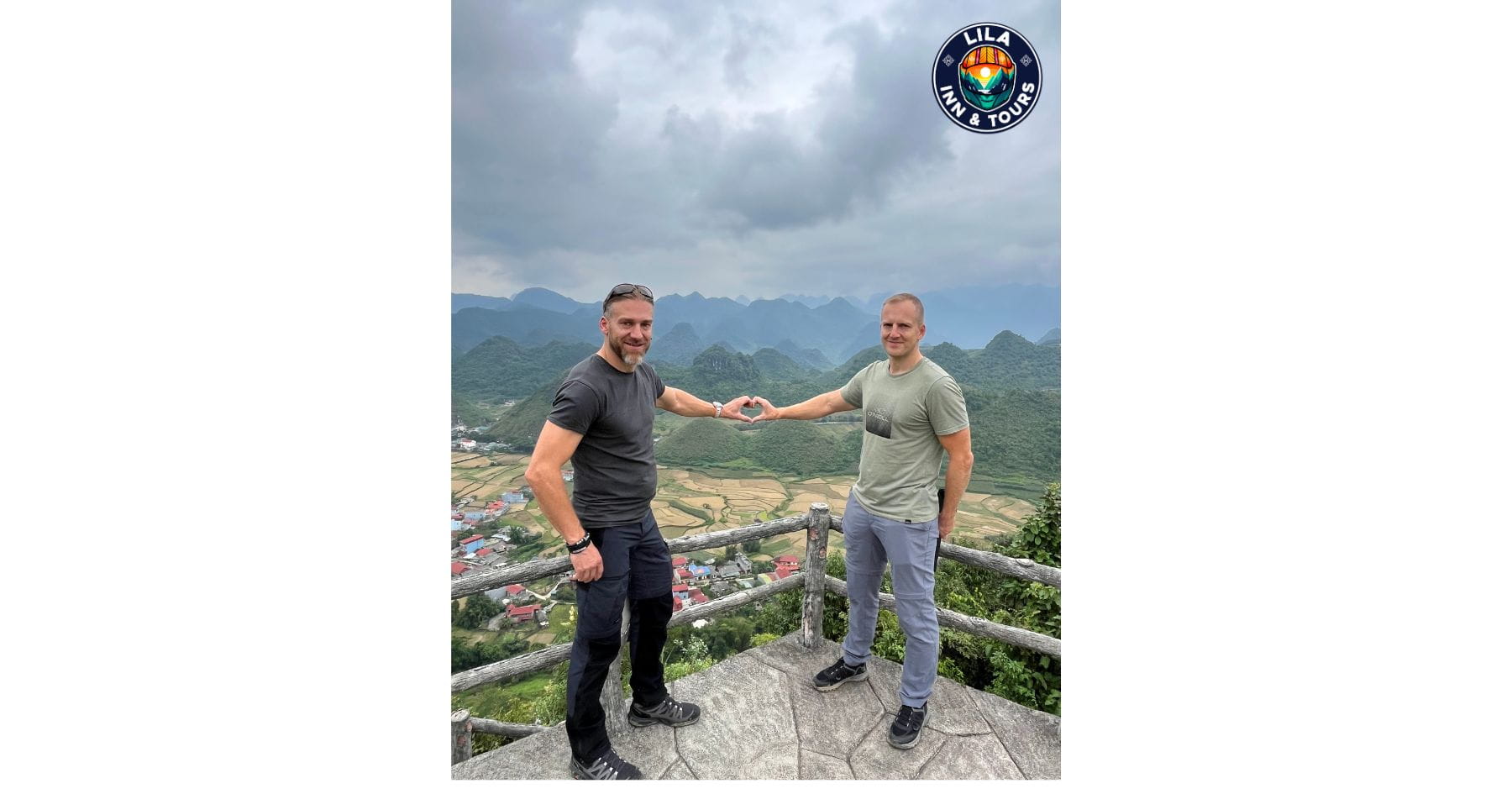
Quan Ba Heaven Gate is the very first gateway that welcomes travelers into the majestic Dong Van Karst Plateau Geopark on the Ha Giang Loop. It offers a breathtaking panorama of winding roads, cloud-covered peaks, and the famous Twin Mountains, making it a must-visit stop on your Ha Giang Loop adventure.
Nam Dam Village
Nam Dam Village is a peaceful community known for its traditional earthen houses and strong cultural identity of the Dao ethnic group. The village has been developed as a community-based tourism spot, where visitors can stay in local homes, enjoy home-cooked meals, and learn about daily life. It’s a great place to slow down and experience a more authentic side of Ha Giang.
Pho Cao Village
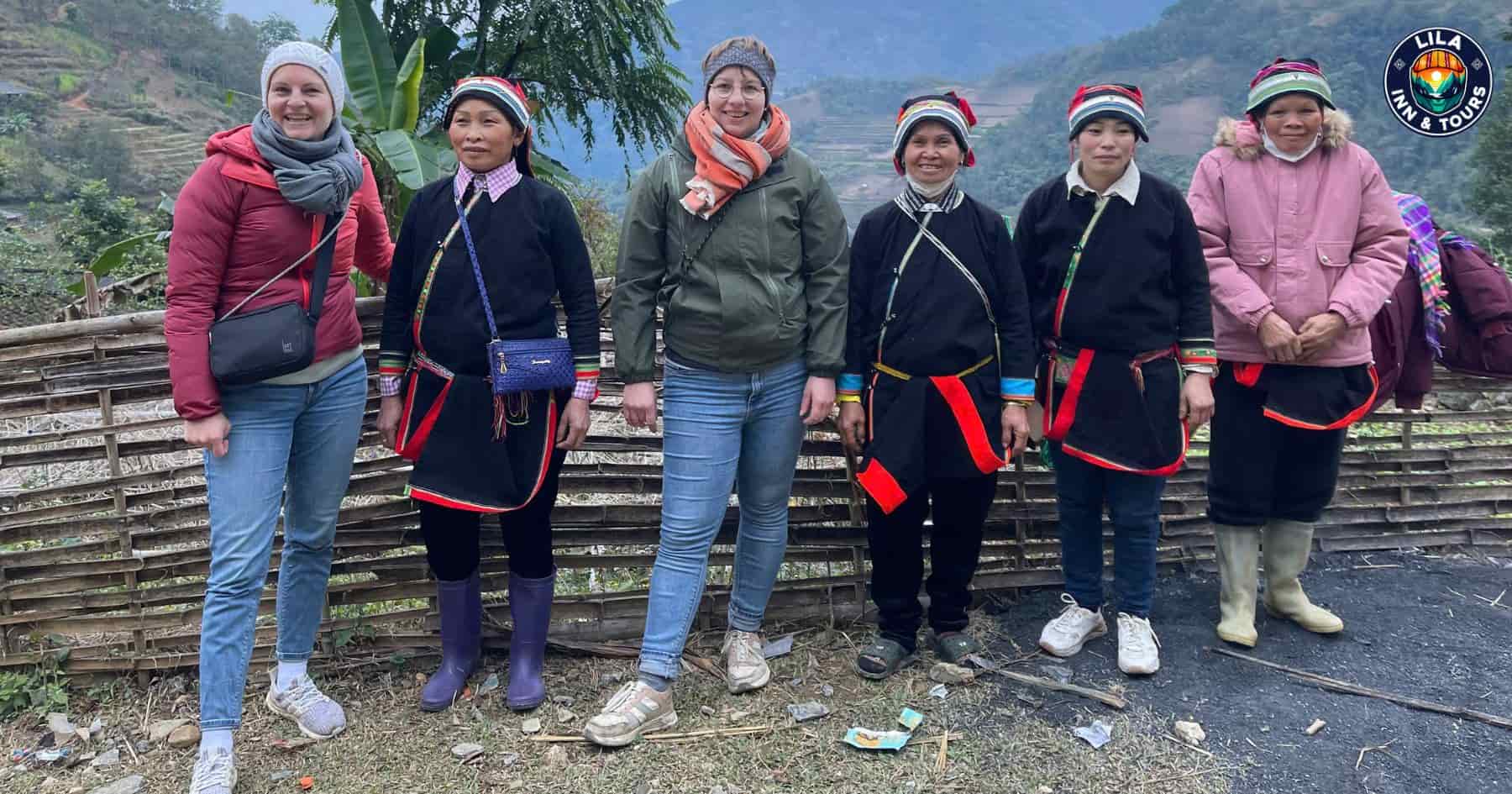
Hidden among the rocky mountains of Dong Van district, Pho Cao Valley offers a quieter, more remote side of the plateau. The valley is famous for its traditional earthen houses, stone fences, and small villages where life moves at a slower pace. It’s especially beautiful in spring, when peach and plum blossoms cover the valley, creating a soft, dreamlike scene.. Many travelers come here to take photos and get a closer look at the everyday life of local people.
H’mong King Palace
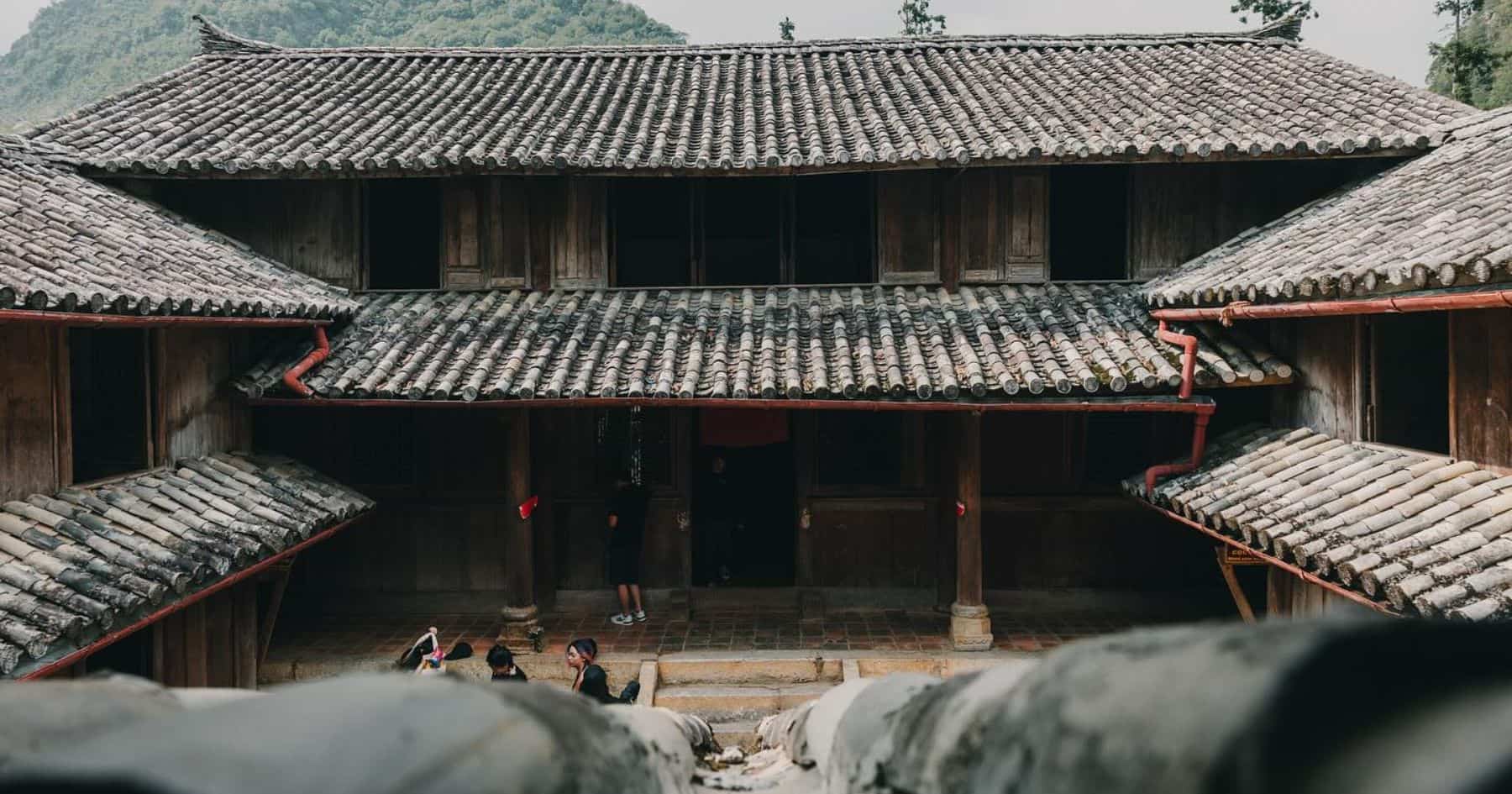
The H’mong King’s Palace is the most well-known historical site in Ha Giang, located in the Sa Phin valley. The palace is a remarkable architectural landmark, featuring many intricate design details that have been carefully preserved for more than a century. When visiting the complex, you can take your time to admire the structure and learn about the fascinating stories connected to the H’mong royal family, offering a deeper look into the past life of the local community.
Lung Cu Flag Point
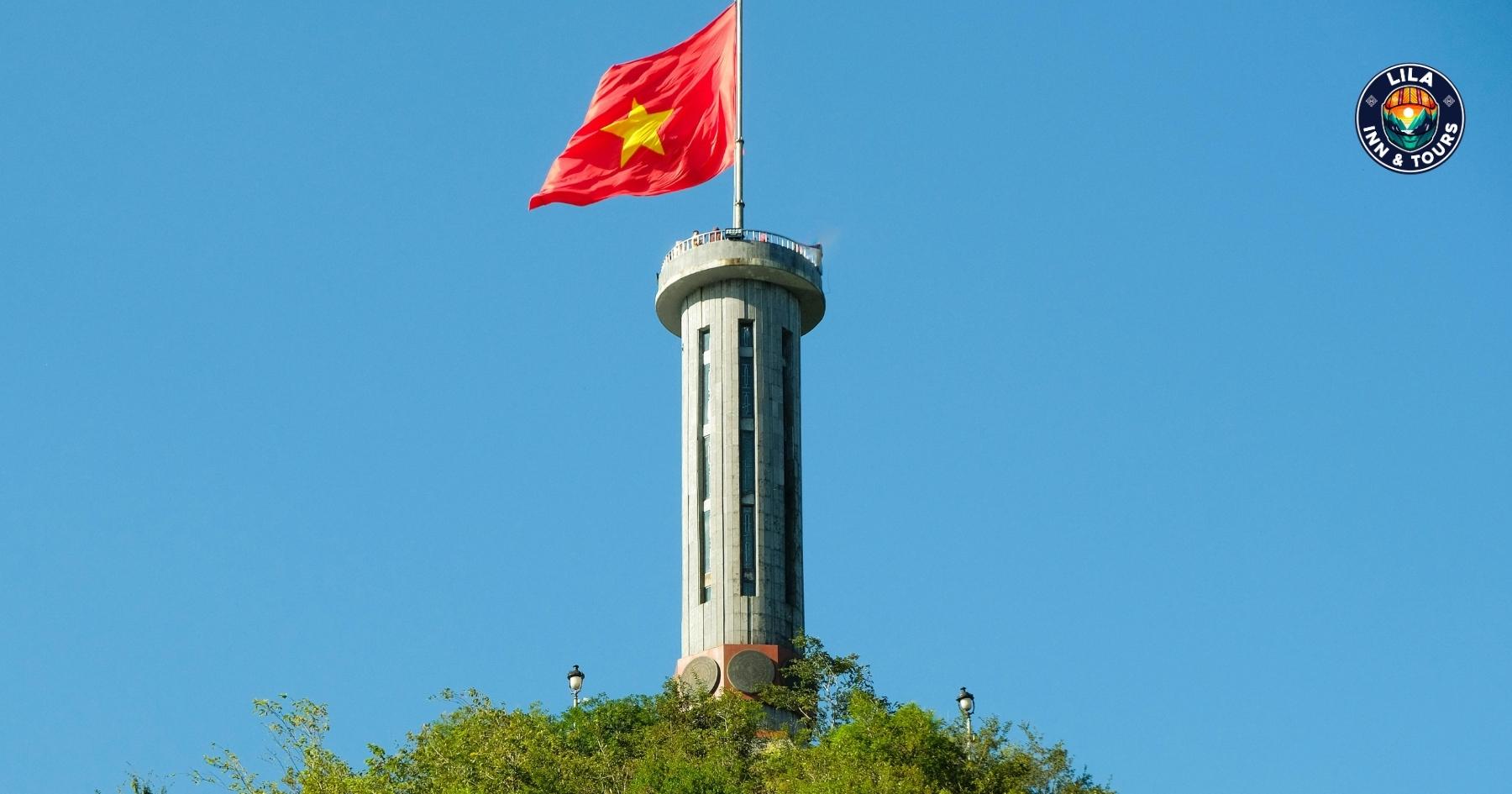
Lung Cu Flag Tower is the northernmost point of Vietnam and a powerful symbol of national sovereignty located in Ha Giang. It is an octagonal tower rising 33.15 meters high, topped with a 54m2 flag representing Vietnam’s 54 ethnic groups. Around the base, eight carved stone panels inspired by the patterns of Dong Son drums, reflecting Ha Giang’s local culture. After climbing the steps to the top, you will be rewarded with sweeping views of mountains, valleys, and small villages stretching to the horizon.
Dong Van Old Quarter
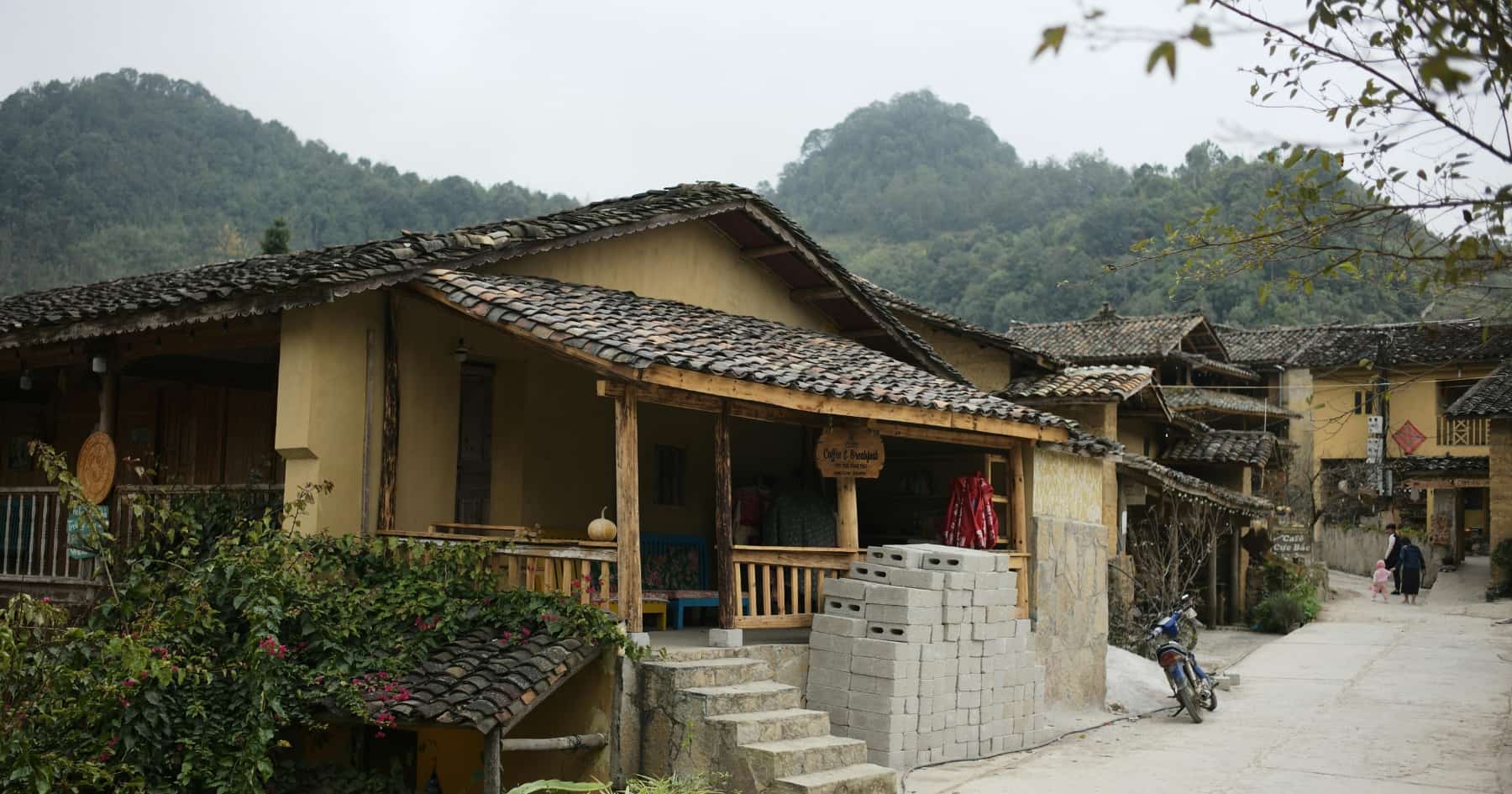
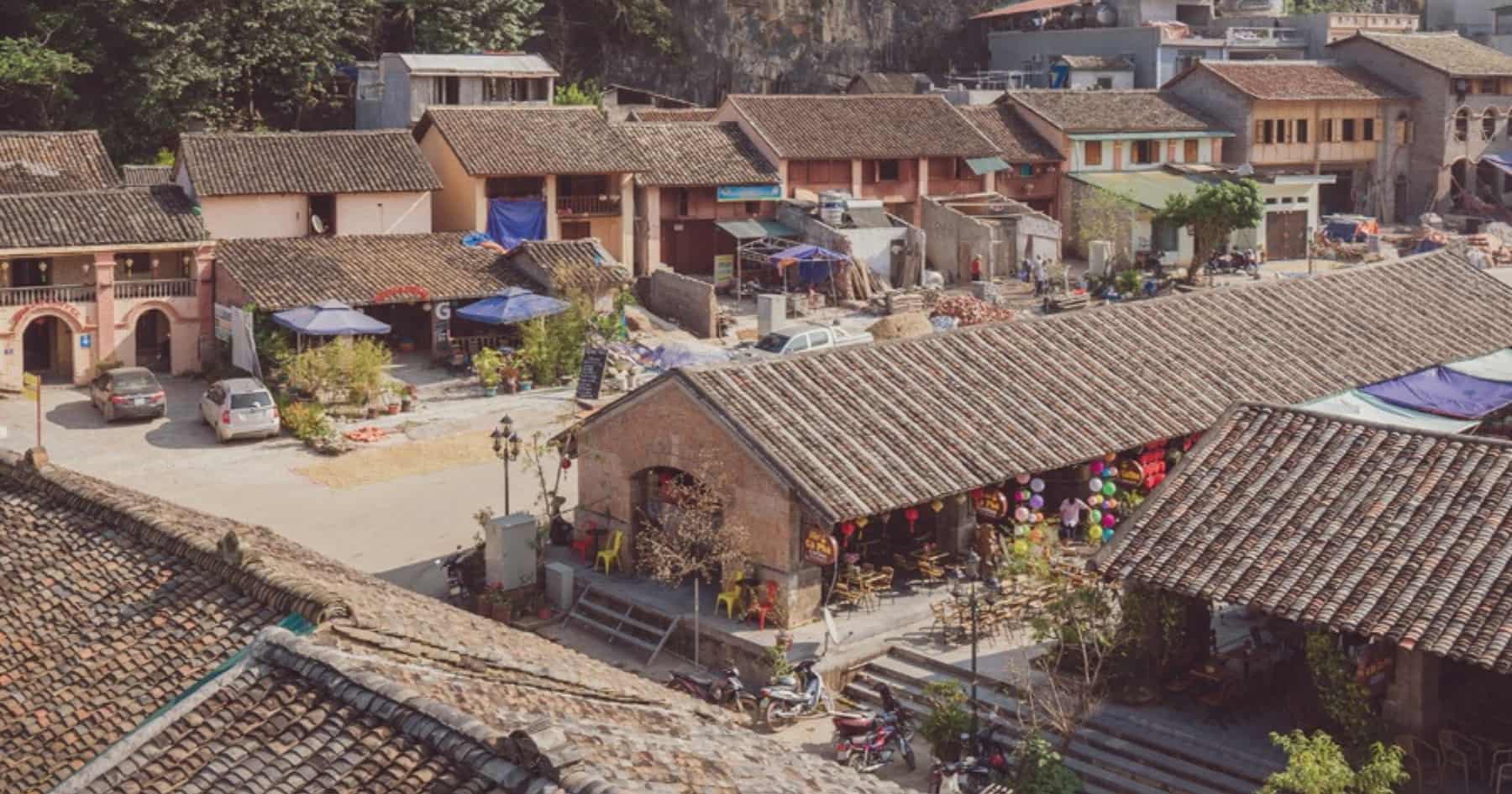
Dong Van Old Quarter is a small historic street formed in the early 20th century, located in the center of Dong Van town. The area is known for its traditional houses made of clay and stone, many of which are over a hundred years old.
Today, most of these old houses have been carefully restored and turned into cafés, souvenir shops, and cozy homestays. This gives the area a unique mix of old and new, both charming and lively, making it a popular spot for travelers to explore, relax, and connect with local life.
Ma Pi Leng Pass
Ma Pi Leng Pass is one of the most iconic routes of the Ha Giang Loop. The pass has dramatic terrain, spanning 20 kilometers of road full of steep slopes, sharp curves, and sheer cliffs. That’s why it is named “Ma Pi Leng,” meaning “horse’s nose bridge” in the local language, describing exactly how steep and sharp the shape of the mountains is. From the top, you’ll get stunning views of limestone mountains and the peaceful Nho Que River far below.
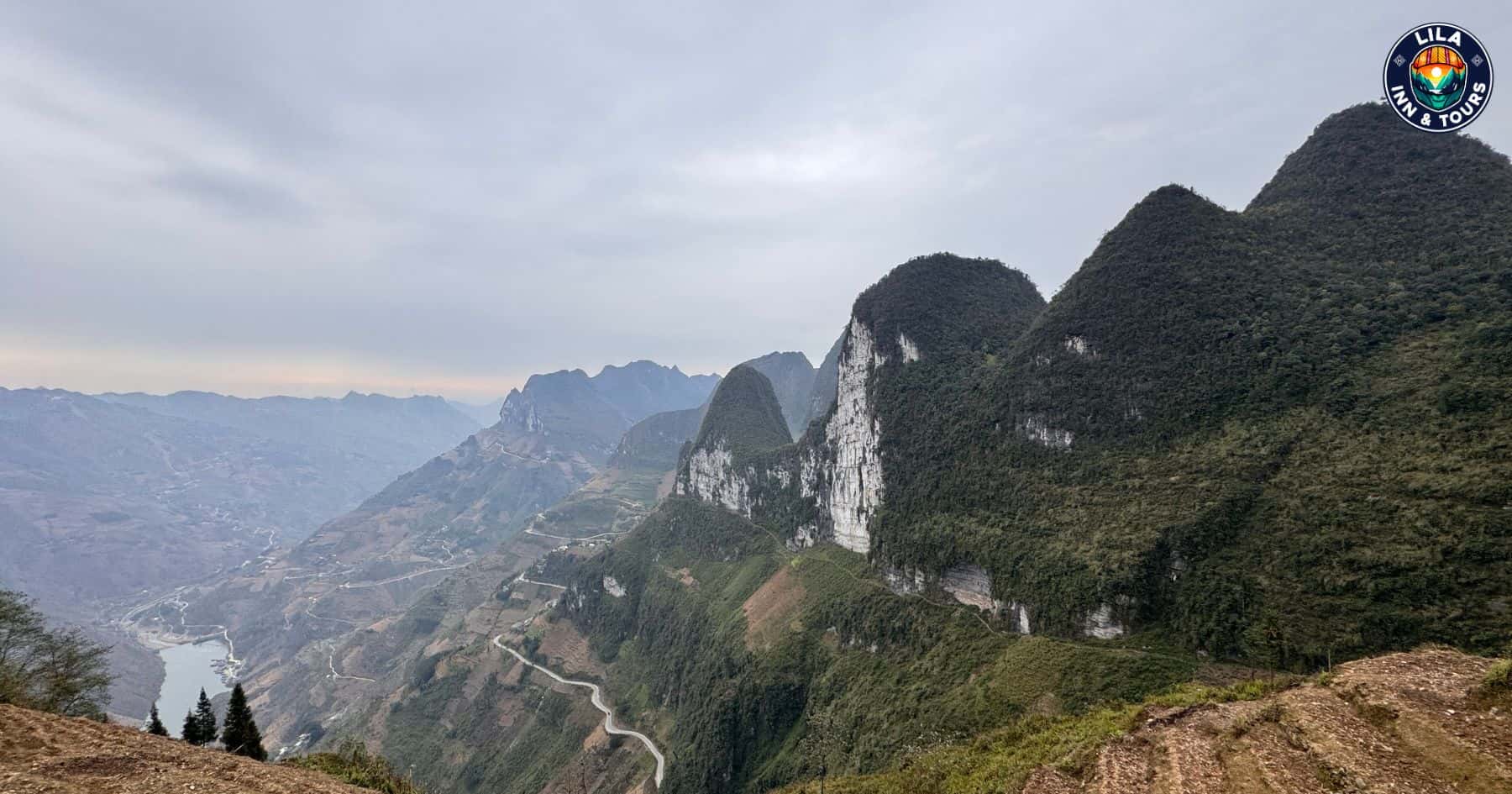

Explore the Ma Pi Leng Pass map to see the full route and viewpoints.
Death Cliff Ha Giang
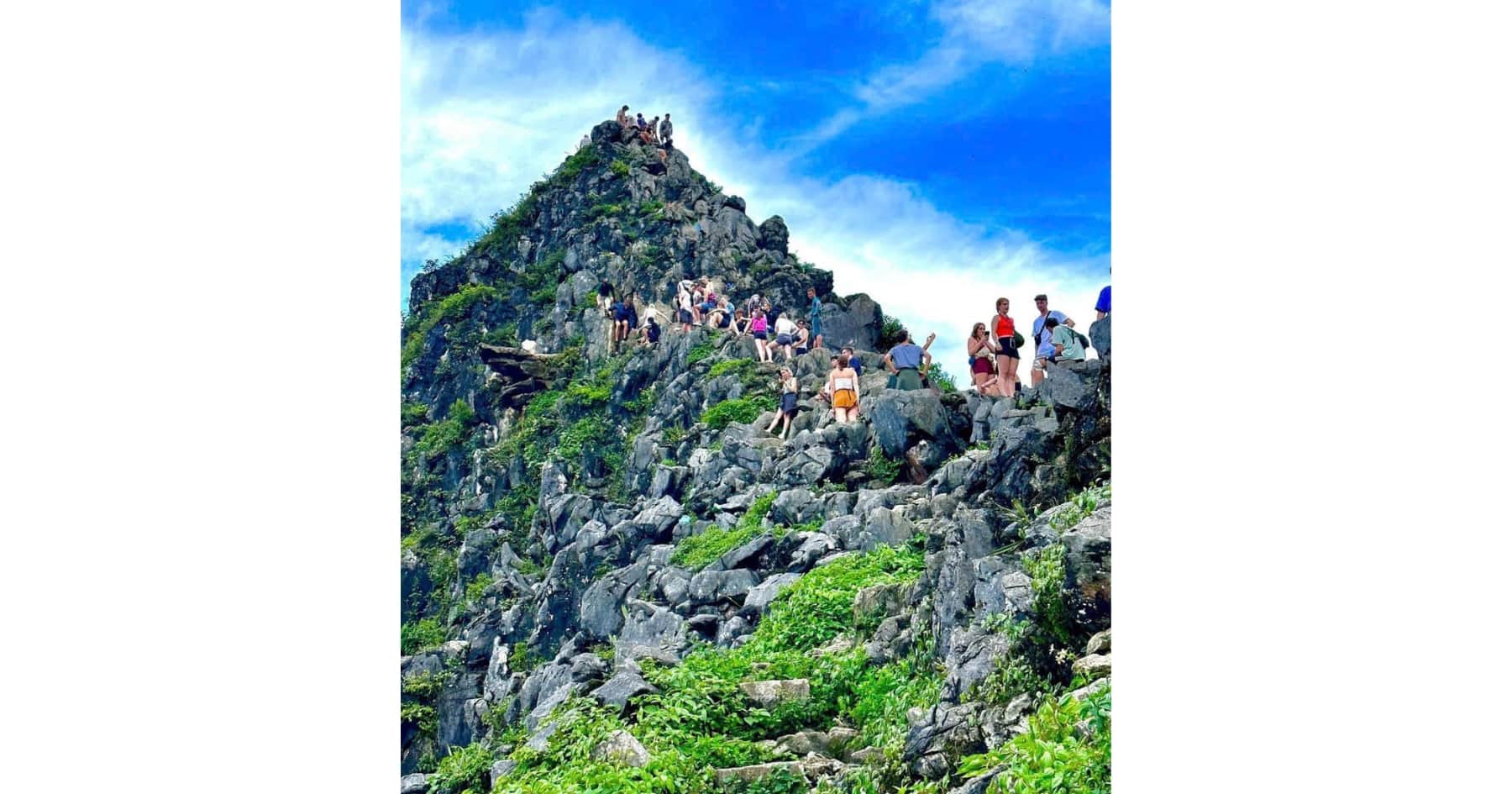
About 5 km away on Ma Pi Leng Pass, Death Cliff Ha Giang is known for its dramatic viewpoint overlooking the deep limestone valleys below. From here, you can clearly see the Nho Que River winding through the mountains. The path to the cliff can be quite risky, so you should move carefully.
Nho Que River & Tu San Canyon
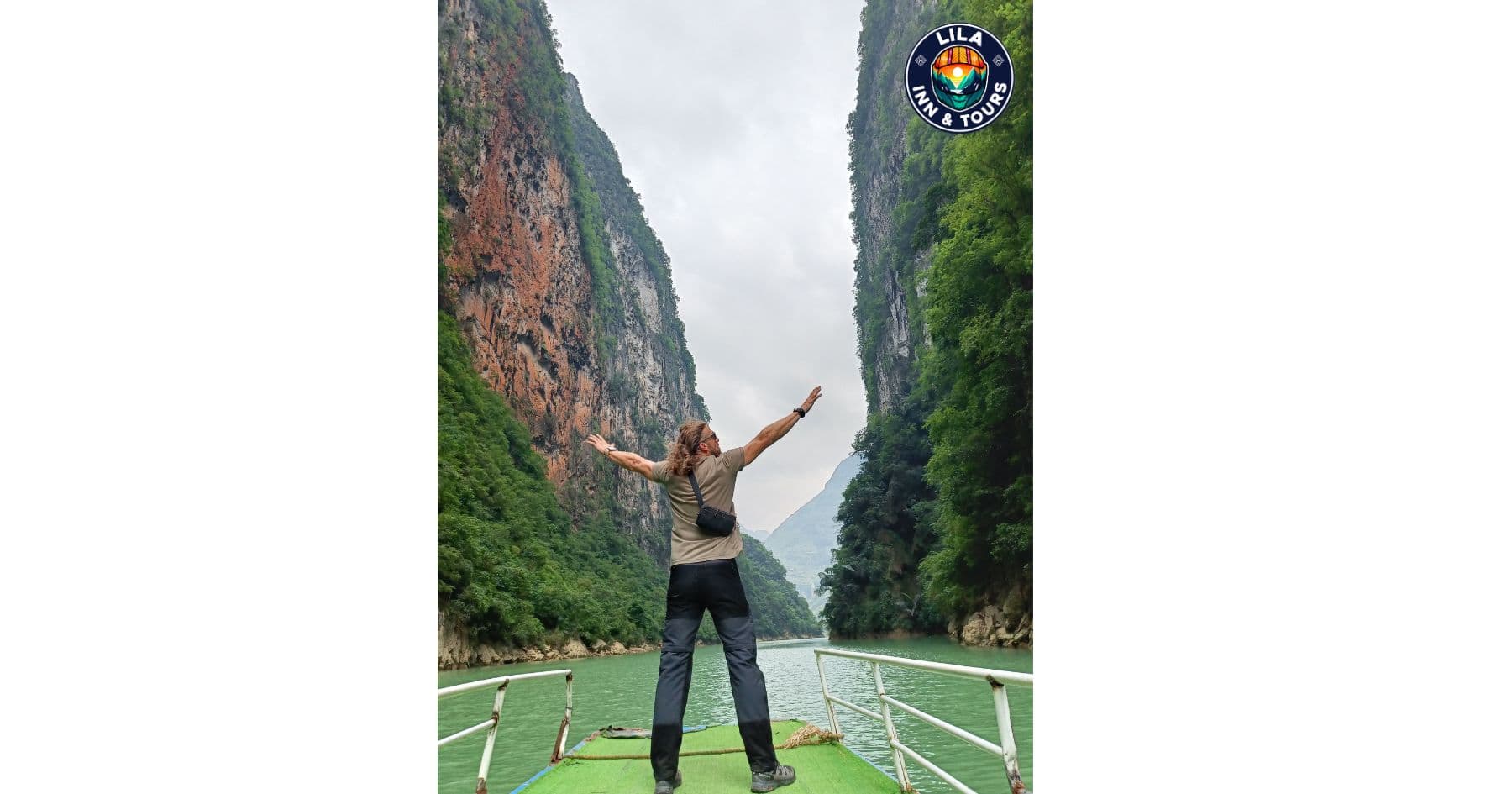
Right below Ma Pi Leng Pass lies the emerald Nho Que River and the impressive Tu San Canyon, the deepest canyon in Southeast Asia. This is one of the most famous highlights of Ha Giang, combining both dramatic and poetic scenery. You can take a Nho Que boat ride with local guides along the river toward the canyon, a relaxing experience that usually costs around 100,000–150,000 VND per person.
Lung Ho Valley
Lung Ho Valley is a quiet, lesser-known stop along the Ha Giang Loop, offering a peaceful, open landscape that feels calm and untouched. Beyond its scenery, Lung Ho is also known for its historical significance, with traces of past resistance bases and wartime activities in the area. Today, it remains a place where nature and history come together, giving visitors not only beautiful views but also a deeper sense of the region’s past.
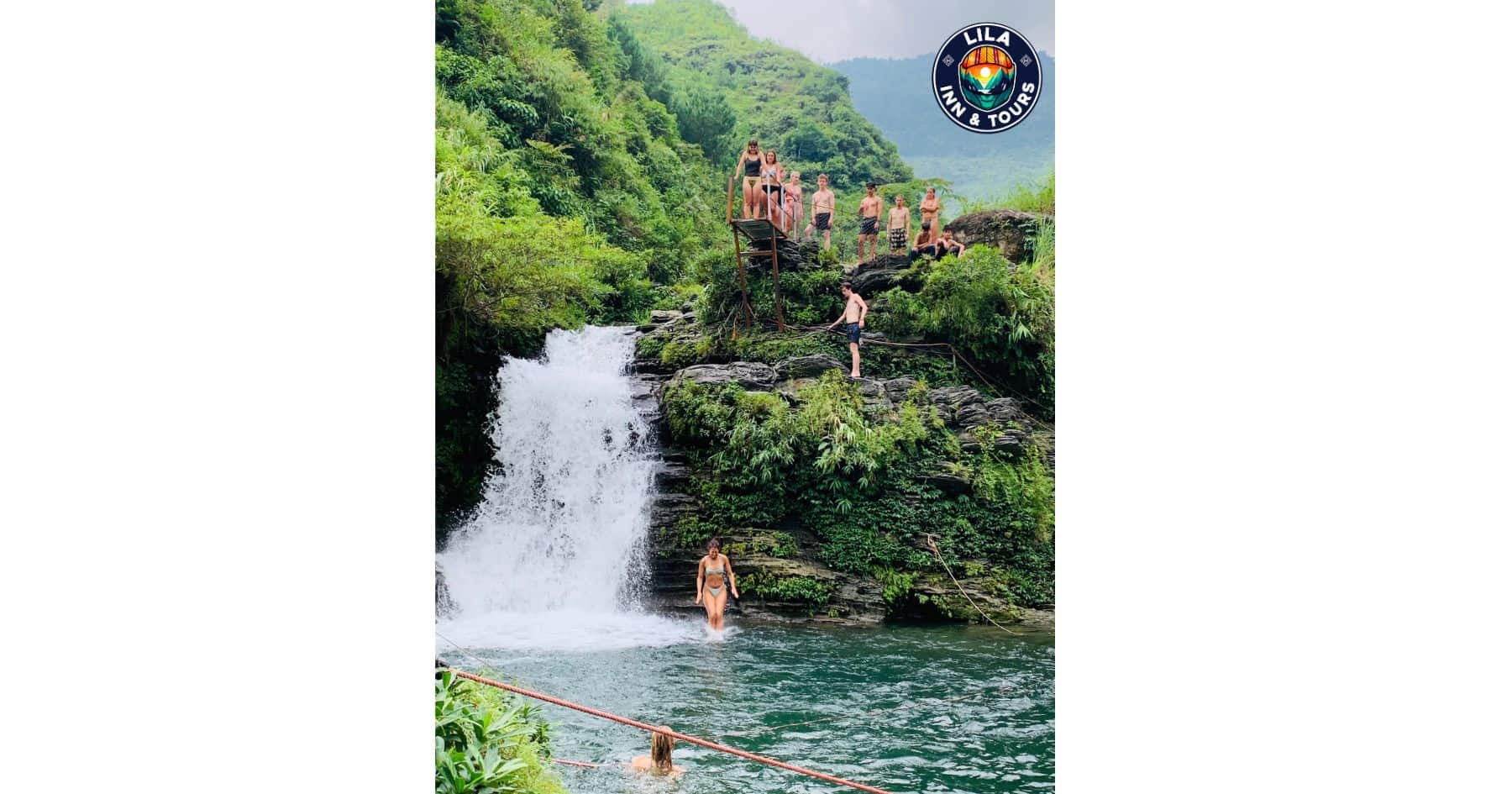
Du Gia Waterfall
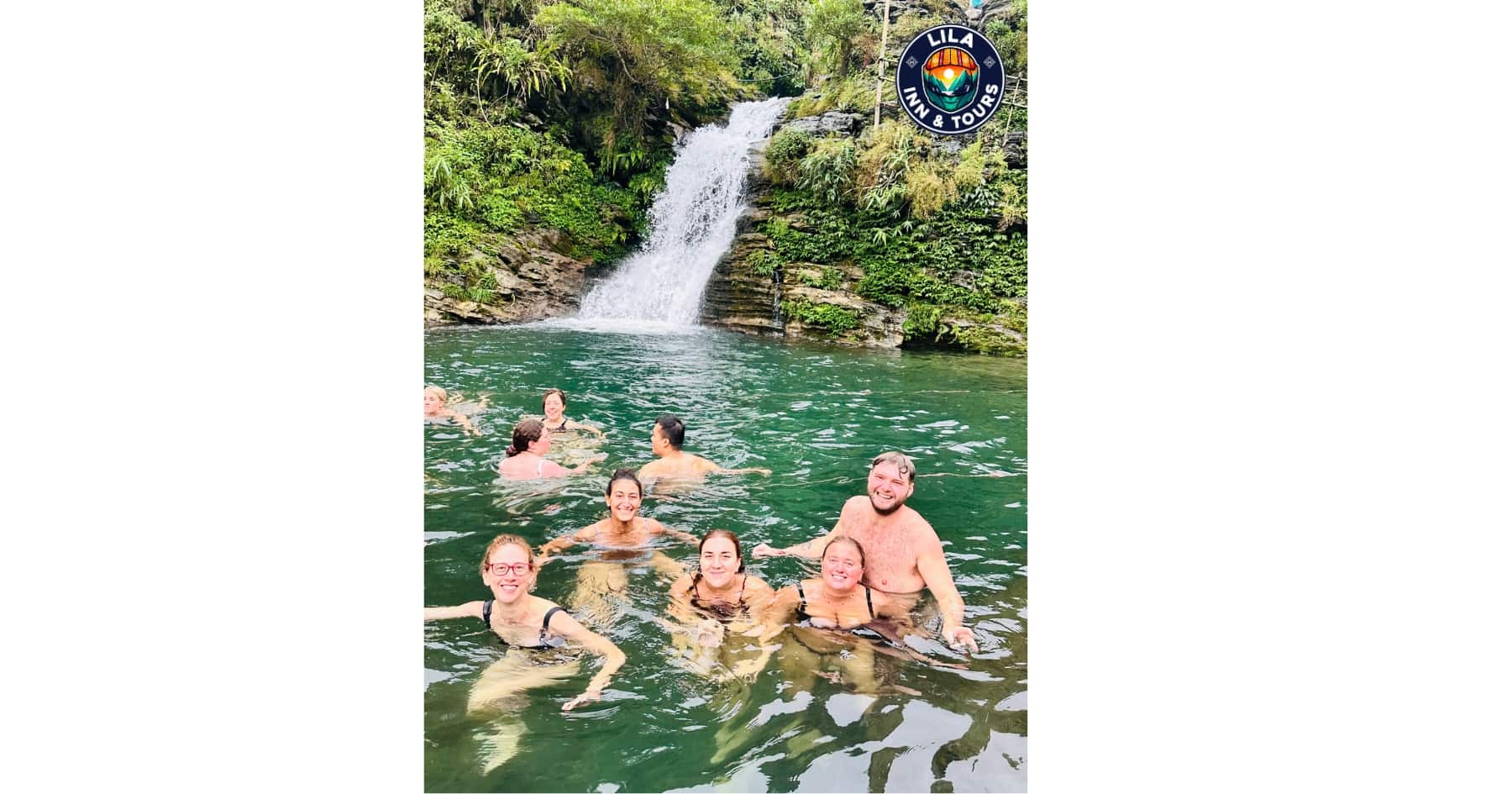
Du Gia Waterfall is a quiet natural spot tucked away in the mountains of Du Gia Commune. It’s renowned for its crystal-clear water, lush surroundings, and serene atmosphere, making it a refreshing stop on the Ha Giang Loop. The waterfall features small emerald pools where visitors often take a swim or simply sit by the water and relax. Unlike more crowded attractions, Du Gia feels laid-back and local, giving you a chance to enjoy nature up close.
What to note when exploring the Dong Van Karst Plateau Geopark?

To make your trip to Dong Van Karst Plateau Geopark safer, smoother, and more enjoyable, Lila has gathered a few practical tips based on our 8 years of experience guiding tours on the Ha Giang Loop:
- Choose the right time: The best time to visit is from September to April, when the weather is pleasant, and the scenery is at its best. At the same time, always check the weather forecast before your trip so you can be well prepared in case of rain.
- Pack smart: Bring only the essentials to keep your bag manageable. Layered clothing works best, as temperatures in the mountains can change quickly throughout the day.
- Always wear protective gear: A proper helmet, long sleeves, and sturdy shoes help protect you from the sun, wind, and unexpected road conditions.
- Carry enough cash: ATMs are very limited in rural areas, and many small shops or eateries do not accept cards. That’s why cash is especially useful when visiting the Dong Van Karst Plateau.
- Check market days in advance: Each market in the plateau runs on a different schedule. It’s a good idea to check ahead or ask your guide so you don’t miss out on the experience.
- Respect nature: Help keep the landscape clean by not littering, especially when camping.
- Respect local culture: Be polite when interacting with locals, and always ask for permission before taking photos of people.
Explore Dong Van Karst Plateau Geopark with Lila Inn & Tours
The Dong Van Karst Plateau Geopark has become one of the most well-known destinations in Vietnam. Beyond its remarkable geology and landscapes, it also preserves rich traditional cultural values, making it a dream destination for travelers around the world.
As a trusted local tour company with over 8 years of experience guiding Ha Giang tours, Lila Inn & Tour is here to offer worry-free Ha Giang Loop Easy Rider tours, which take you to the Dong Van Karst Plateau Geopark with everything prepared for you.
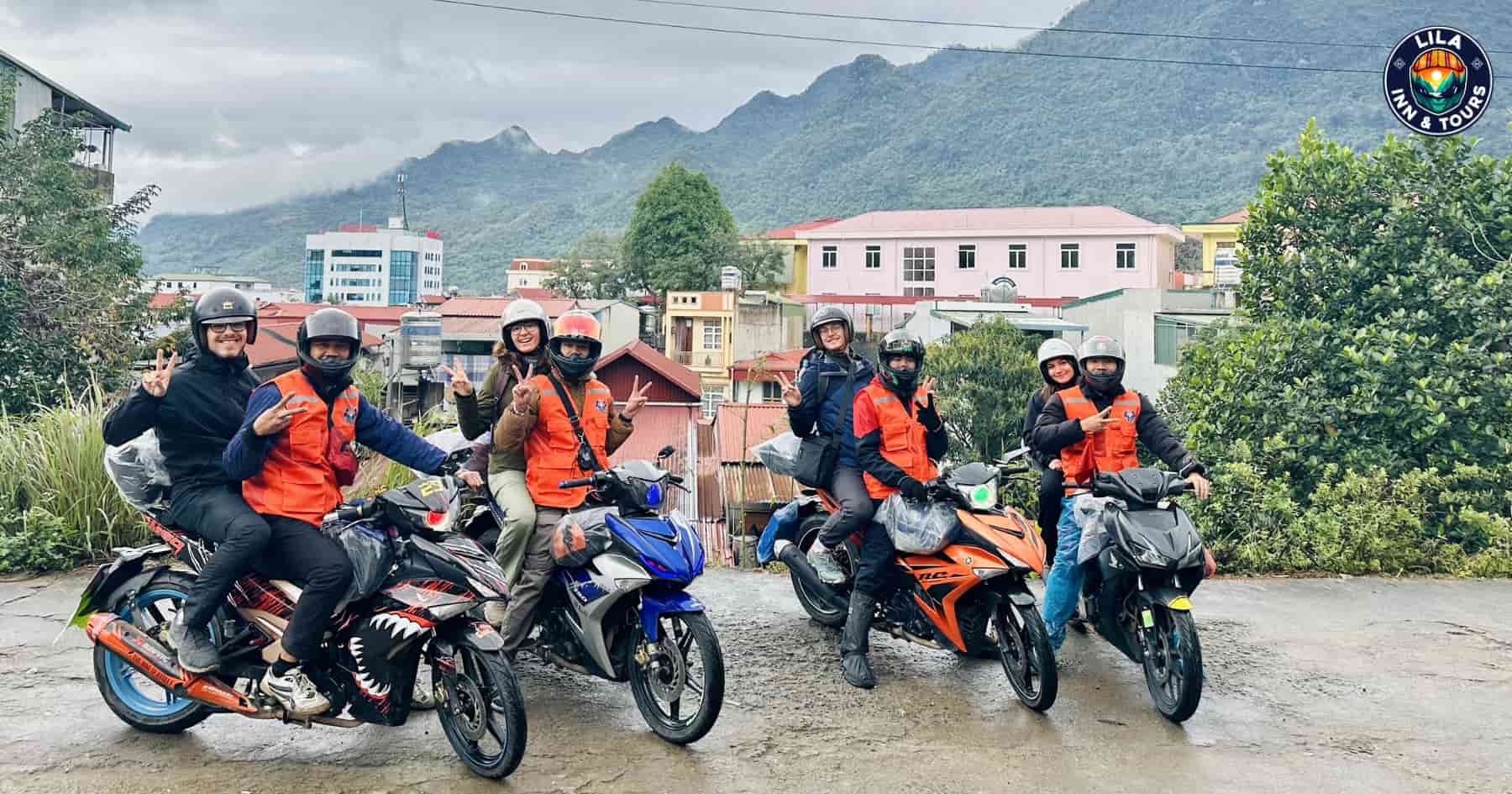
We focus on three key priorities to keep your journey safe and enjoyable:
- Safety first with Easy Riders who have over 5 years of riding experience, are professionally trained, and strictly follow safety rules: no overtaking on bends, no riding side-by-side, and never exceeding speed limits.
- Small group tours with fewer than 10 travelers, allowing us to better care for each guest’s experience while ensuring the privacy and personal space you deserve.
- Off-the-beaten-path adventures that take you to lesser-known places most tourists never reach.
If you’re planning your Ha Giang Loop adventure, check out our Ha Giang Loop tour 4 days, which is designed with the most optimized route to experience the very best of the region. Our experienced local Easy Riders will guide you on an exciting and truly unforgettable journey through Ha Giang’s breathtaking landscapes.
Conclusion
Whether you’re into nature, curious about local culture, or just looking for something a bit off the usual path, Dong Van Karst Plateau Geopark has everything for you. It’s a place where stunning landscapes and everyday life come together, creating a journey that stays with you long after you leave.
Feel free to contact Lila for more tour information.
Get your Free Ha Giang Loop Guide Plan your dream trip with our Free guide, including suggested itineraries, top attractions, safety tips, and local insights from Lila Inn & Tours
Frequently Asked Questions – FAQs
- Where is the Dong Van Karst Plateau Geopark
Dong Van Karst Plateau Geopark is located in the northernmost province of Vietnam, Ha Giang. It encompasses four districts: Dong Van, Meo Vac, Yen Minh, and Quan Ba.
- When is the best time to visit Dong Van Old Karst Plateau Geopark?
The best time to visit is from September to April, when the weather is pleasant, and the scenery changes beautifully with the seasons: from golden rice fields to blooming flowers. This period is also drier, making it easier to explore the area.
- Should I ride by myself or go with an easy rider?
Going with an easy rider is a safer and more relaxing option, especially if you want to enjoy the scenery without worrying about the road. Otherwise, if you’re confident riding in mountainous areas, doing it yourself can be a great adventure.
- Is it safe to travel during the rainy season?
It’s still possible, but you’ll need to be more careful. Roads can be slippery, and sudden rain may affect visibility. Always check the weather and plan.